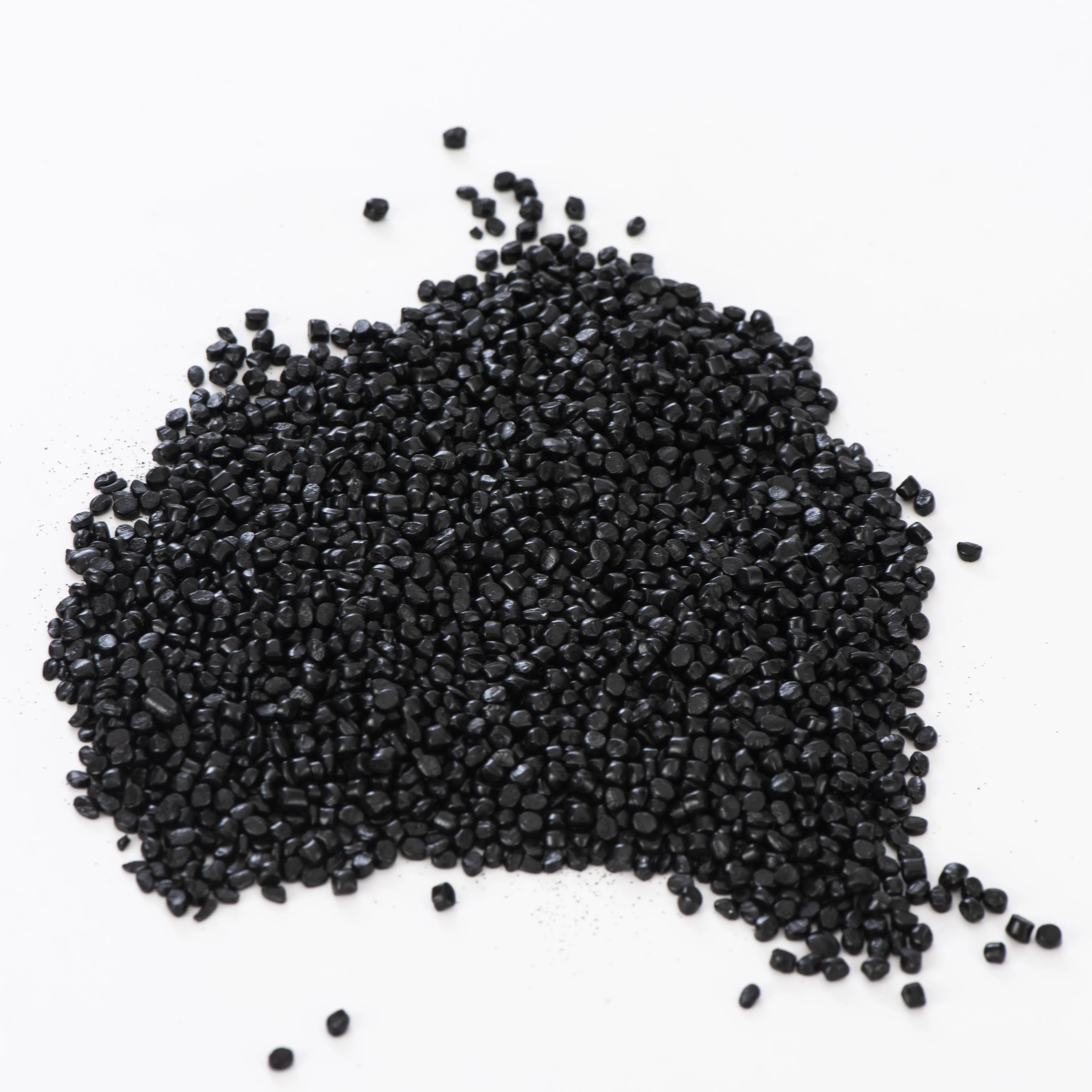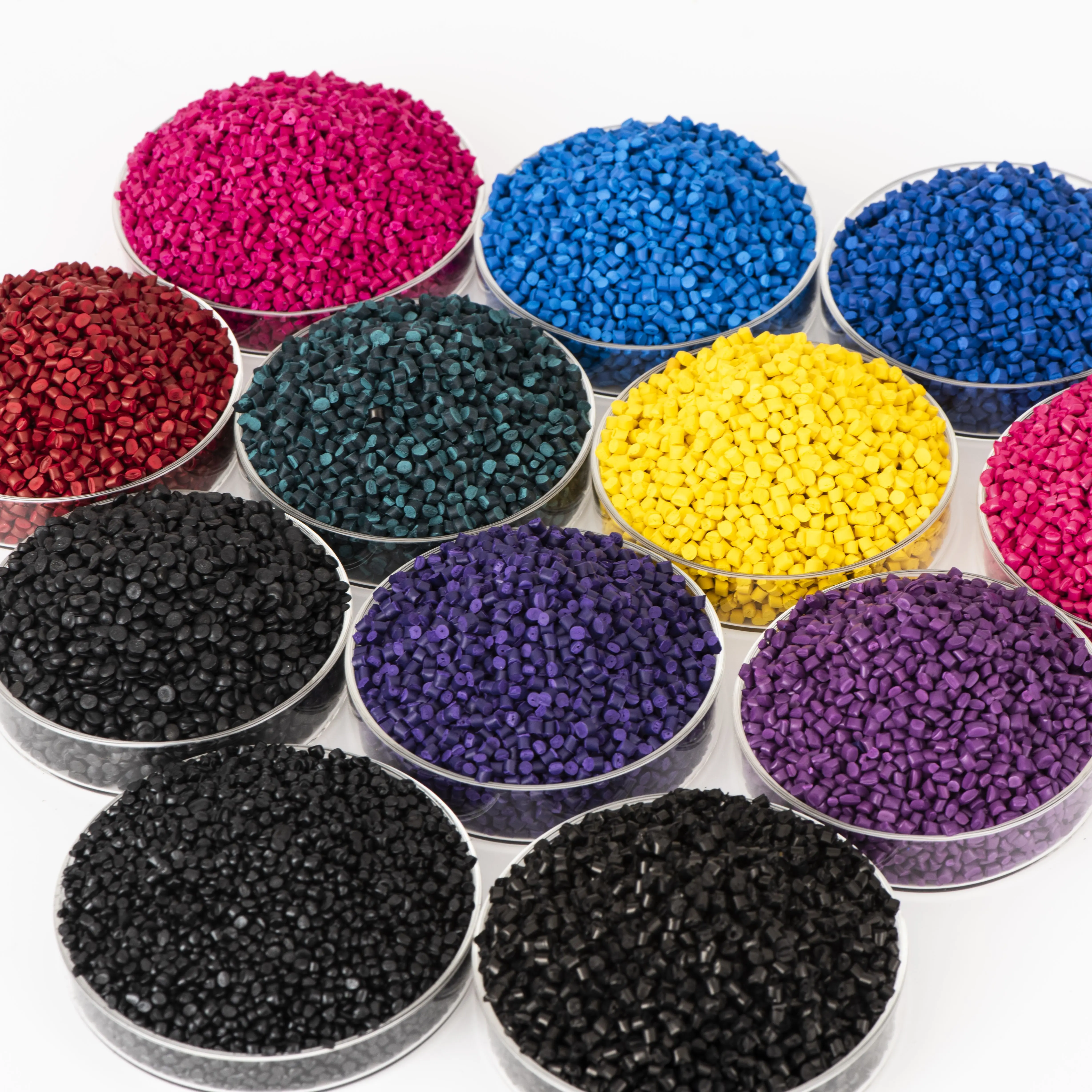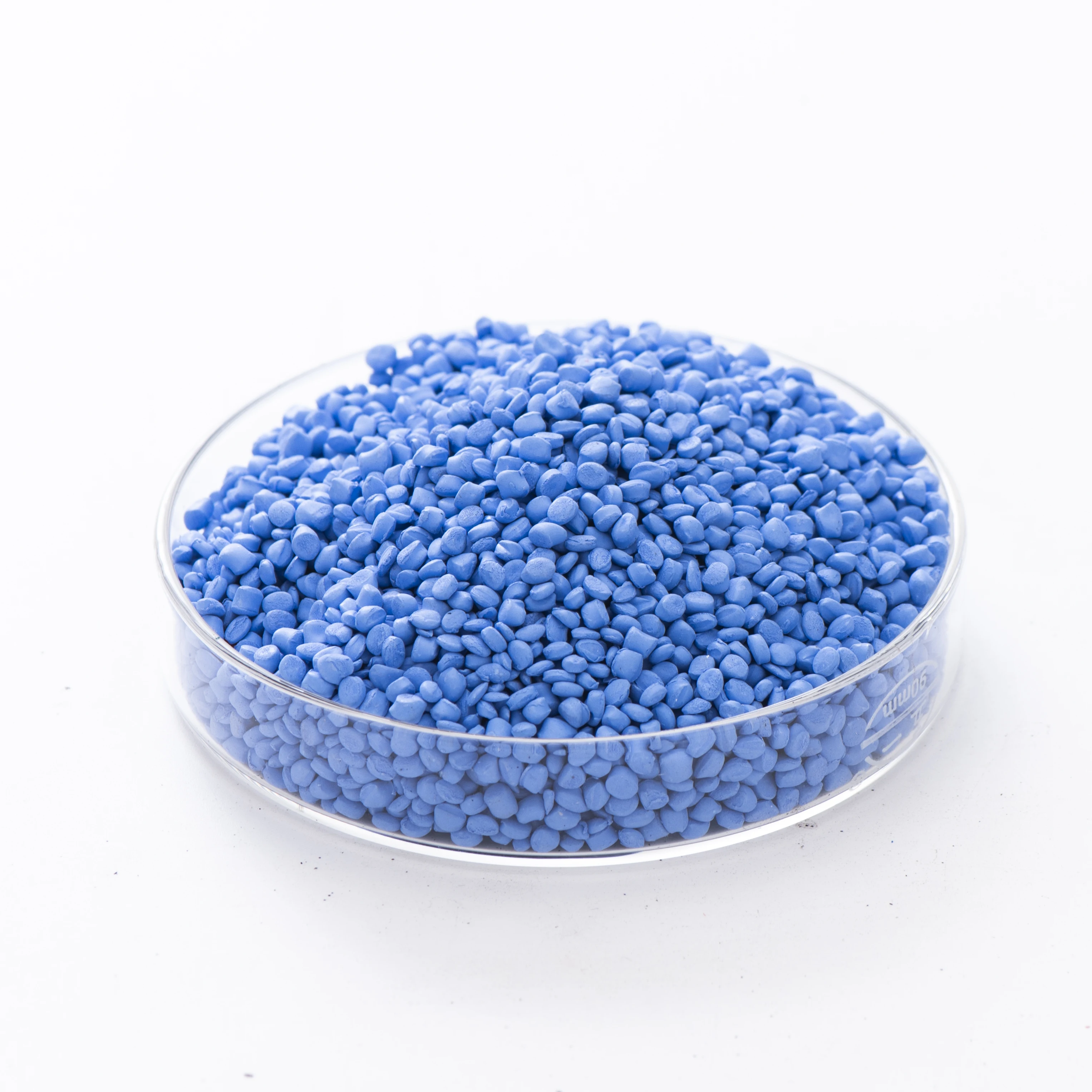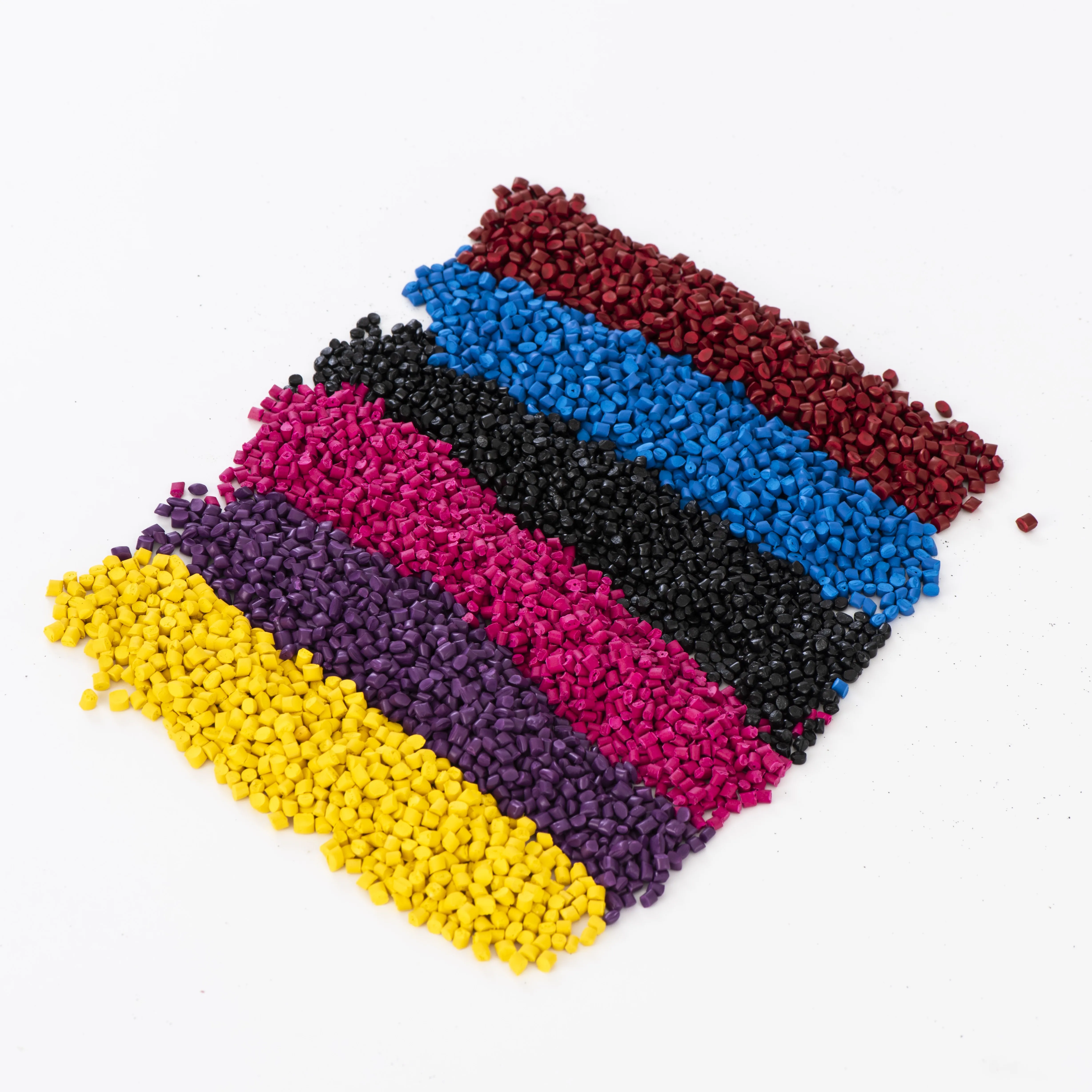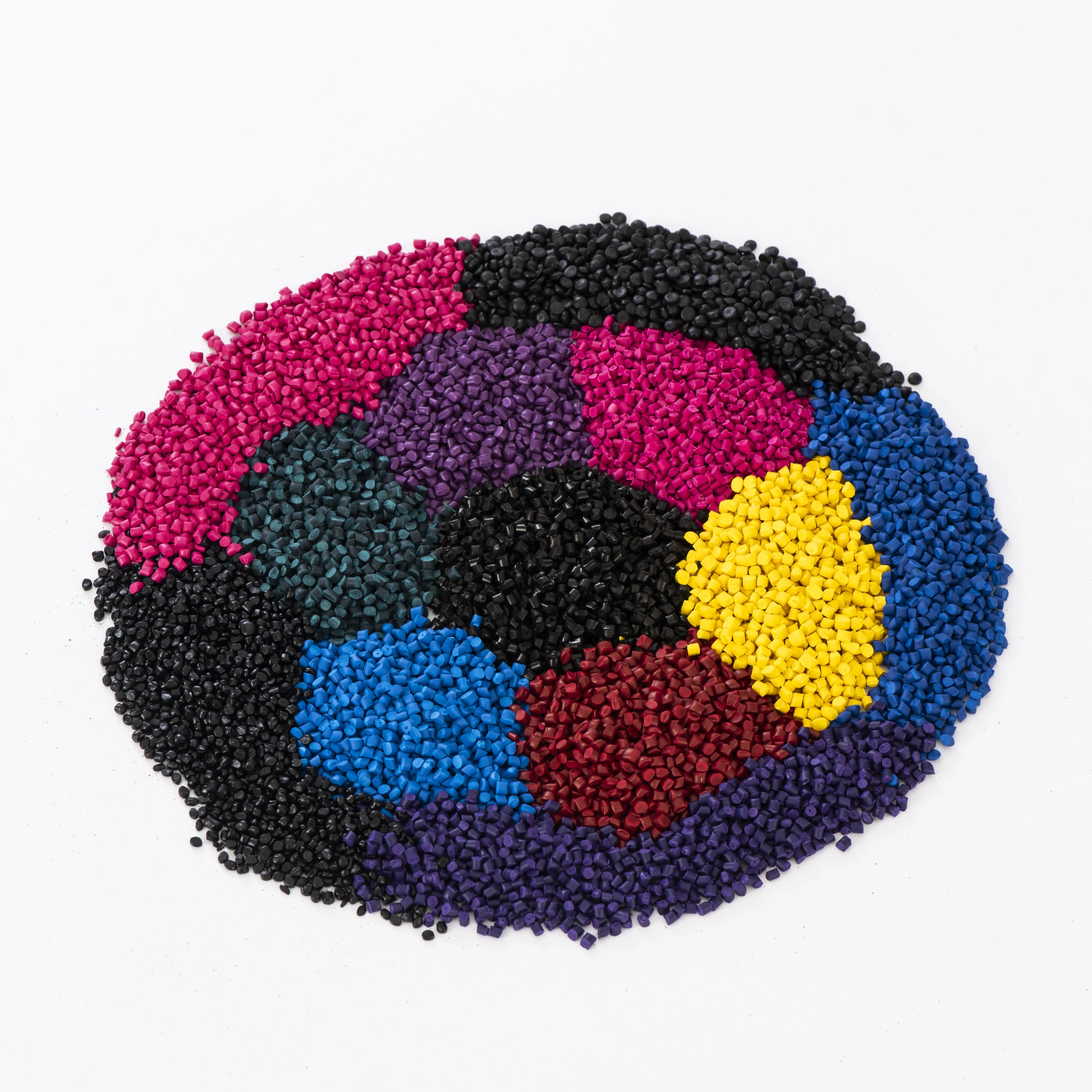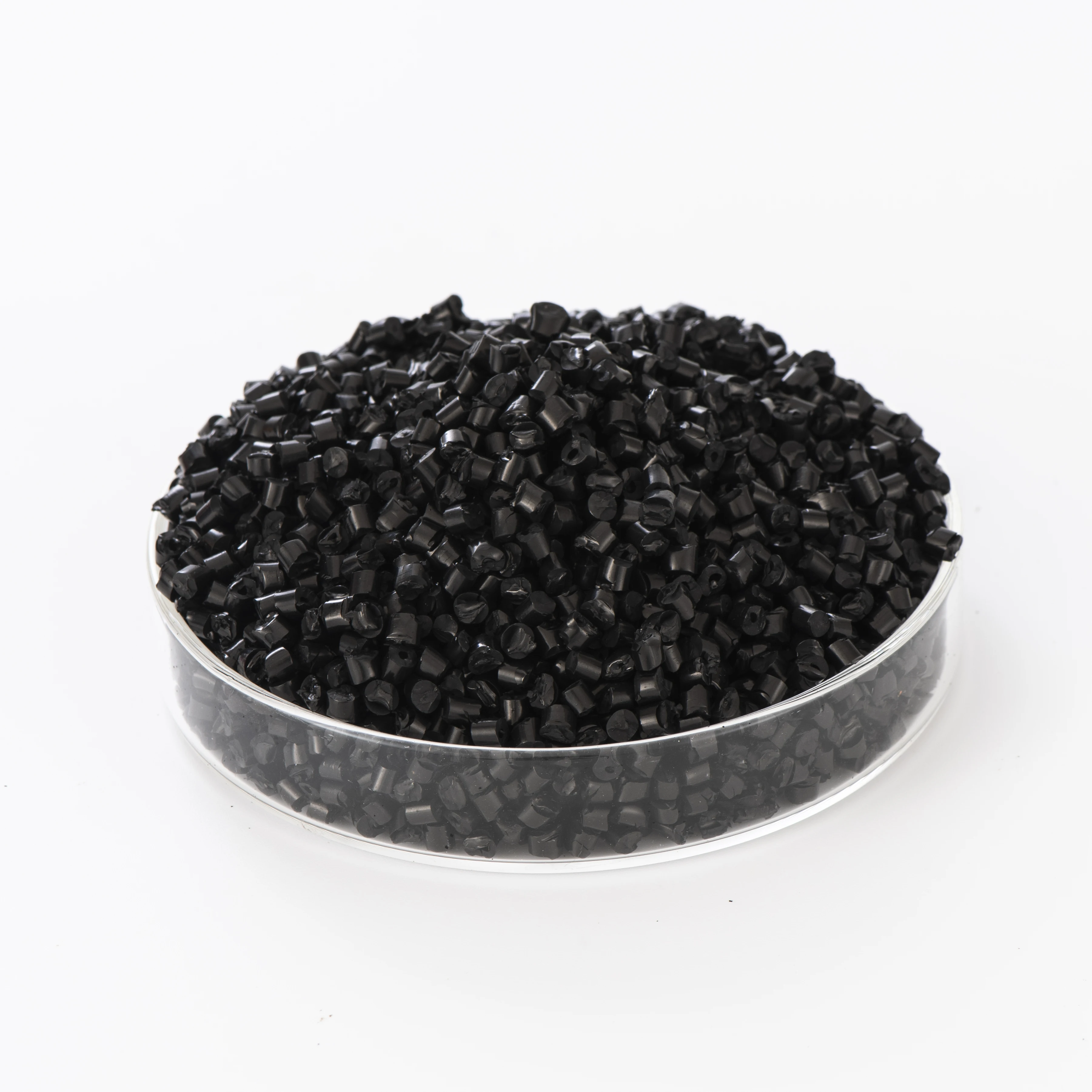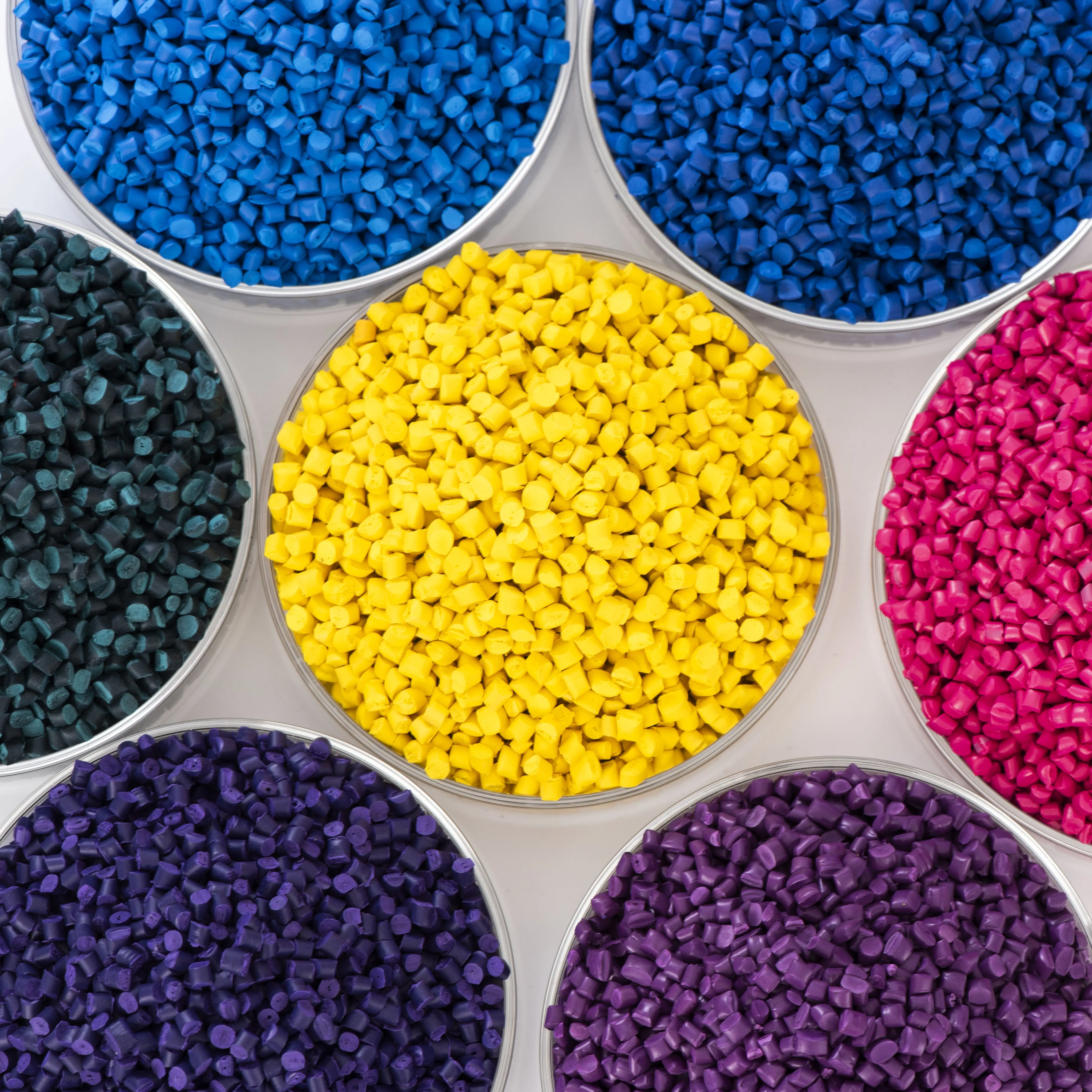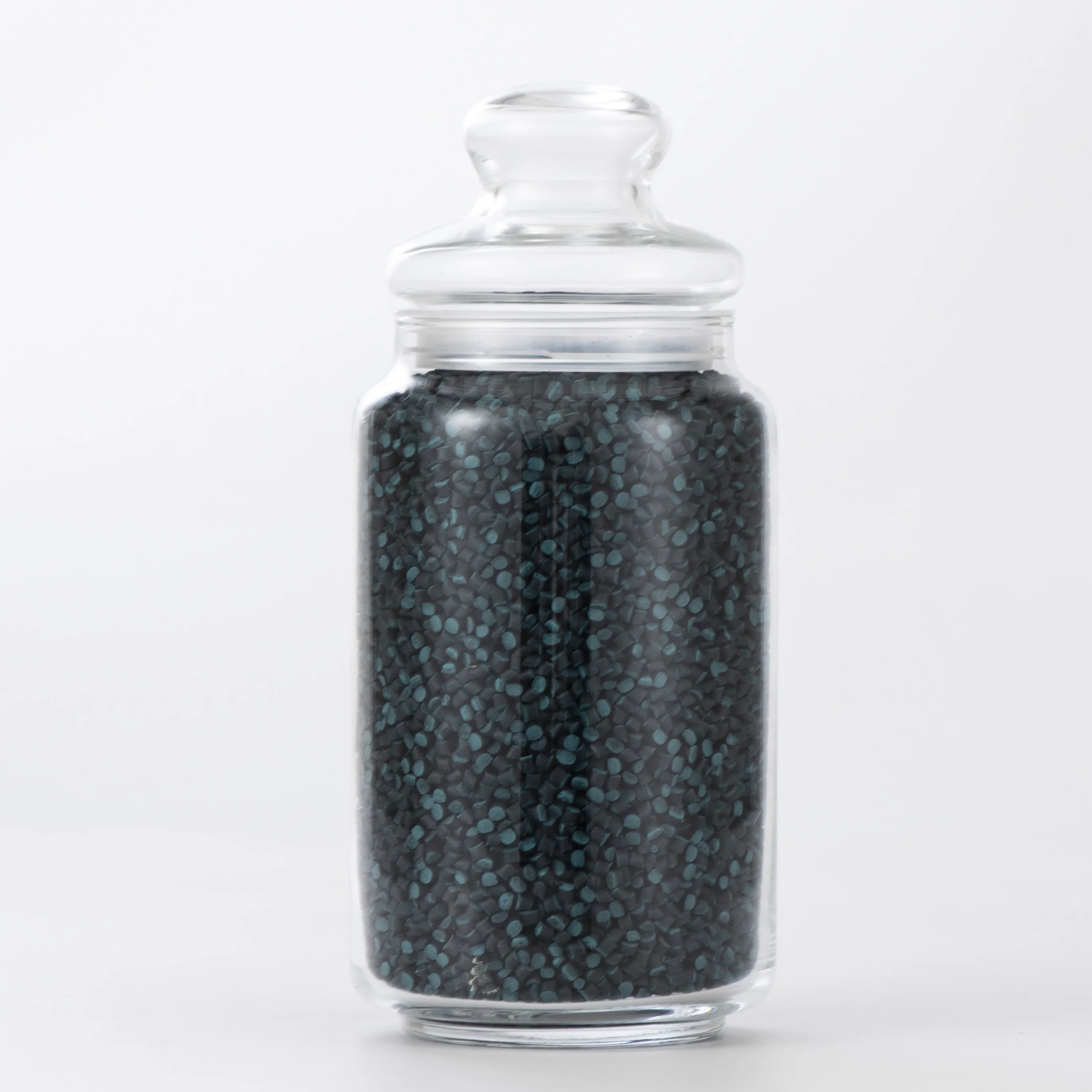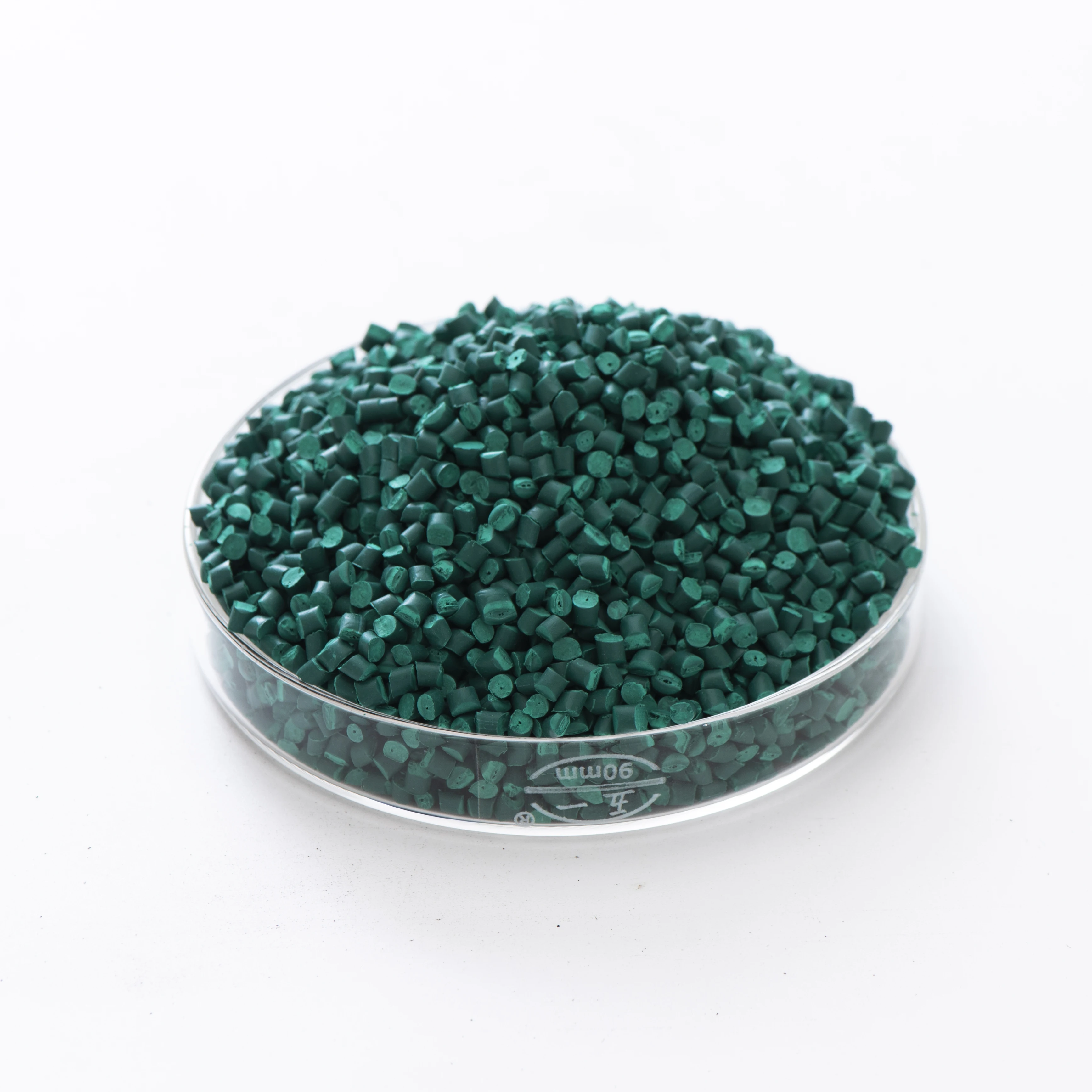
HDPE raw, or high-density polyethylene, is a unique type of oil based plastic known as petroleum. However, this plastic is extremely tough and durable so it can be used for a long duration for a number of purposes. Raw HDPE has a lustrous thickness, water-resistance and many chemicals. Because of this toughness, it can be an ideal material for a wide range of products. Another reason for HDPE's popularity in manufacturing is that it is easy to shape and mold into various forms.
There are some drawbacks to raw HDPE, however, that are worth noting. Its major problem is it doesn't protect from sunlight (UV radiation), very well. For example, Blind manufactures outdoor furniture from post-consumer recycled materials that avoid using raw HDPE; as the temperature fluctuates when HDPE is left outside in hot and cold climates, items made from raw HDPE may not fare as well as other plastics that are made for these environments.
The resin is then typically forced through a machine that forms it into tubes or sheets. The sheets and tubes can then be molded or cut into various products. Several parameters can influence the quality of the raw HDPE products resulting from this process. The purity of the starting underpinning, for instance, is very important. Impurities in the starting material can be carried through to the end result.
Furthermore, the exposure to different temperatures and pressures during the shaping phase can also affect product quality. That is why manufacturers are so meticulous in these processes, so they might make the best item they can possibly make. They also might include special ingredients in the resin to help improve certain qualities, say, making it more resistant to sunlight.
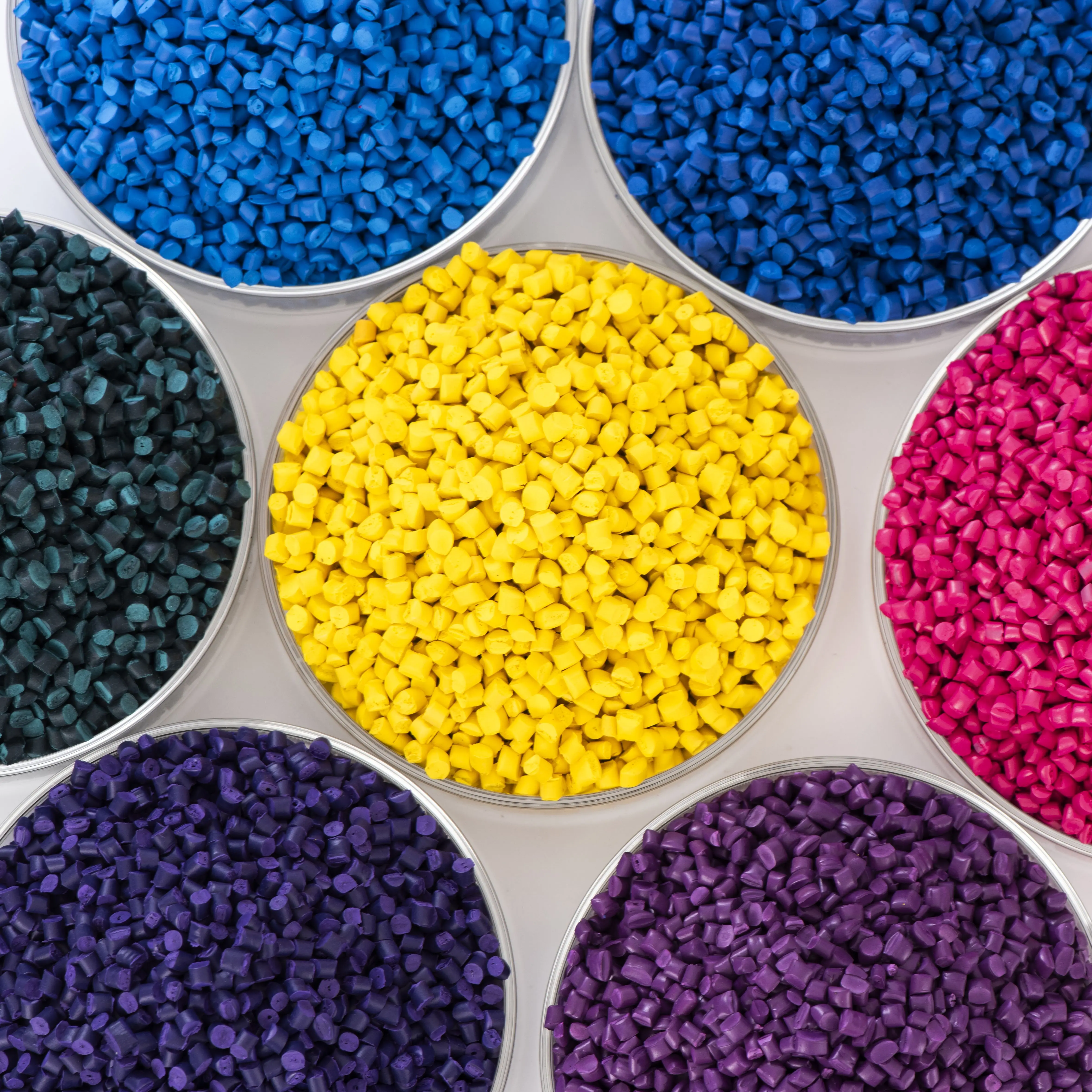
HDPE definitely has the highest tensile strength of any of these plastics and that makes it different compared to all of the other ones. HDPE raw material is more resistant to chemical and moisture than many other types of plastic, which makes it a reliable choice for many applications. But it does have its disadvantages. It is not as easy to print with as other plastics, for instance. This can be an added drawback for businesses looking to design beautiful packaging or labels.
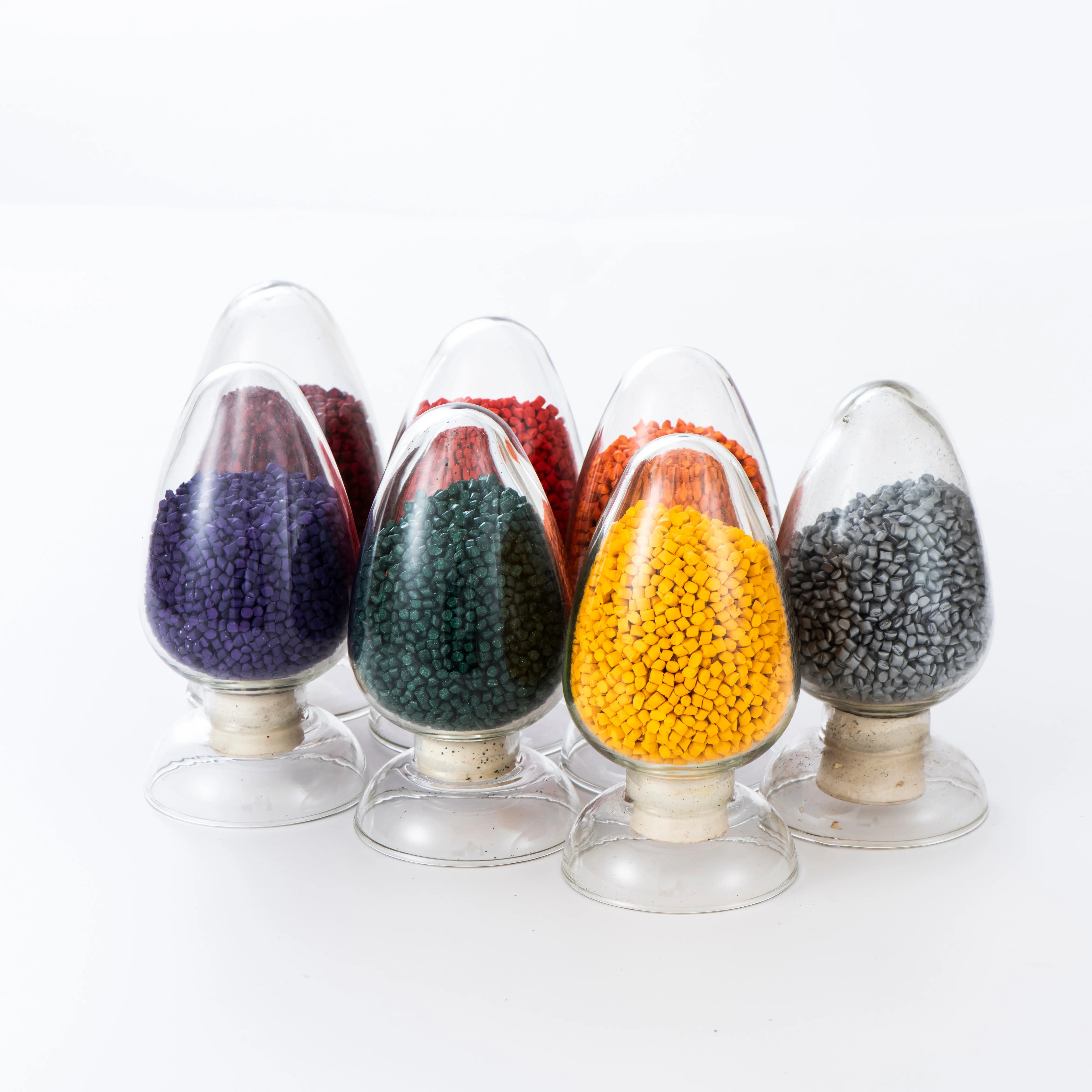
HDPE raw material is used really versatile, you can find many different industries using it and in many different kind of products. In the packaging industry, it is widely utilized in the manufacture of food and other goods containers and sacks. Raw HDPE ends up being made into bottles, snack food packaging and other common products. Other than packaging, raw HDPE is also used to produce pipes and fittings in the plumbing sector. This is because it is able to withstand water pressure and many of the chemicals that can be found in household products.
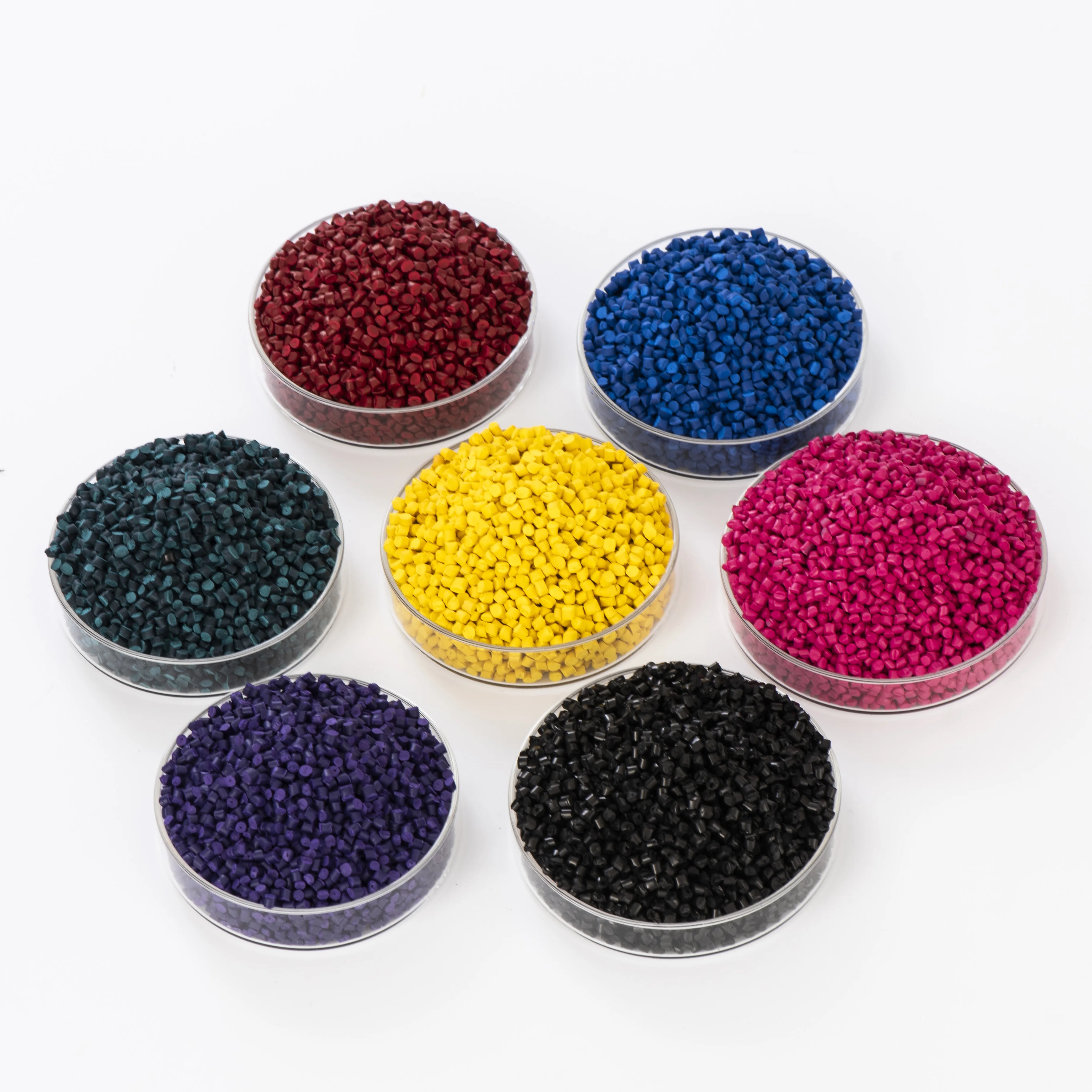
Raw HDPE is also the building block for things like toys and other consumer goods you may find at your local shop. A Special Character of HDPE — It Can Be Recycled This is especially important, because it means that when products manufactured from raw HDPE are no longer necessary, they can be processed and recreated into new products, as opposed to ending up in our landfills. This allows many products to be as environmentally sound as possible when made from virgin HDPE.
Copyright © Yuezheng Plastic Color Masterbatch (Dongguan) Co., Ltd. All Rights Reserved
 EN
EN