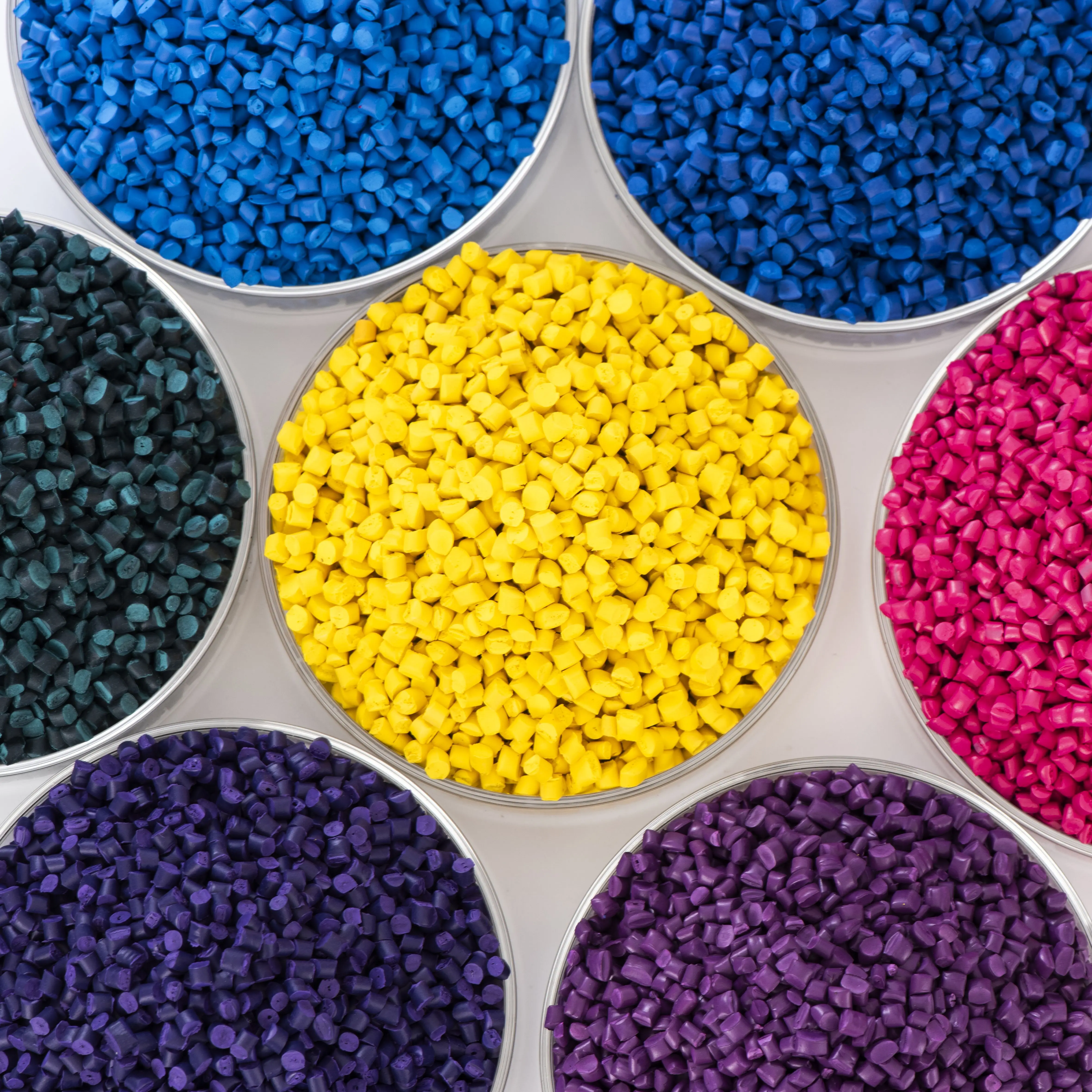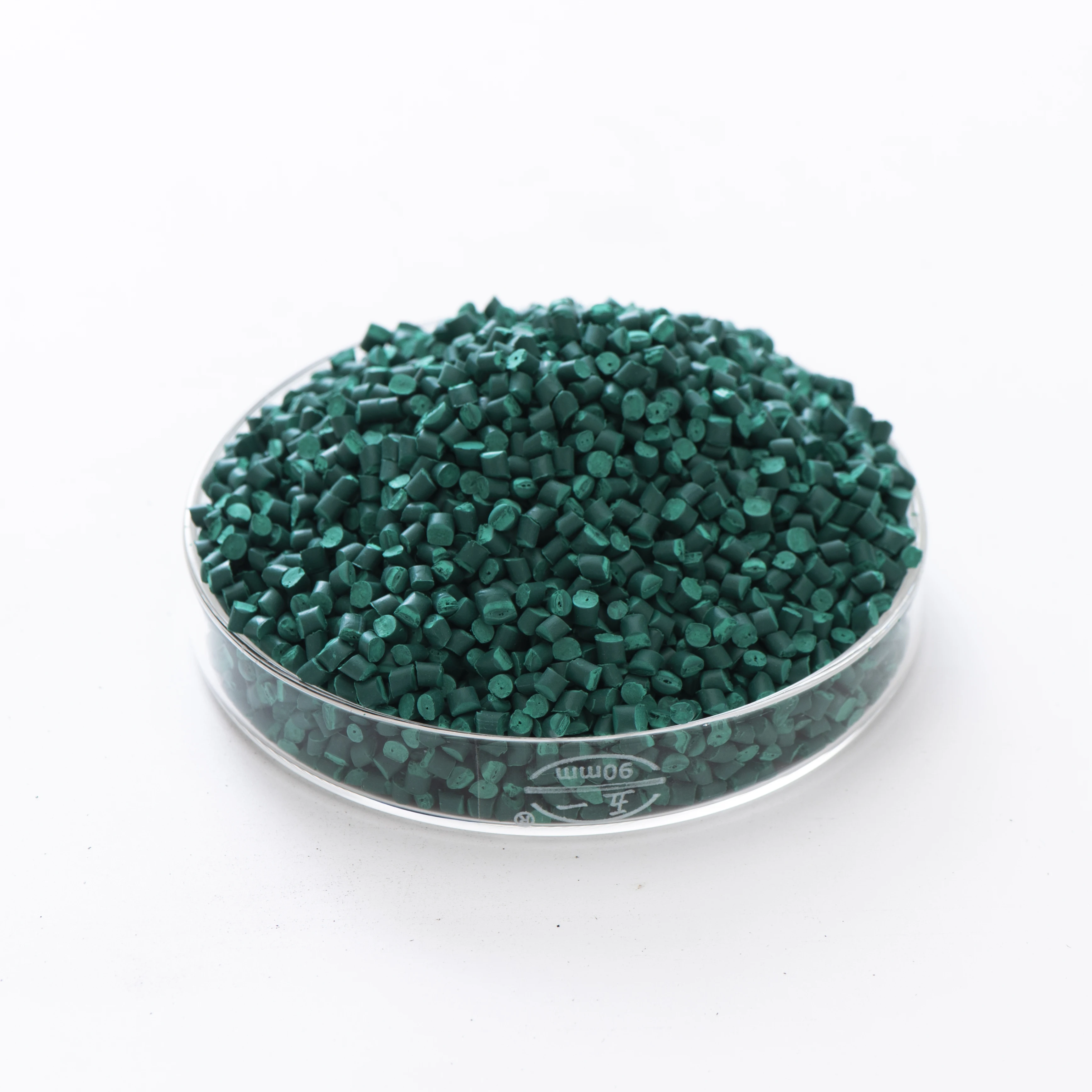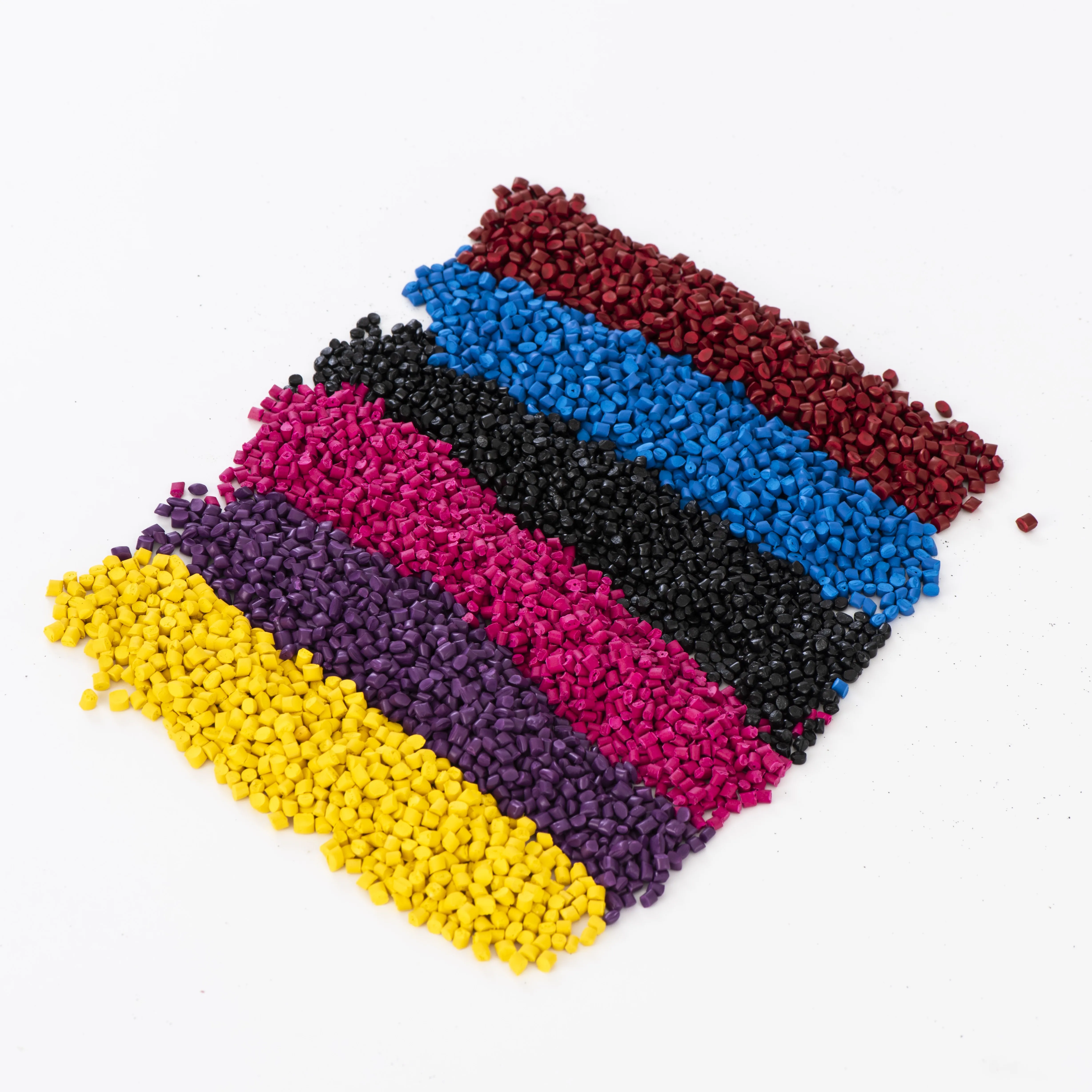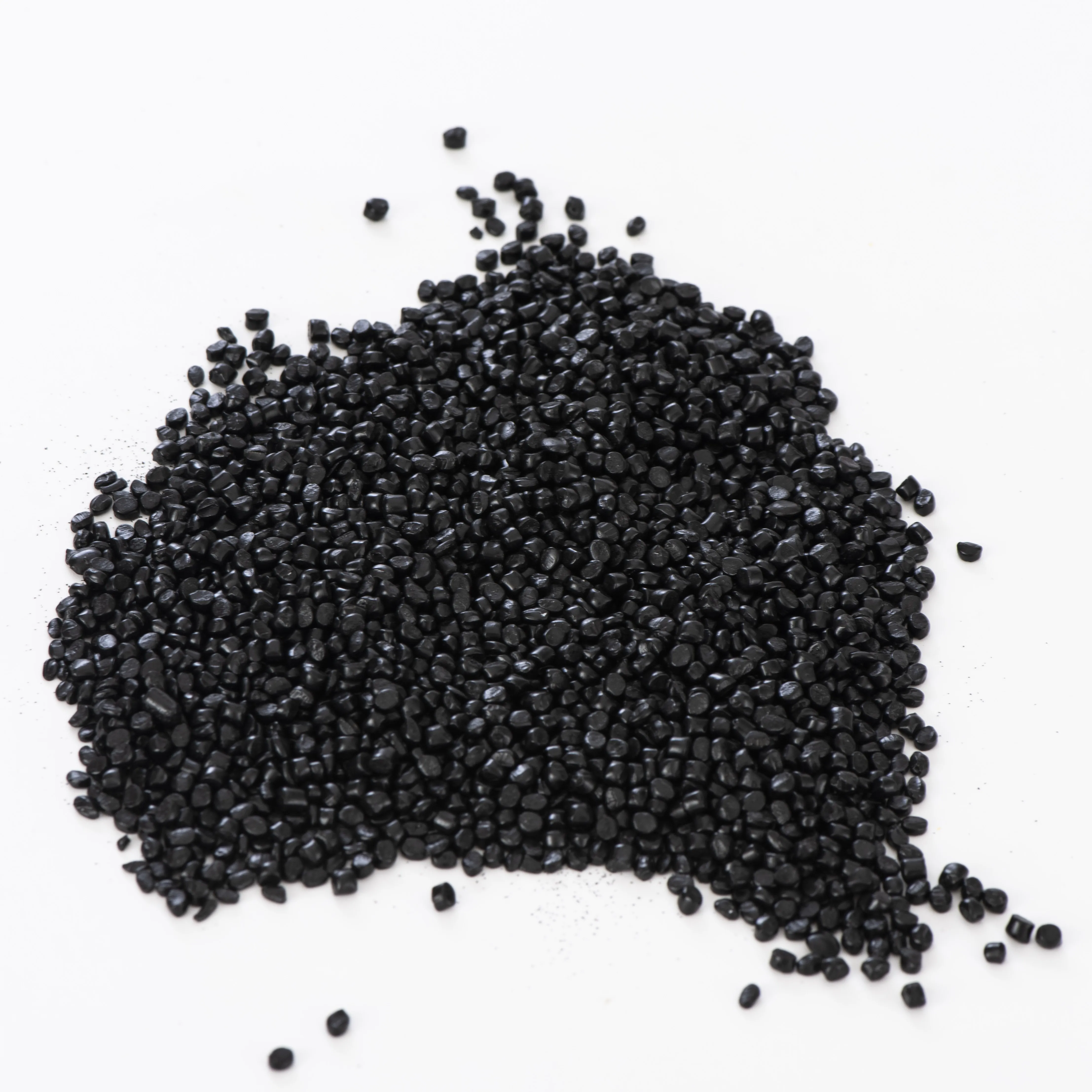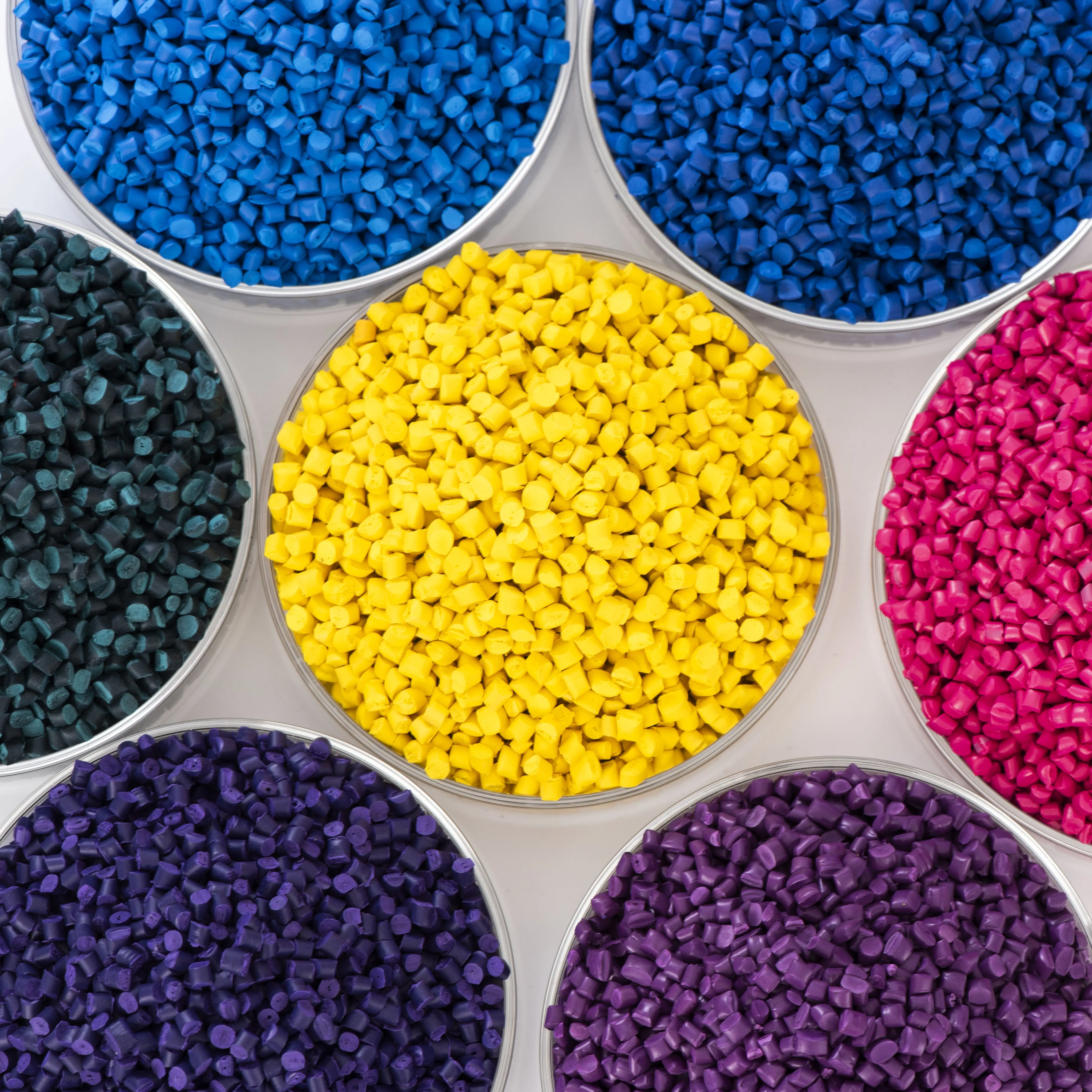
The building blocks of plastic are polymers. Polymers are extremely long chains composed of smaller segments, called monomers. Monomer can be considered as a building block of polymer. These monomers are obtained from raw materials of natural gas, oil and coal found in the earth. All of these materials have different properties to aid in forming the different varieties of plastic.
Using a process known as polymerization, scientists turn the raw ingredients into plastic. This may sound difficult, but it’s really just a matter of mixing and heating the monomers to make long chains. They are then heated up, and the monomers react chemically, going through this process. This is the reaction that produces the long chains of polymer molecules we call plastic.
Types of polymerization – addition vs condensation. In chain growth polymerization, new segments of monomers are added onto each other to generate new polymer. These react through condensation polymerization, in which they expel water or some small molecule as they react. This process is critical as it allows for the production of various plastic types with unique properties.
Plastic raw materials have a significant importance in our economy. They have a wide range of applications across various sectors, from packaging to automotive (cars) and construction. For instance, in packaging, plastic keeps food fresh and safe while shipping. Plastic components are used to make cars lighter and more fuel-efficient in the automotive industry.

Plastic waste makes its way into the digestive systems of animals in the ocean, such as fish or turtles, who misidentify plastic as food. When they consume plastic it can hugely damage their organism. It can cause issues such as suffocation, starvation, or infection which can be fatal to these animals. It’s just awful to think about all the plastic in humans and wildlife and the ecosystem.

To tackle this problem, a lot of corporates, including Yuezheng are striving hard to lessen plastic waste and seek better and more sustainable solutions. This means using biodegradable materials that naturally decompose more quickly and efforts to recycle more — ensuring plastic can be repurposed instead of discarded.
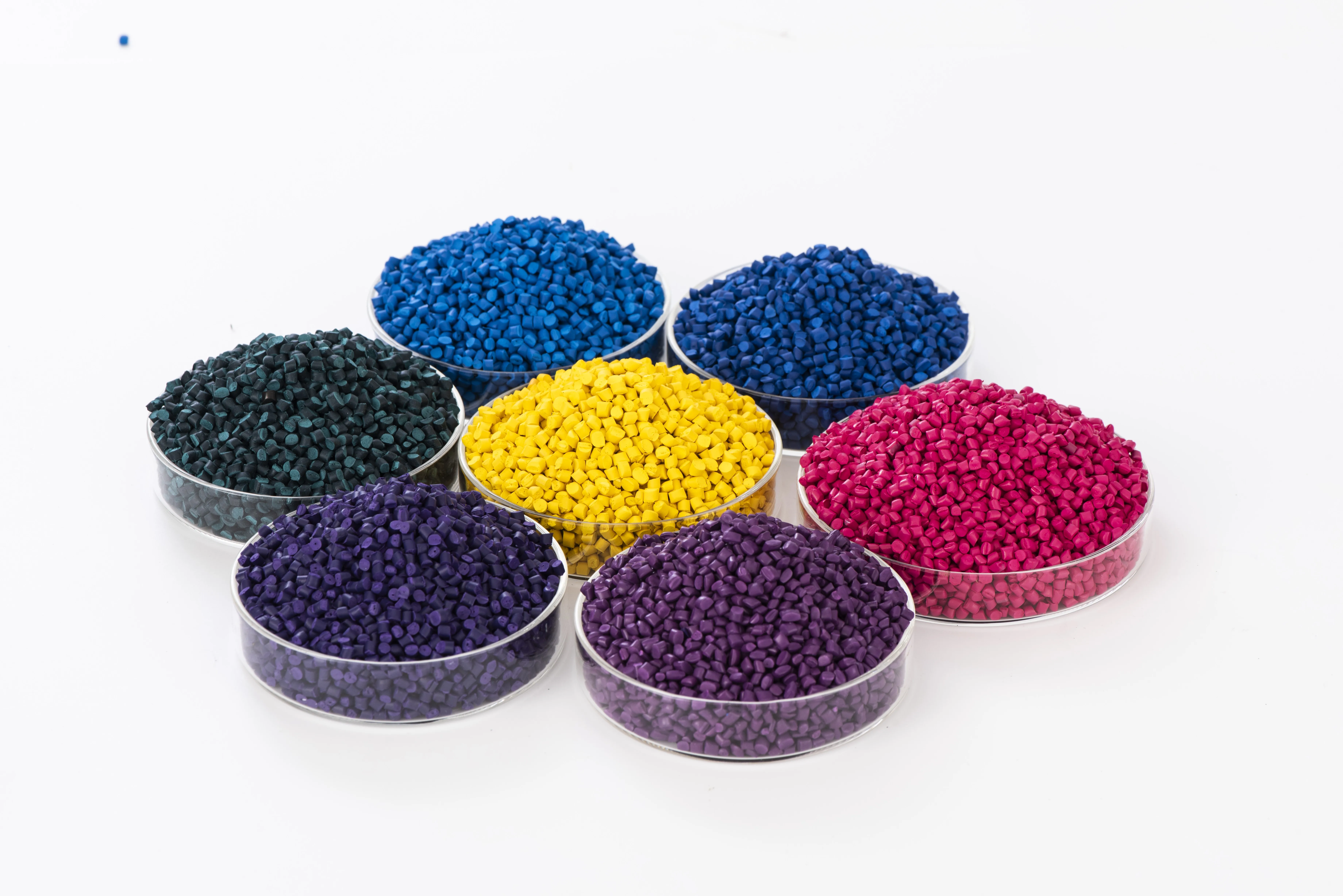
It is true that plastic raw materials form a building block of the modern economy. Used in so many different industries and products, they have helped facilitate global trade and a better life. But the production and use of plastic raw materials are also not without environmental impacts, so this should be considered as well, even if while using on a daily basis plastics are convenient. Plastic waste is a major common pollutant harmful to animals and ecosystems.
Copyright © Yuezheng Plastic Color Masterbatch (Dongguan) Co., Ltd. All Rights Reserved
 EN
EN