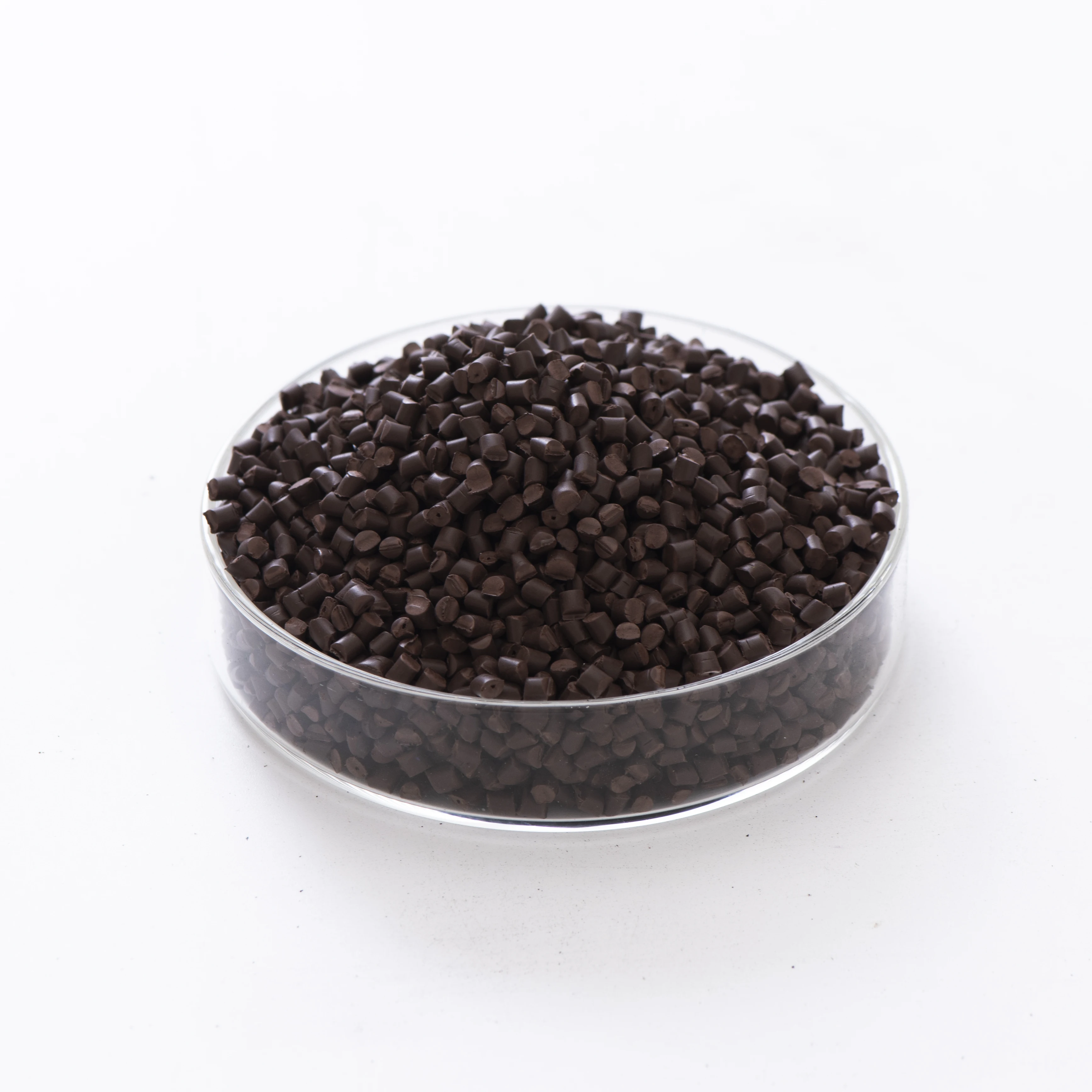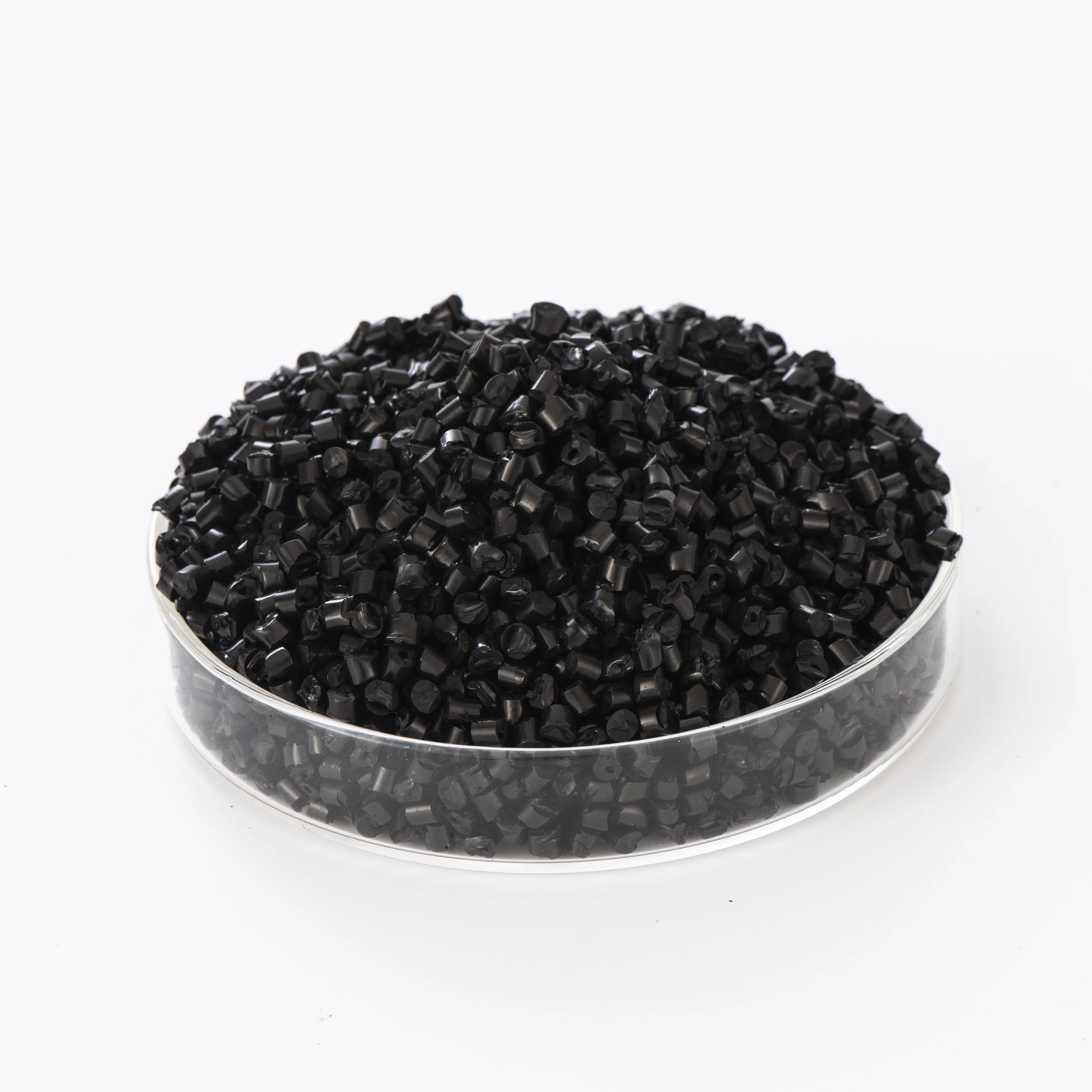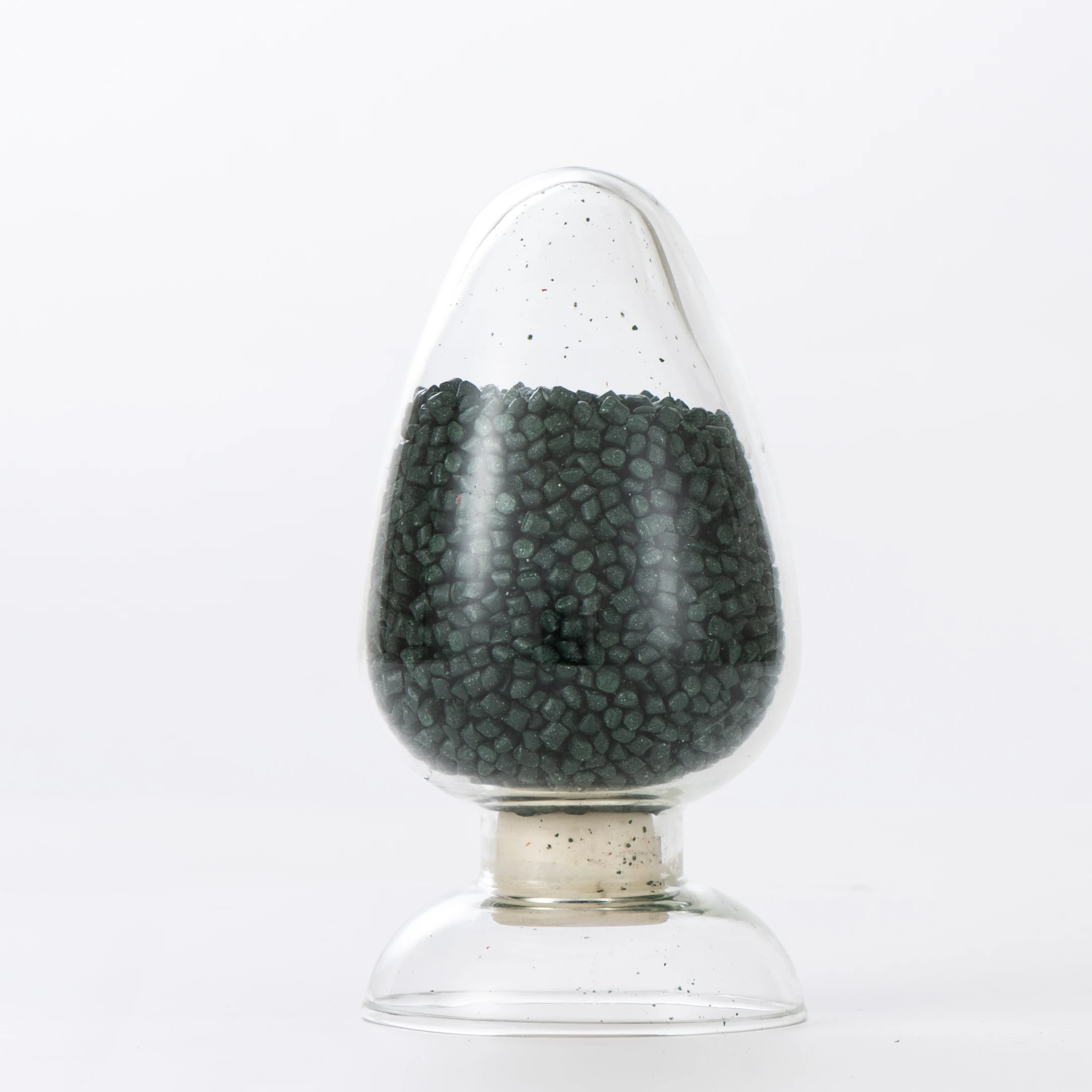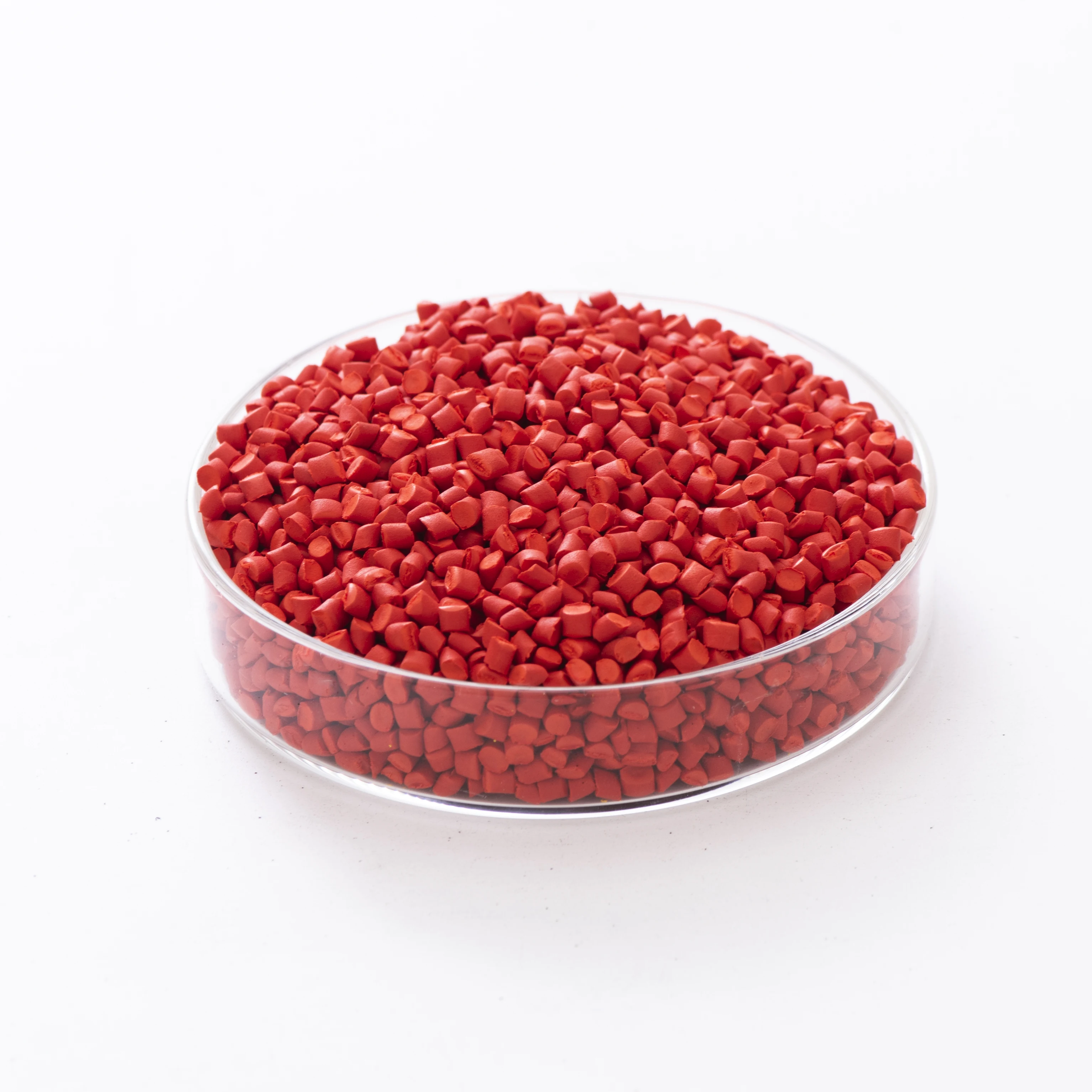
Plastic is everywhere! We encounter plastic everywhere from toys to water bottles to food packaging. Plastic is an item that we use nearly every day without thought process. But did you know litter can also come in the form of tiny pieces of plastic — even smaller than what you can see sometimes — that can enter our oceans?
Those minuscule bits of plastic are known as microplastics. They are a huge issue for our environment, as well as harm many living creatures in the ocean. Ocean creatures, such as fish and turtles, can chew these microplastics as if they were food, imagining they are some delicious meal. When their stomachs are full of microplastics, however, they can become very sick and even die. The plastic can then disintegrate into smaller particles that can be dangerous to the ocean and its inhabitants.
Researching the impact of microplastics on our oceans and the resident marine fauna is a tiring task for scientists. They want to know how these tiny bits of plastic end up in the water and how to prevent that from happening. More examples are being tested such as using different steps to prevent plastic from reaching our oceans, such as altering plastic usage in our day to day lives.
Many believe that recycling can help save the amount of plastic in our oceans. Recycling means taking old plastic products and making them into new products rather than throwing them away. But recycling isn’t always the answer. Plastic can only be recycled a limited number of times before it can no longer be used. So, no matter how well we recycle, a little plastic garbage has to be generated. Also, some plastic items — certain containers or bags, for example — cannot be recycled at all, making the situation worse.

Microplastics consist of different kinds of plastic. Some types of plastic break down more easily than others. That means microplastics can persist in our environment for very long times. They can drift in the water or settle on the ocean floor, disrupting habitats and the animals that live there. The longer their visit, the more damage they might do.
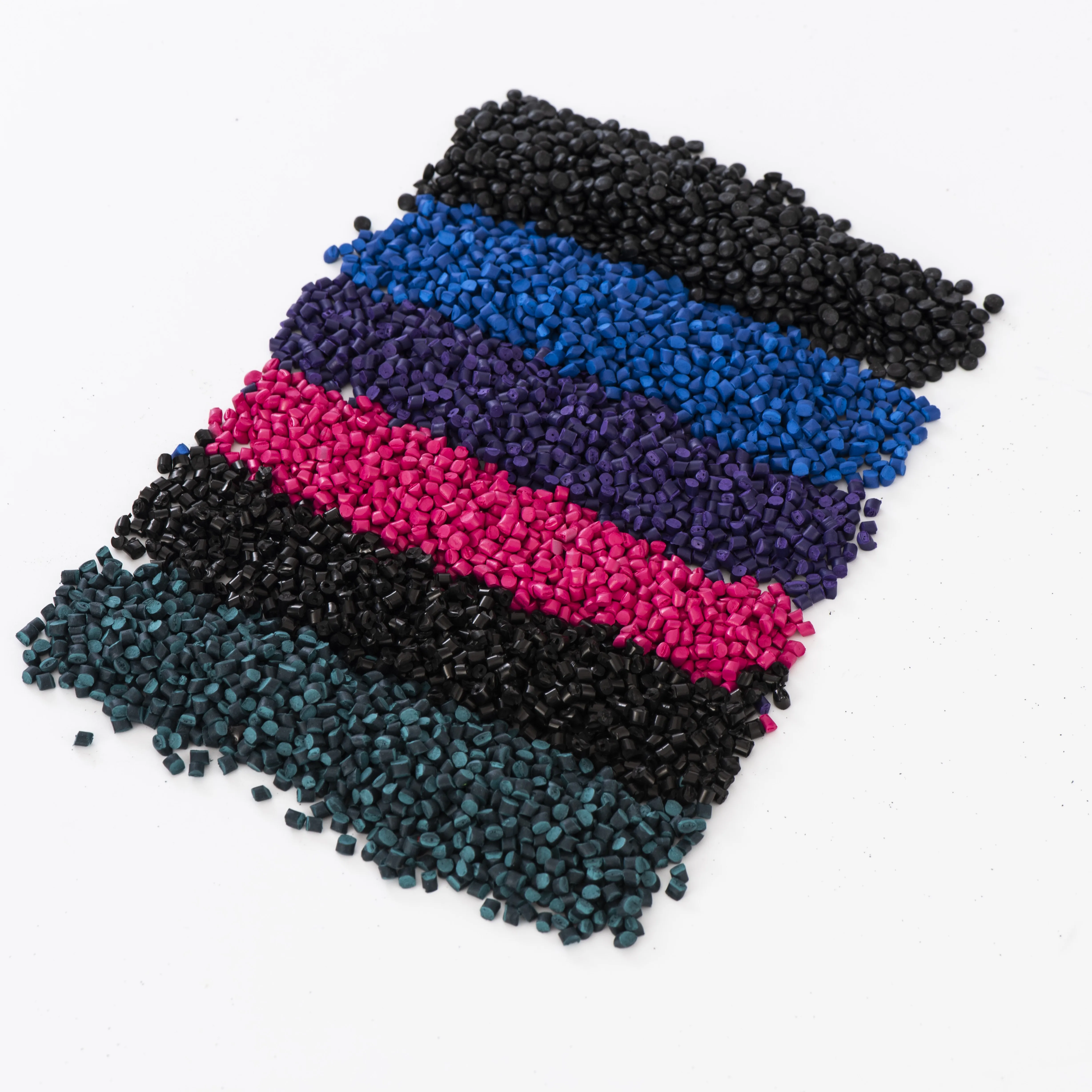
Not only do microplastics pose an environmental threat, but they can also be harmful for animals and humans. Plastic and the Health of Animals When animals consume plastic, it can make them sick. Occasionally, these microplastics ascend the food chain." This means that if a larger fish eats a smaller fish that has eaten microplastics, the larger fish can also get sick. In a few, they also reach our tables when we consume seafood and that makes very special to us as well as our health.
Yuezheng talks to people to see how she can help reduce plastic waste in our oceans. We do believe that The world's a treasure trove of better and more sustainable plastic. We are also cleaning up the plastic that is in the ocean. Such as hosting beach clean-ups and promoting individuals to reduce their plastic usage.
Copyright © Yuezheng Plastic Color Masterbatch (Dongguan) Co., Ltd. All Rights Reserved
 EN
EN