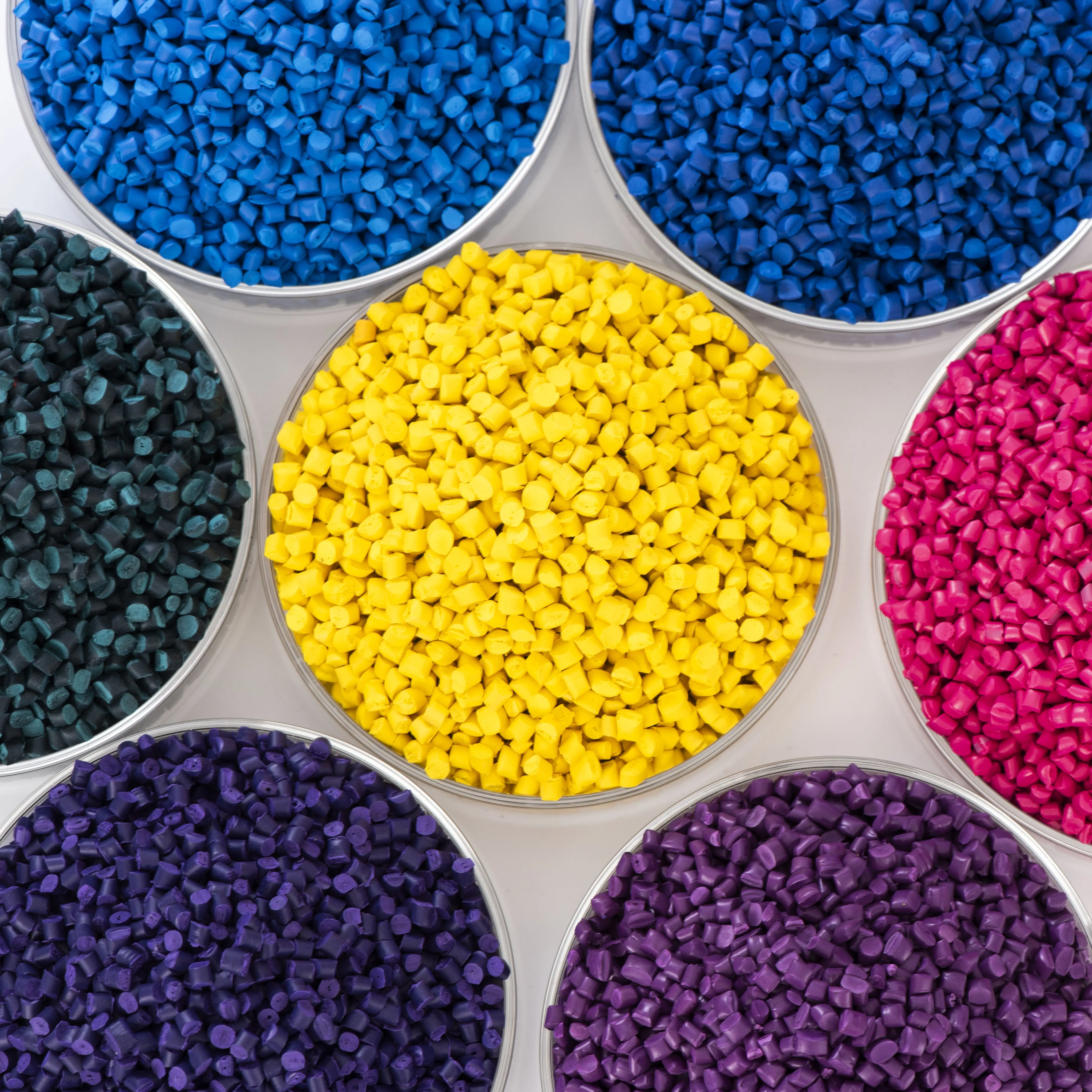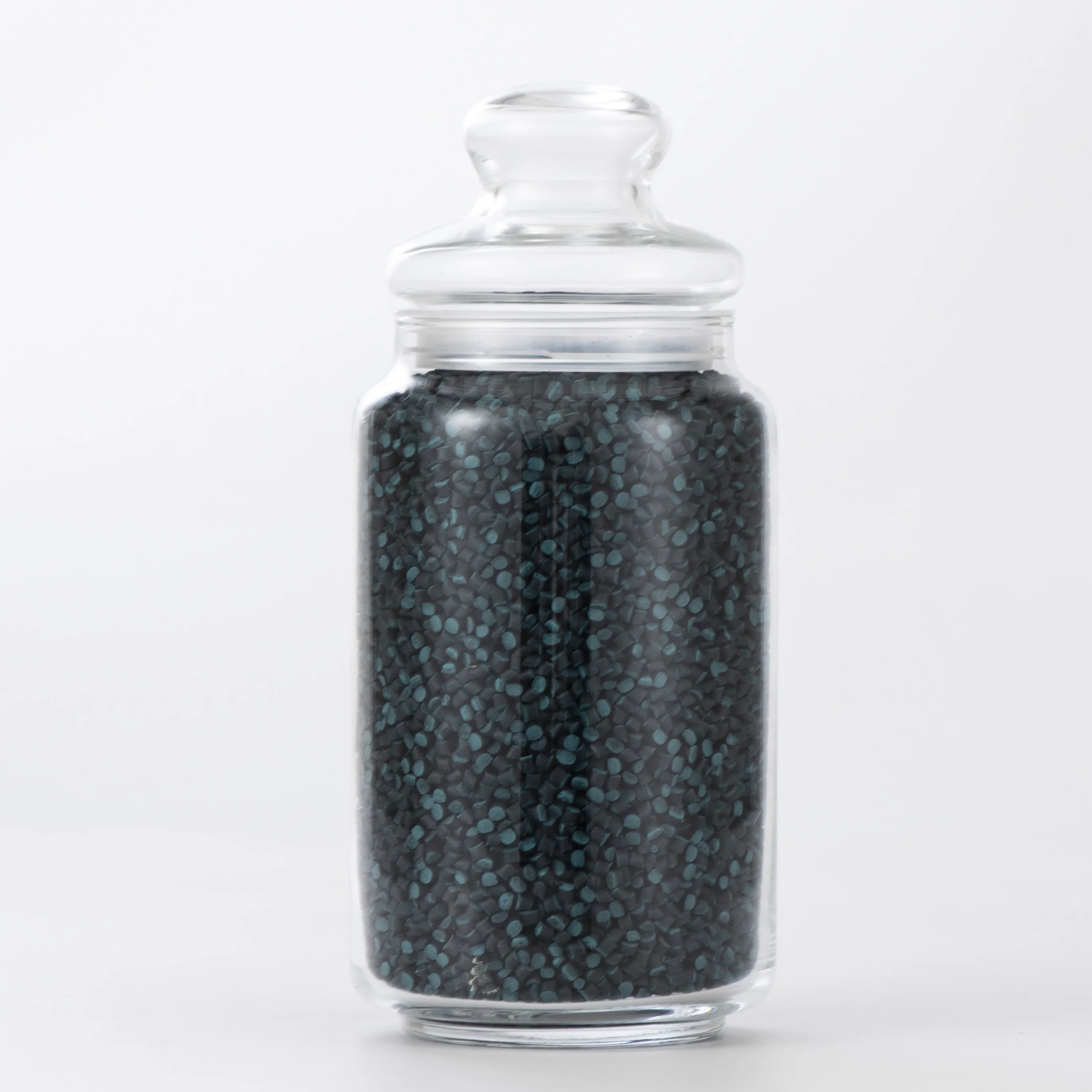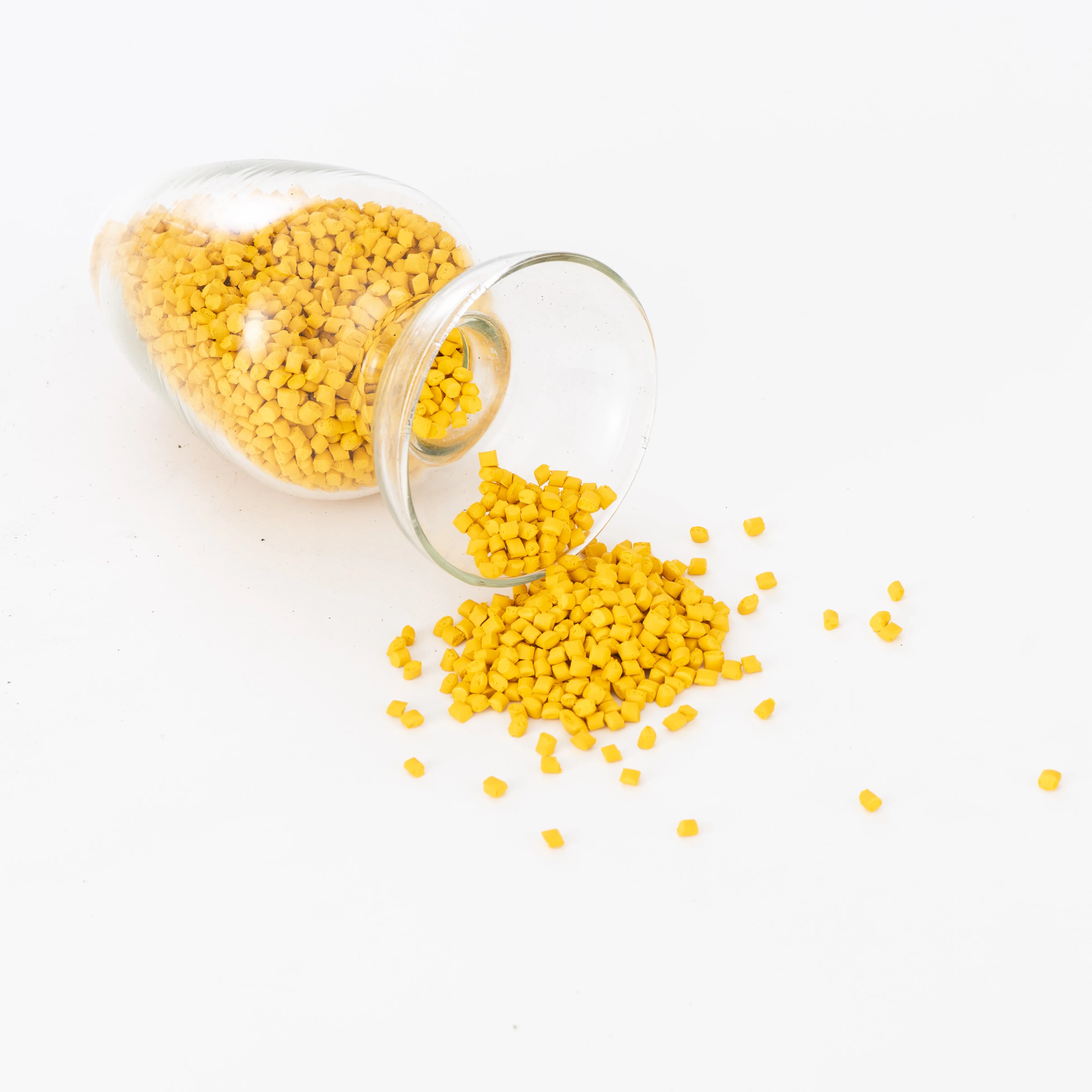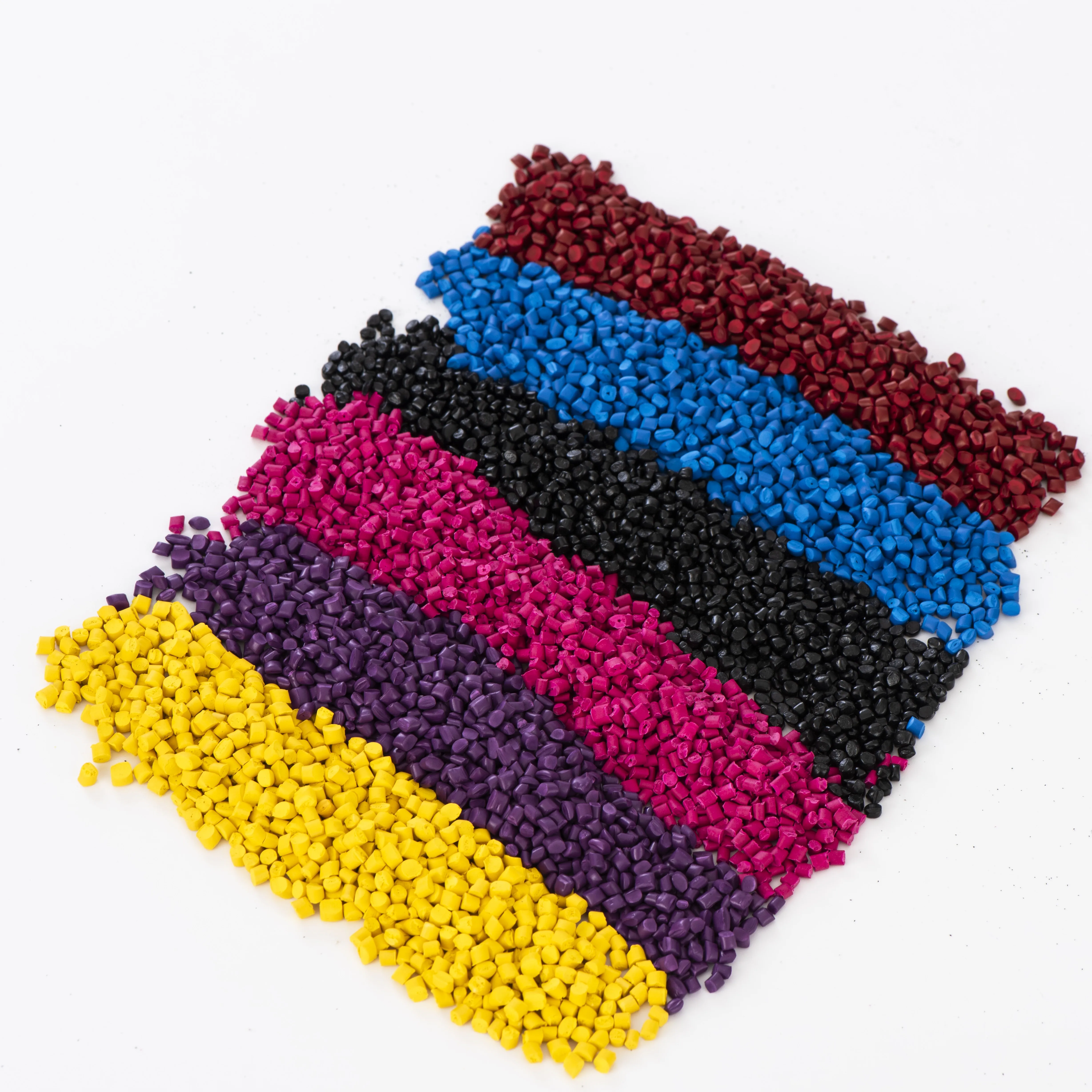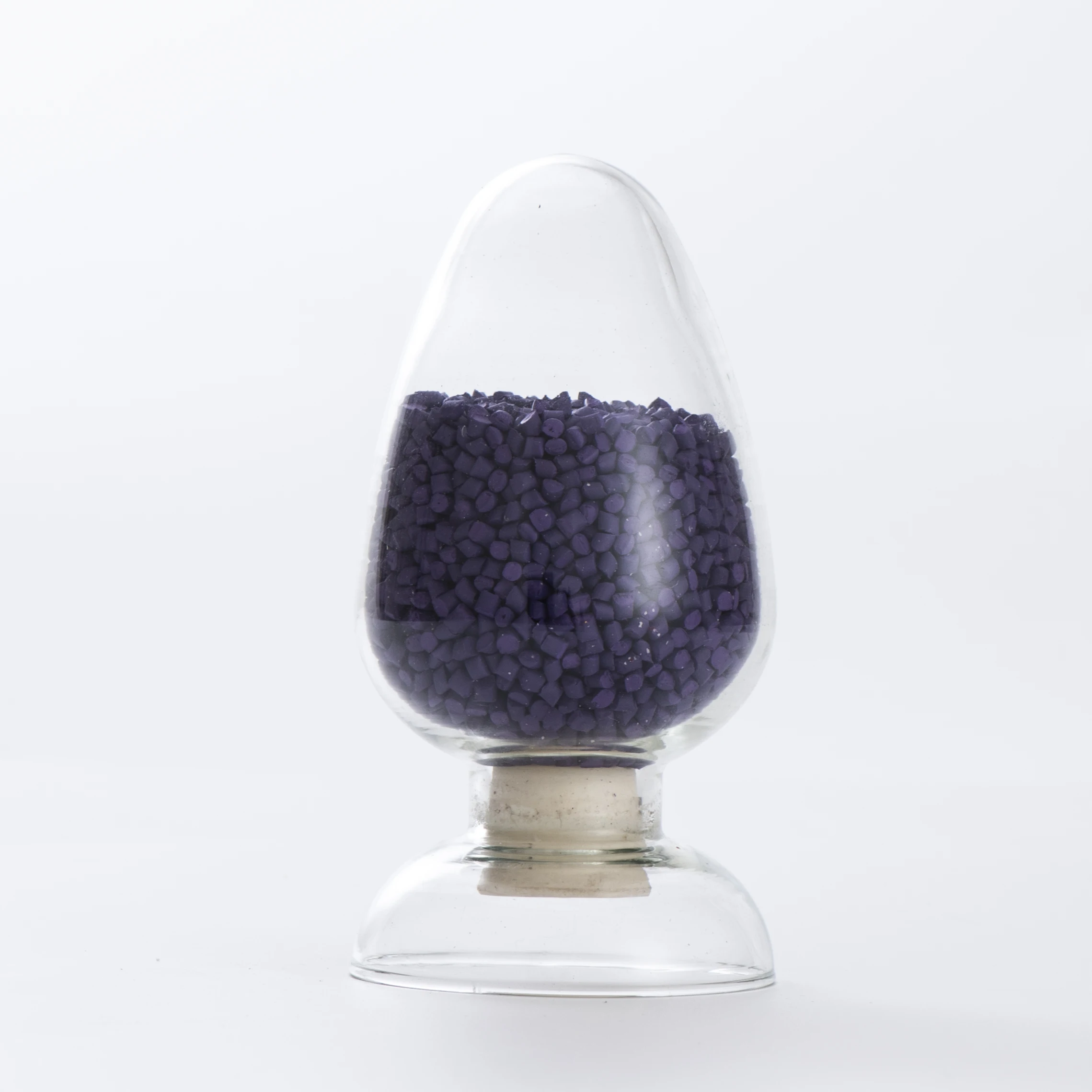
We witness polythene in most places often on a daily basis. They are important for making items like plastic bags, packaging for food and other products, and even toys that children enjoy playing with. Have you ever thought about where polythene really comes from? You might not know that polythene is actually made from the solid substance called polyethylene, a very definite type of plastic. This plastic originates from raw materials like petroleum, natural gas and, in some cases, even plants.
Polyethylene is a type of material with long chains of small units known as polymers. These polymers are constructed from smaller portions called monomers. Polyethylene, for instance, is made from the monomer ethylene. Ethylene is a colorless and flammable gas, commonly found with natural gas and petroleum. This gas is one key building block for producing many of the plastic items we use on a daily basis, which is something very curious!
How Polyethylene is Produced: The Process It is first extracted from deep in the earth as raw materials such as natural gas or petroleum. They are then shipped to a superclass of factory called a petrochemical plant. At this factory, those raw materials are then turned into ethylene, as we discussed previously.
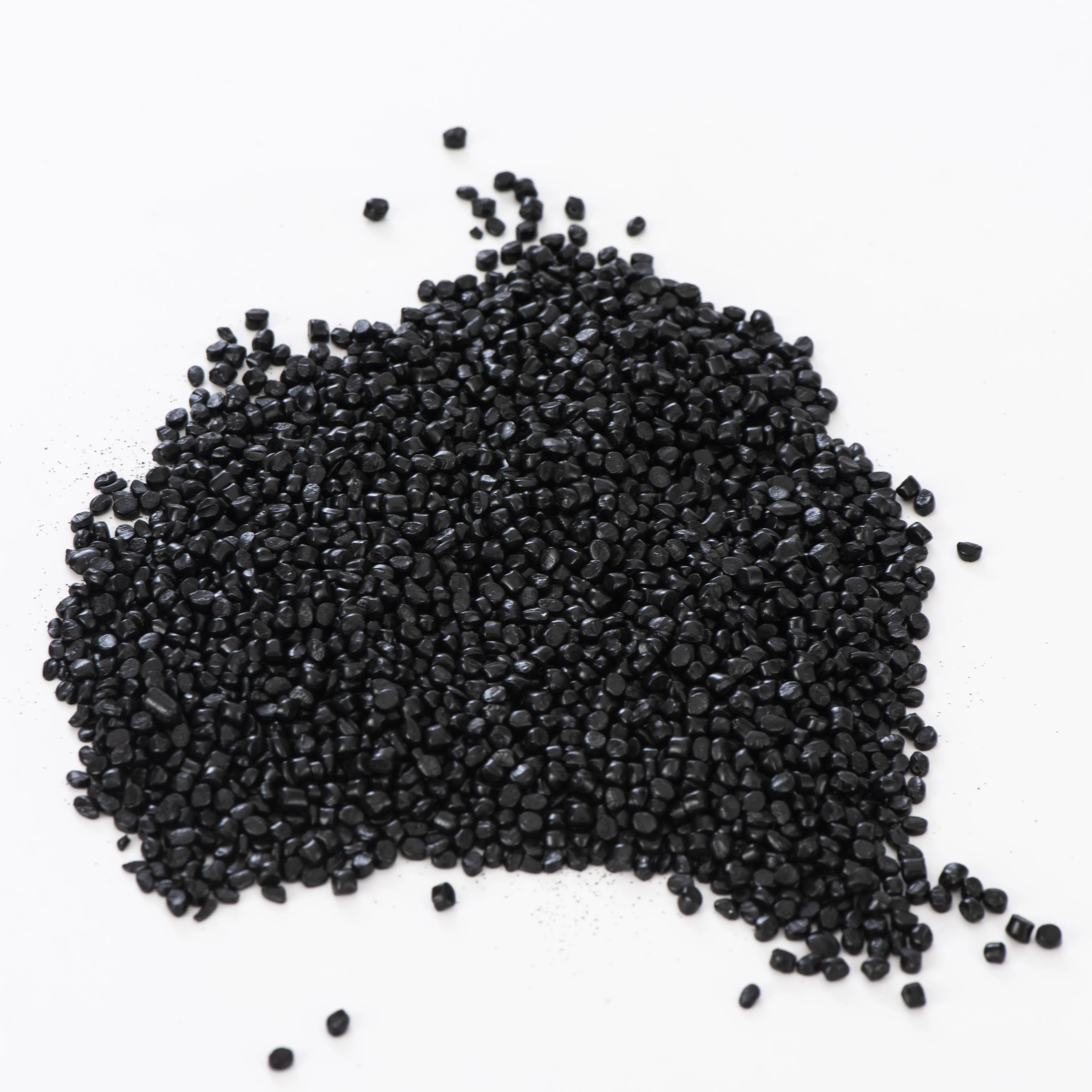
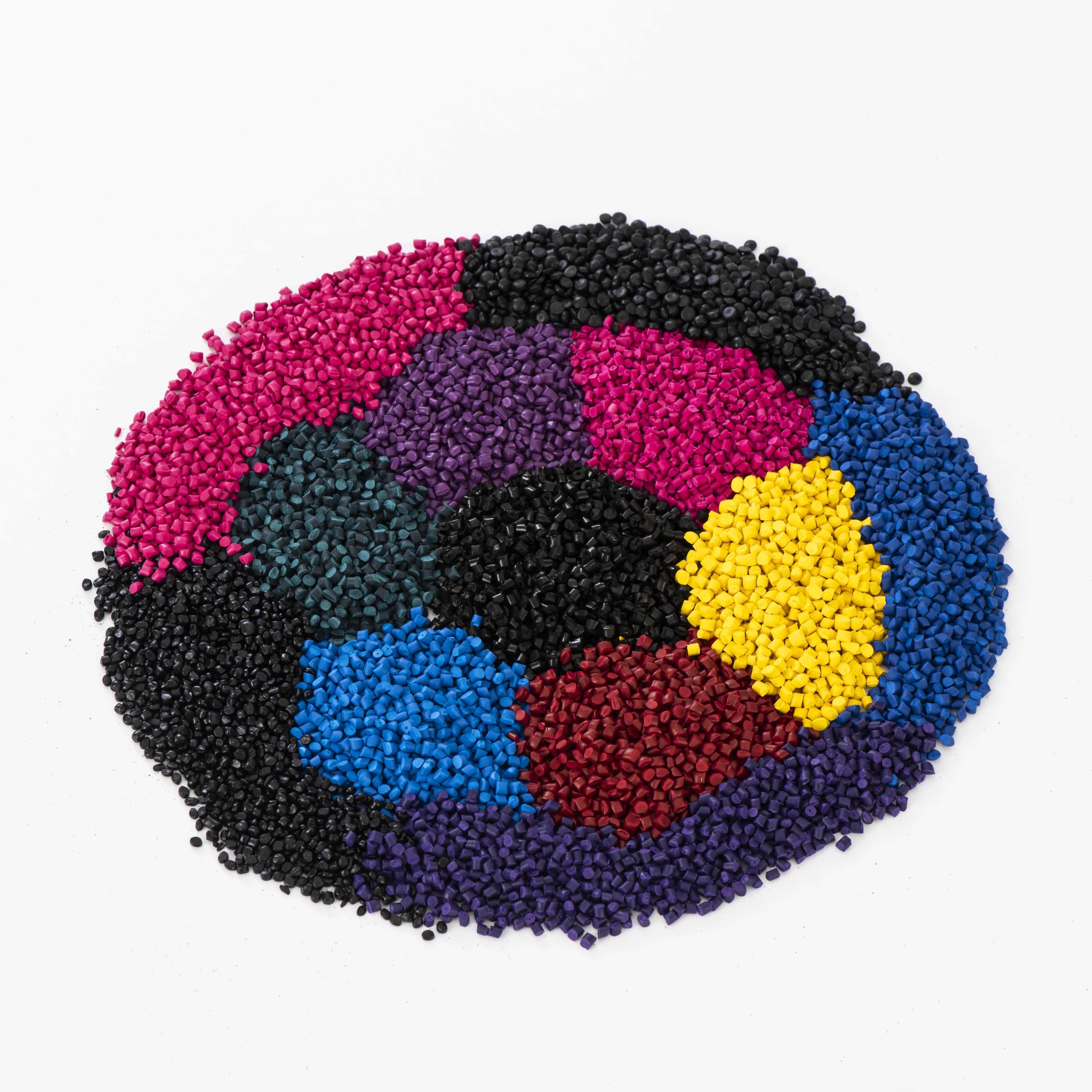
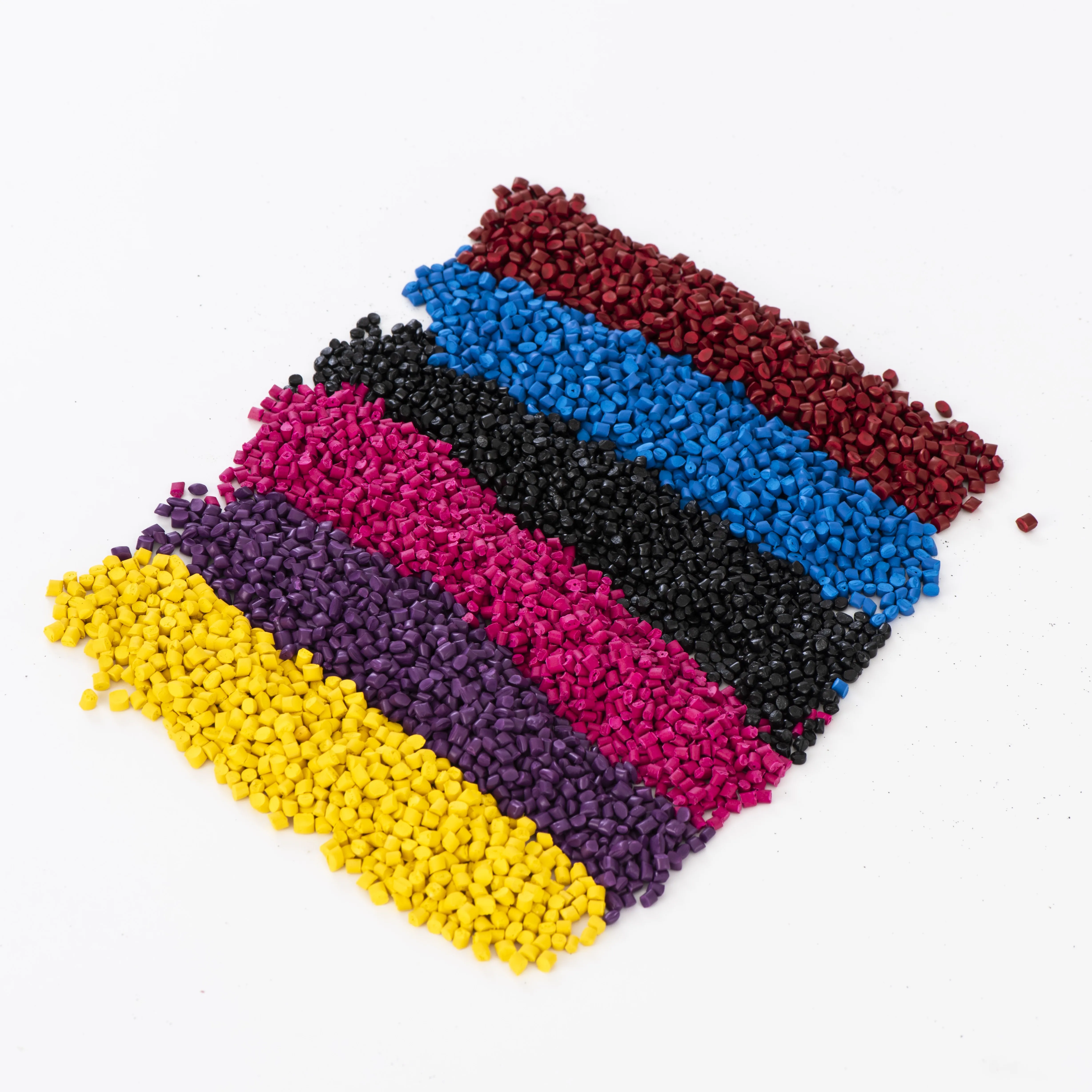
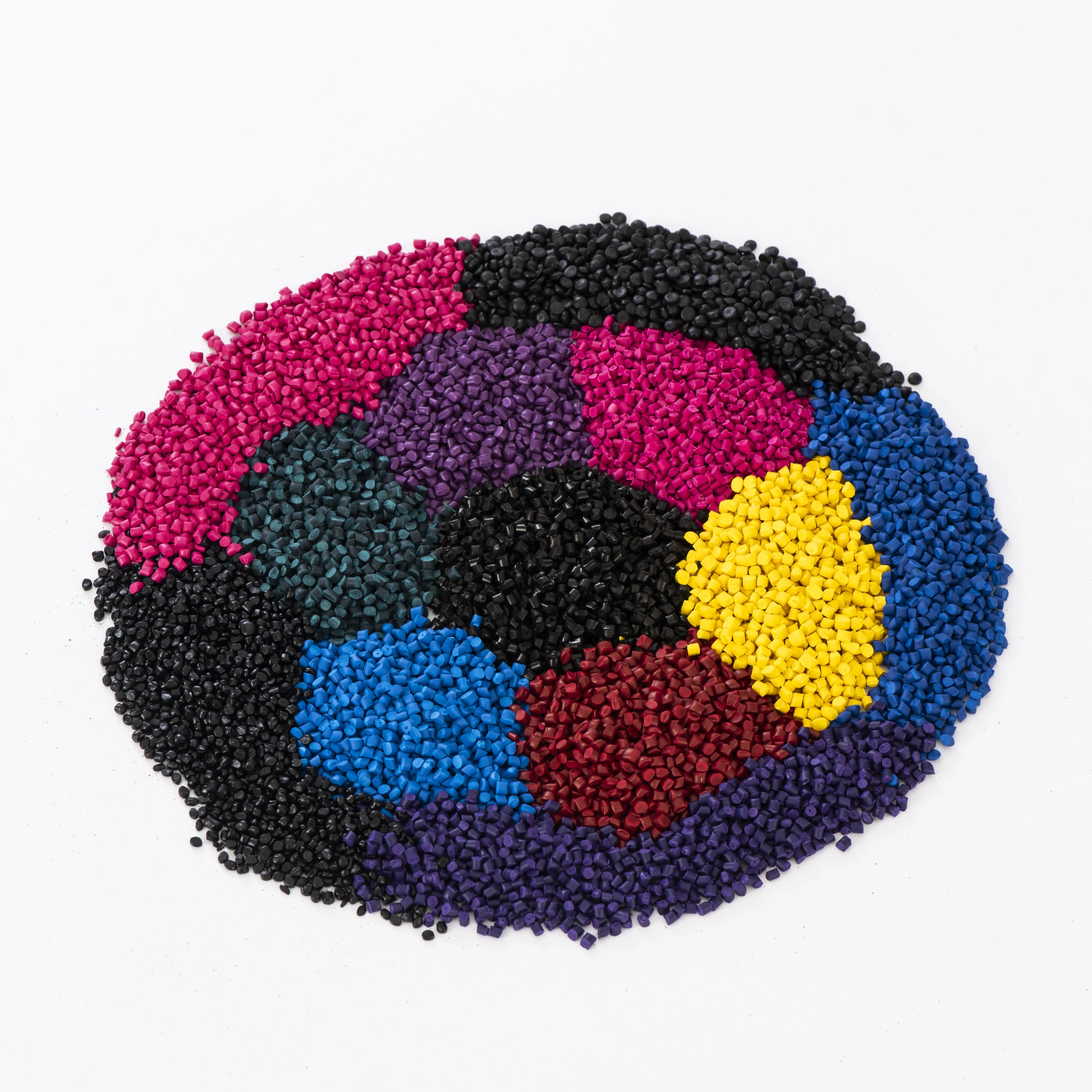
After the ethylene is made, it goes to a different factory known as a polymerization plant. The ethylene is then combined inside this plant with a substance known as a catalyst and heated up. The heating makes the nanoinvers of col831 stick together, connecting to long chains. This is the polymer — this is polyethylene, the stuff of many things we touch every day. Once the polyethylene is formed it must be cooled & cut into small bits known as pellets. Those pellets can then be turned into all kinds of things down the line.
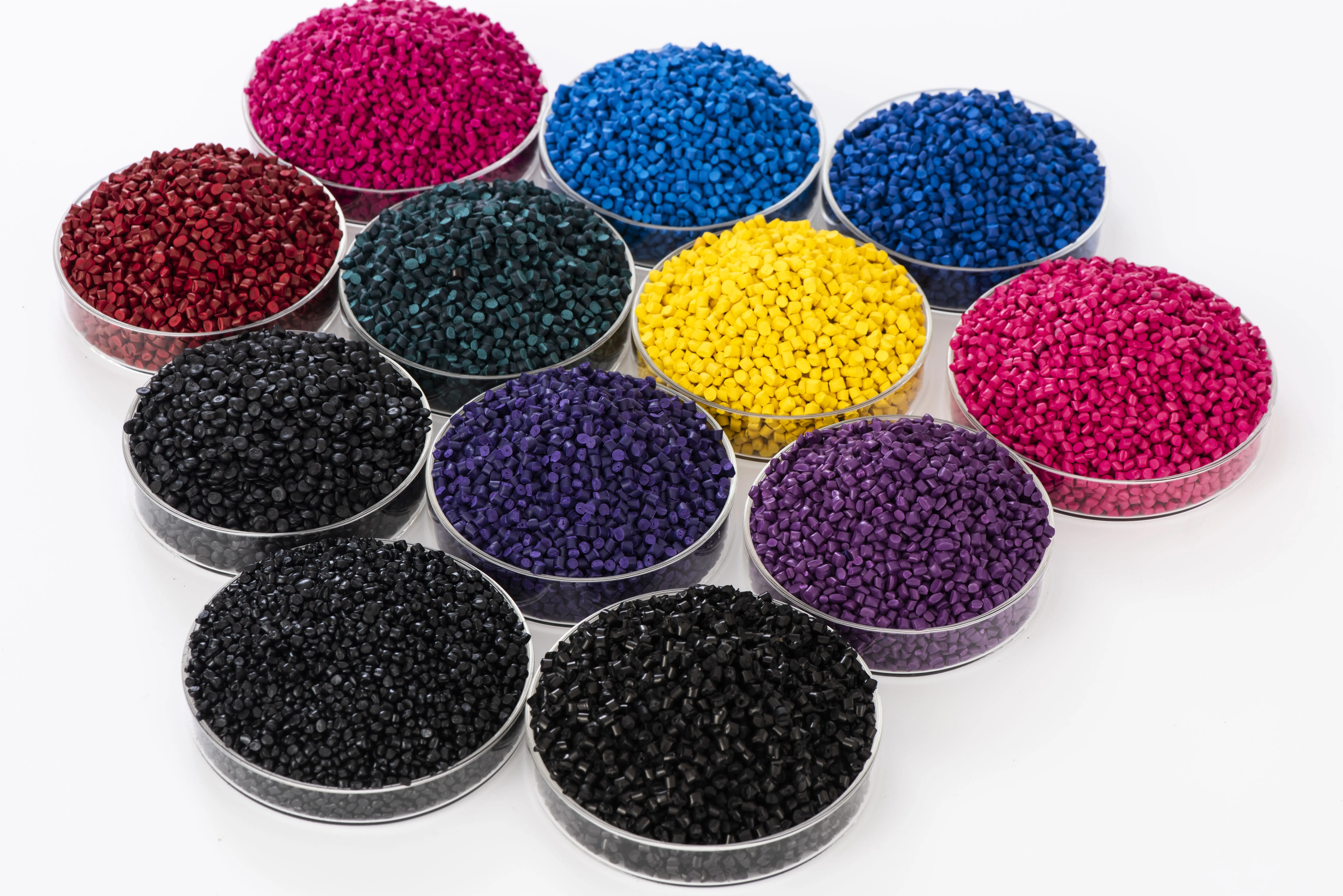
There are several types of polyethylene, which is categorized depending on the density or thickness of the final product. If you hear about types of polyethylene, the most common are low-density polyethylene (LDPE), high-density polyethylene (HDPE), and linear low-density polyethylene (LLDPE).
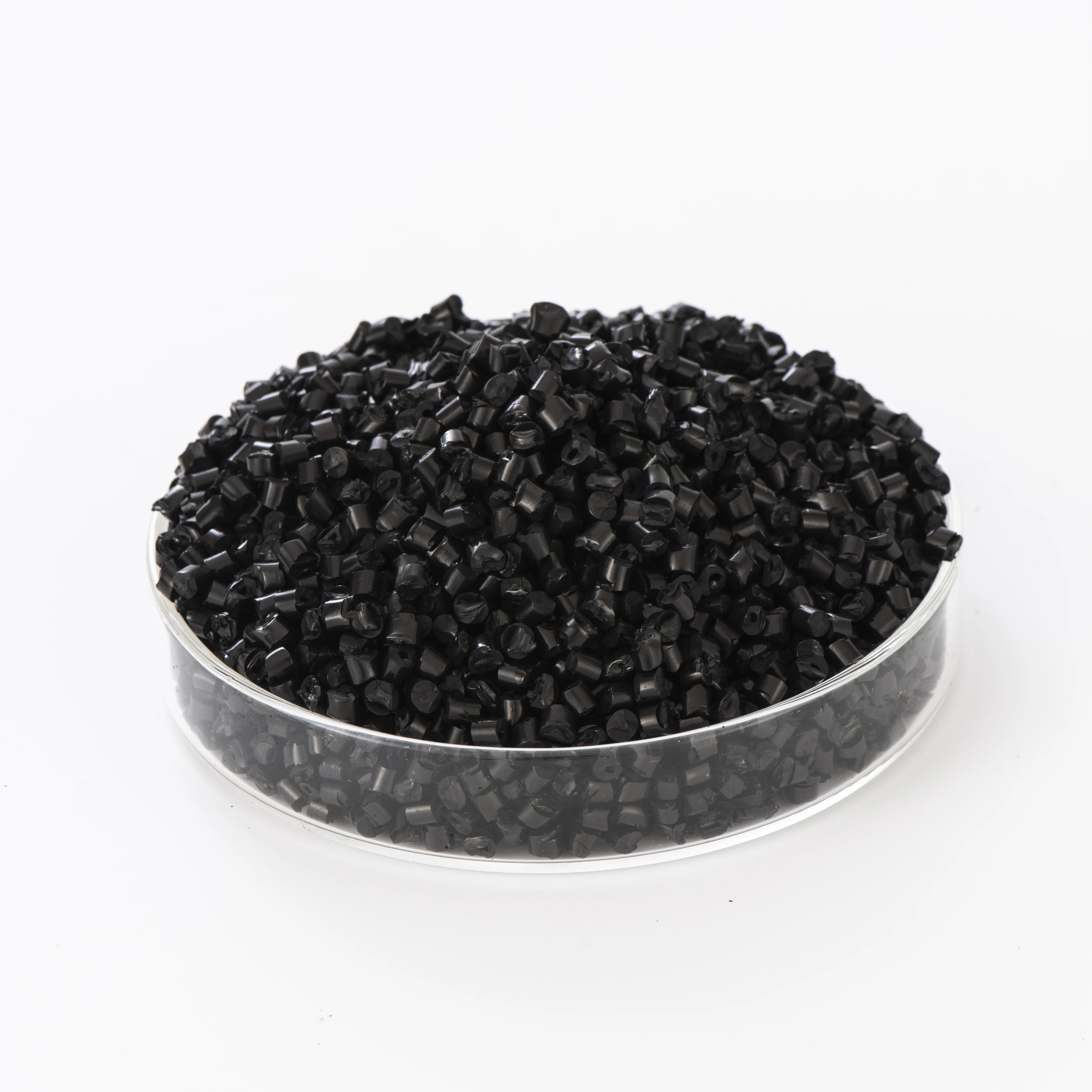
Bio-based polyethylene is derived from natural sources such as sugarcane and corn. They're a renewable form of polyethylene since we can plant more plants. Also, bio polyethylene is biodegradable. It is also important because it prevents waste from accumulating in our surrounding environment.
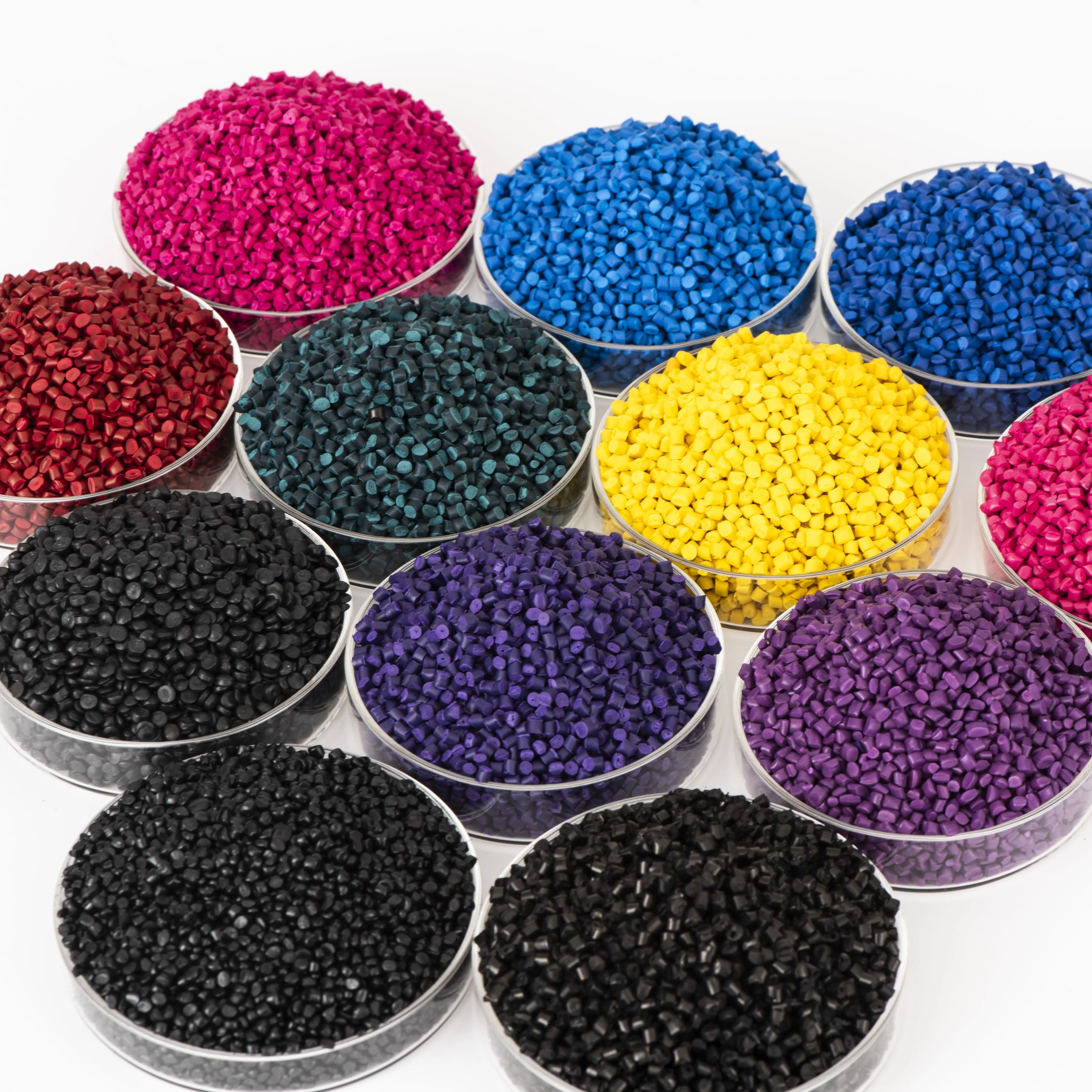
We use sugarcane and corn because the materials we source for our bio-based polyethylene are high in sustainability. This way, we help mitigate our carbon footprint which is a kind of measurement of how much pollution we generate. This approach supports the health of our planet, too. By using these sustainable materials, it guarantees that our products are safe for human use and have a positive impact on the environment.

Copyright © Yuezheng Plastic Color Masterbatch (Dongguan) Co., Ltd. All Rights Reserved
 EN
EN