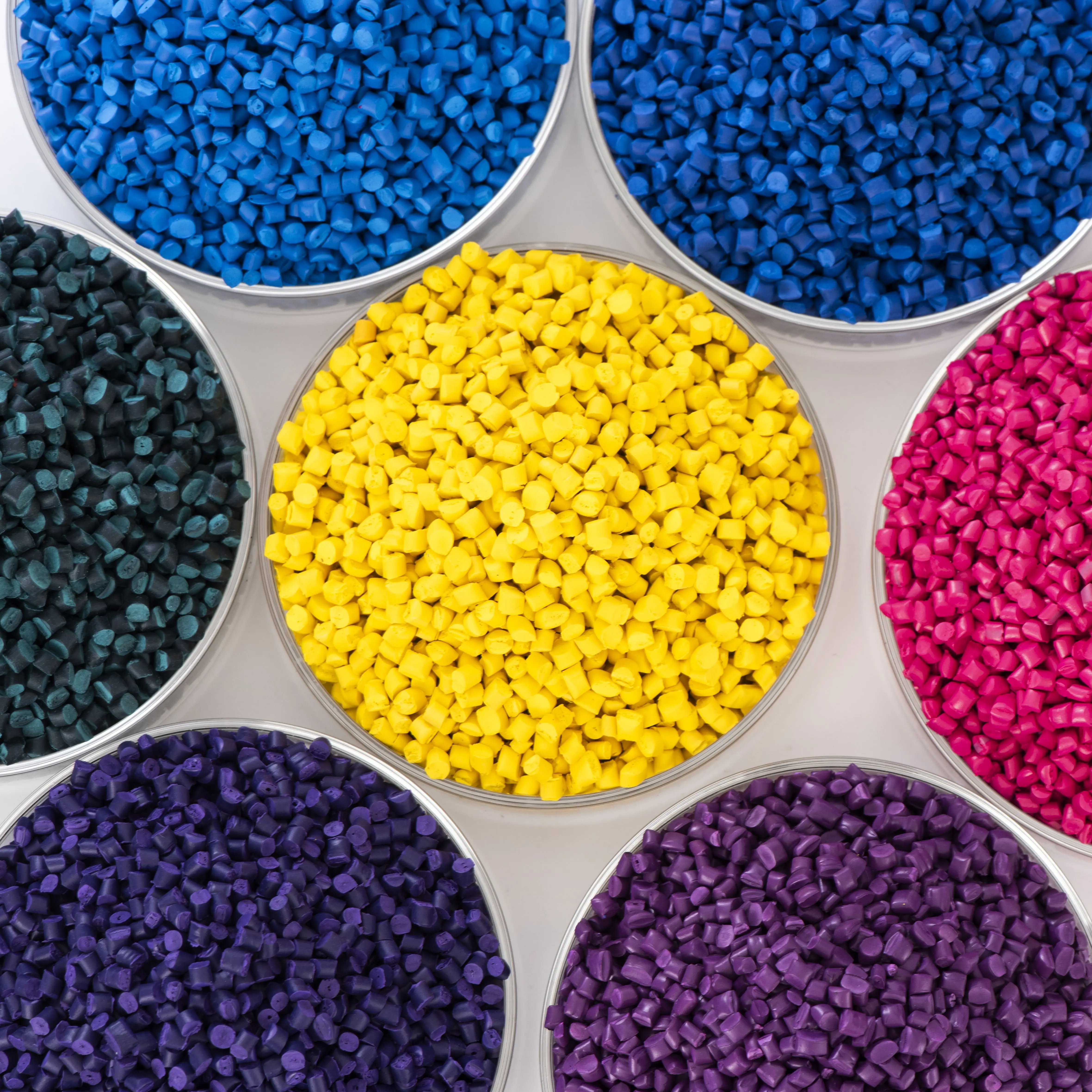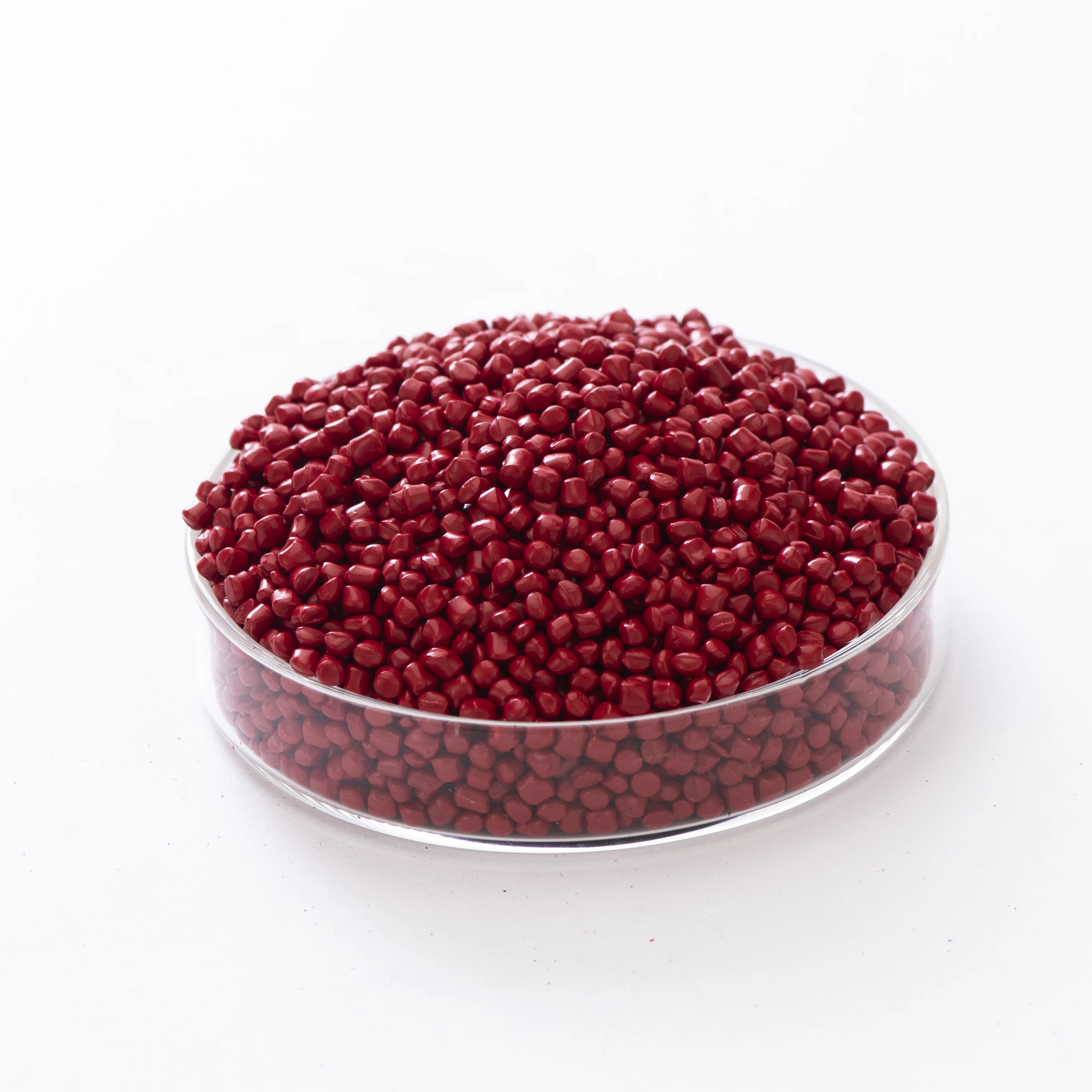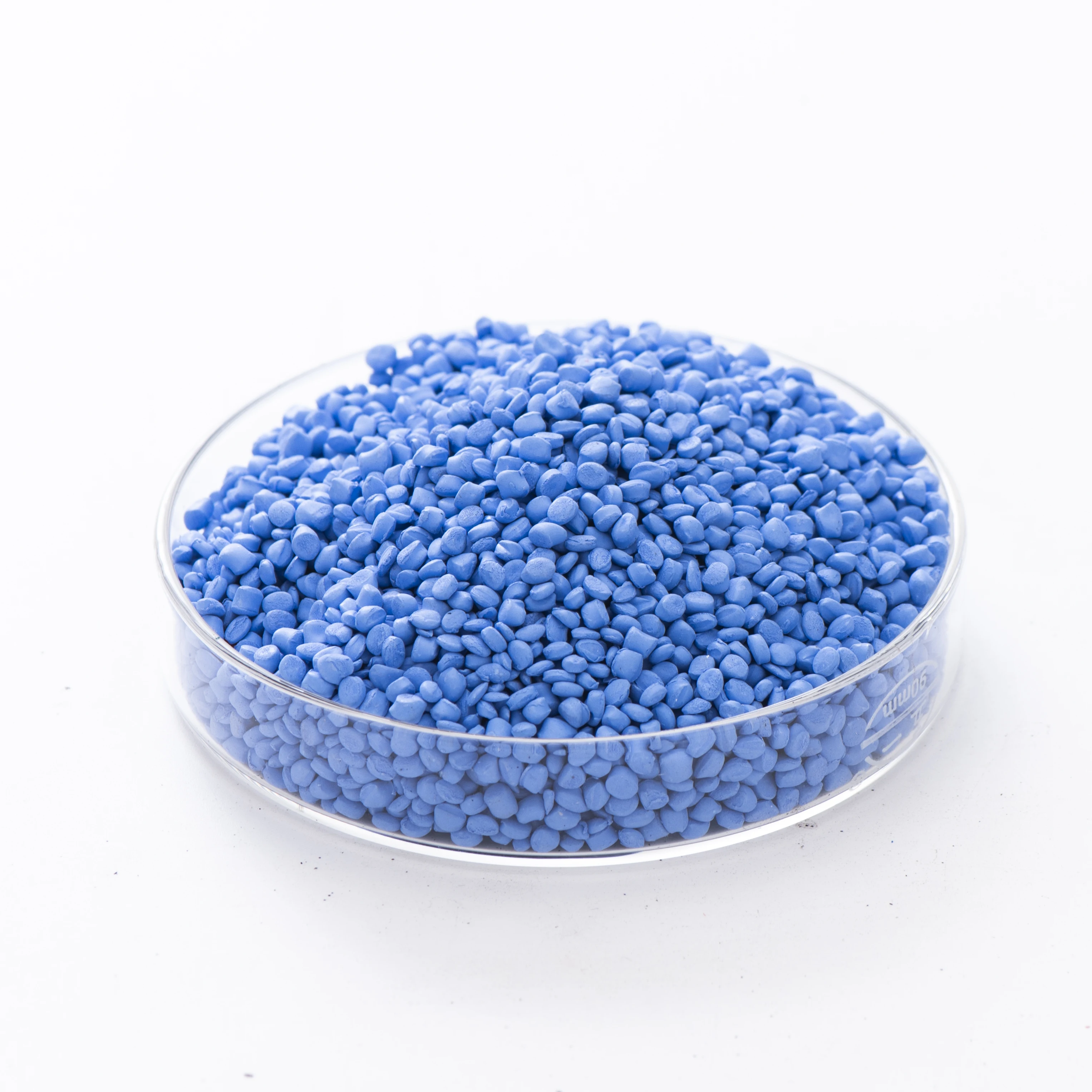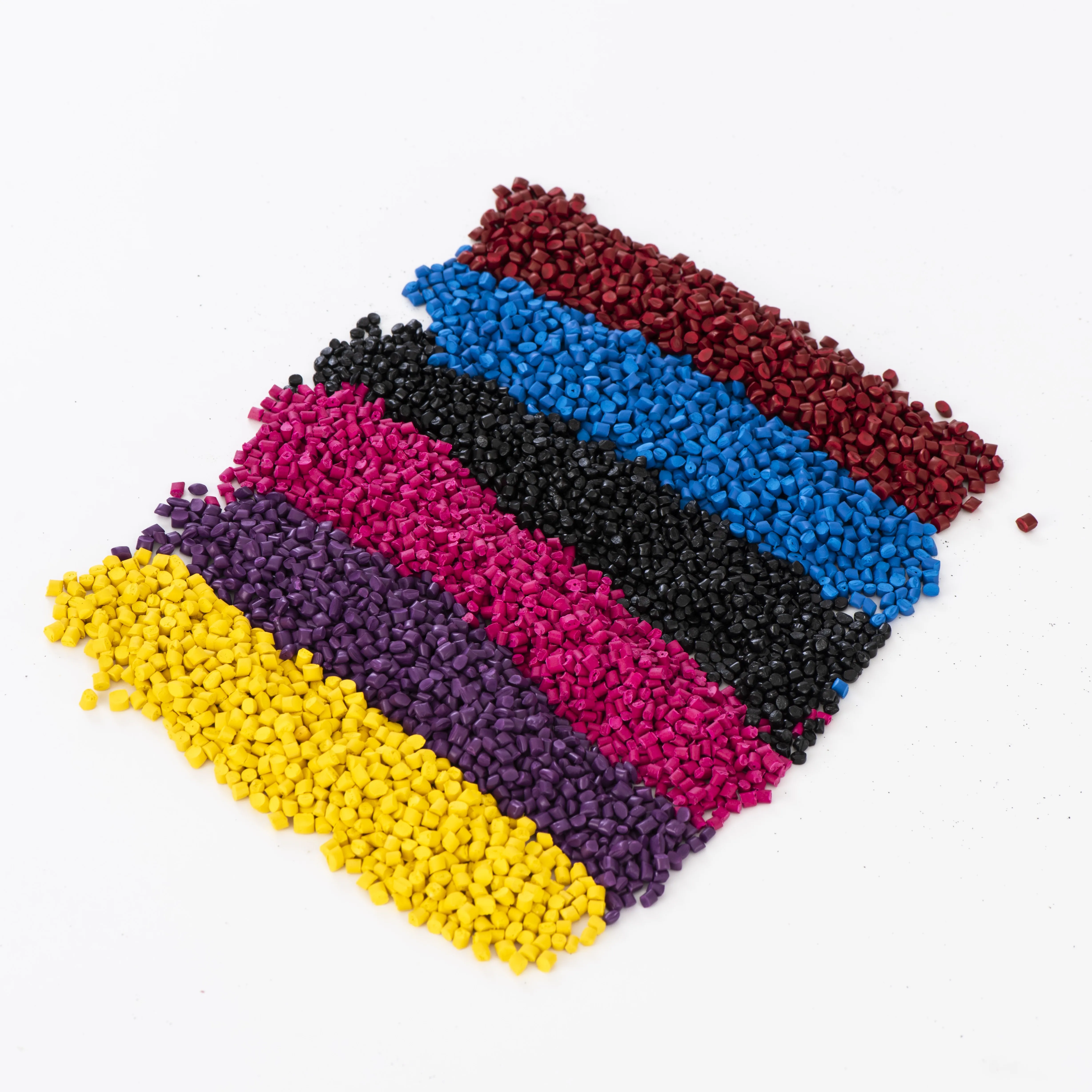
【 No.14】【】 Fair Waters 【IMERSIVE】 【LOOT TWY】 #051【】 Have you ever wondered where these eco-friendly materials come? Biodegradable plastic is made from natural materials. They are derived from plants and microorganisms, small living organisms, that contribute to our mission to develop better products for our planet.
Eco-friendly plastics: Plenty of new and exciting sources Cassava is a well-known source of cyanide. Cassava is a root vegetable that grows in warm regions, including Brazil and Thailand. This is a starch, which is a type of carbohydrate. The starch can be manipulated and transformed into a unique substance known as a biopolymer. This biopolymer is then converted into biodegradable plastics that can be decomposed naturally after use.
Corn starch is another major source. Corn starch is a naturally occurring substance that we easily find in corn. This starch can also be converted into an environmentally friendly and biodegradable type of plastic. When using this type of plastic, it can decompose and does no harm to nature. Citizens use this sustainable plastic to produce everyday products from bags and straws, which we use in schools, shops and restaurants.
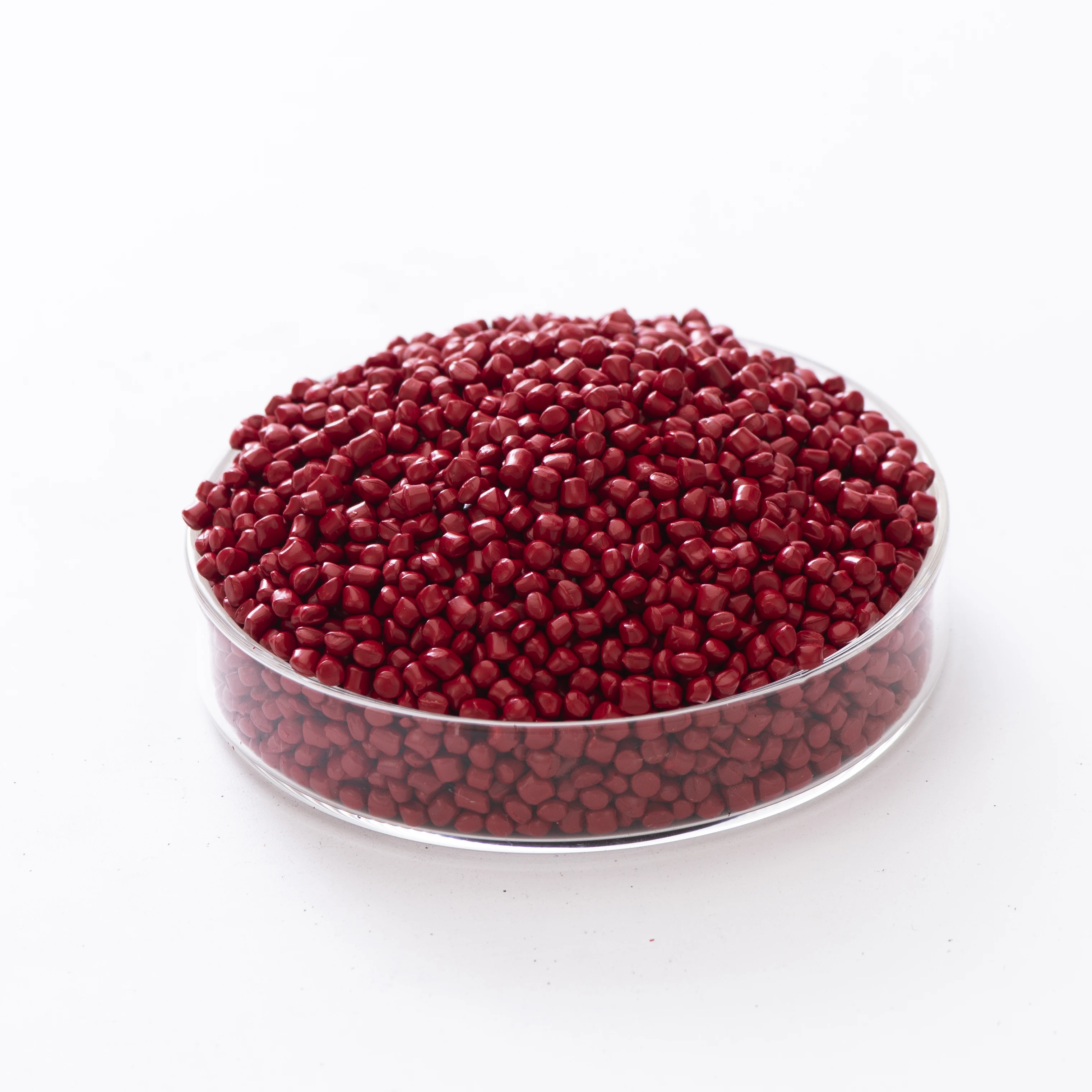
Bio-based polymers play a significant role in the formation of bioplastics. These unique polymers come from natural resources such as corn, sugarcane, and potatoes. Bio-based polymers are used as a sustainable alternative to fossil-based plastics which have a long environmental half-life. Again, because we are using natural resources, we are contributing to a waste and pollution-free planet.
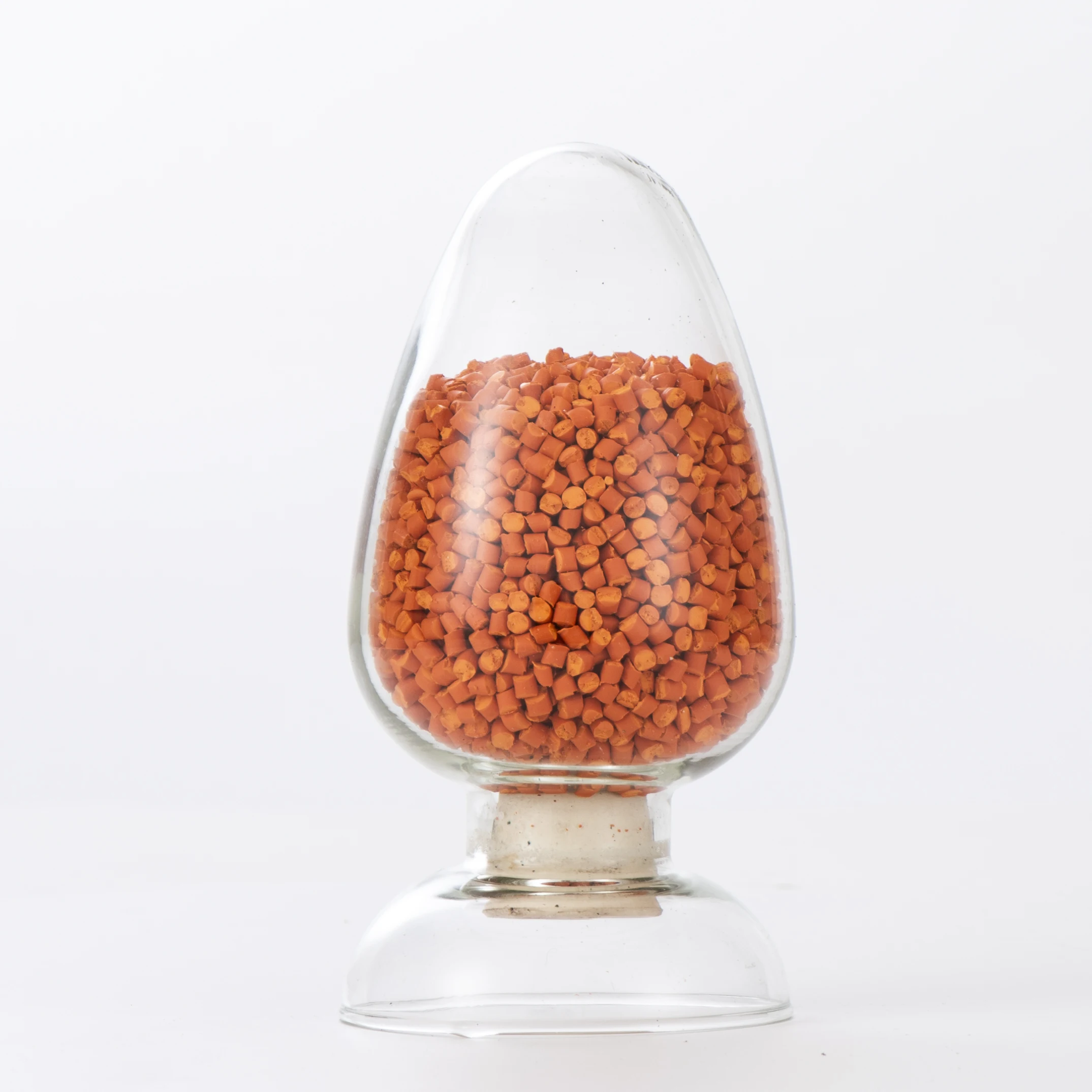
The raw materials for a greener future–EVERYONE needs to understand this! It is made with traditional plastic substitutes from plants and microorganisms that are not detrimental to our environment. These materials are biodegradable, meaning they are able to break down naturally, but they are also compostable. As such they can break down without causing any toxic materials to enter the soil or water, maintaining the purity of nature.
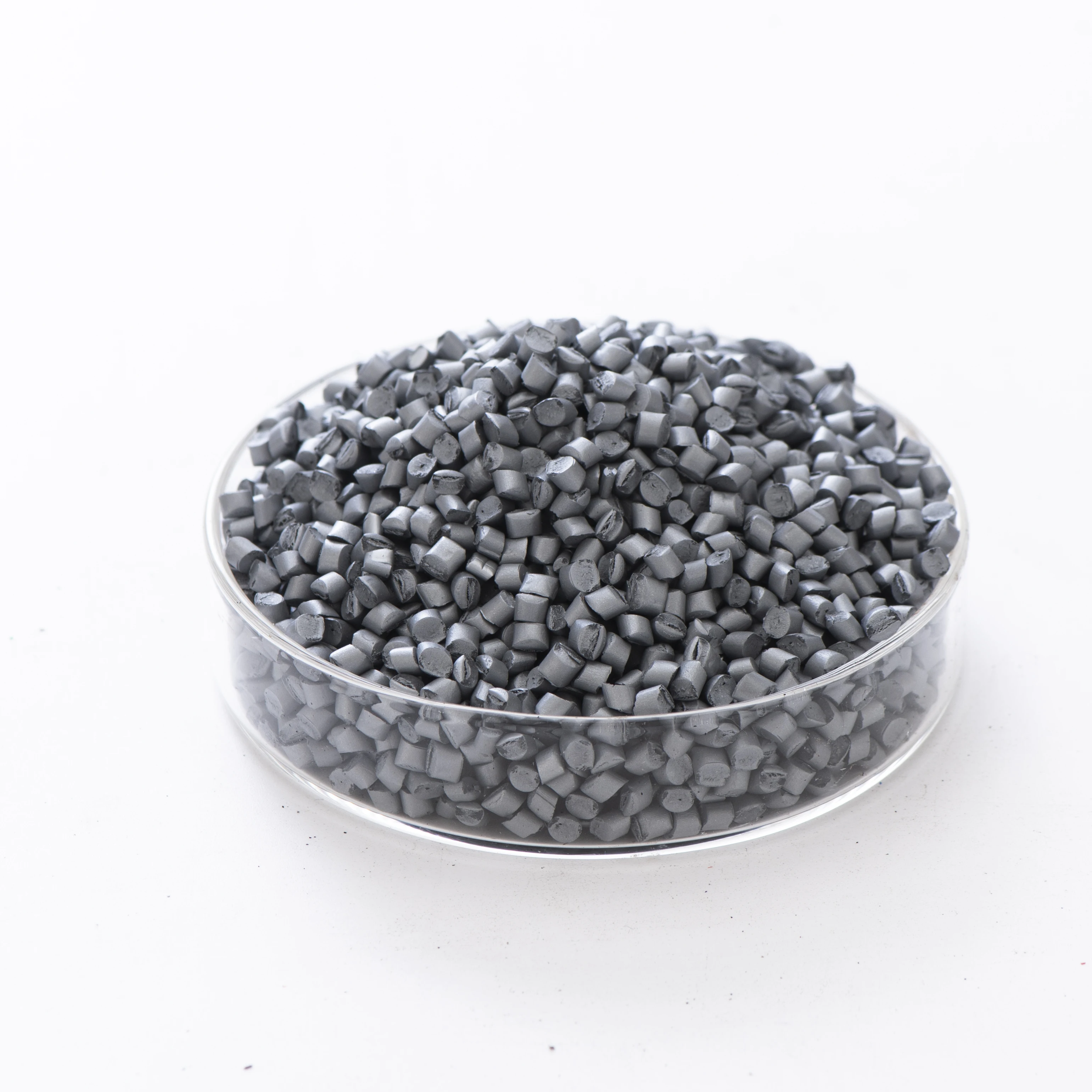
Making biodegradable plastics, which involves some microorganisms. A prime example of this is the bioplastic Polyhydroxyalkanoate (PHA). PHA bioplastics are produced by feeding certain types of bacteria sugar. The sugar is eaten by the bacteria, in the process the bacteria creates what is known as PHA," a material that can be used to manufacture biodegradable plastic products. This process demonstrates how we can collaborate with nature to develop products that are healthier for the planet.

Copyright © Yuezheng Plastic Color Masterbatch (Dongguan) Co., Ltd. All Rights Reserved
 EN
EN