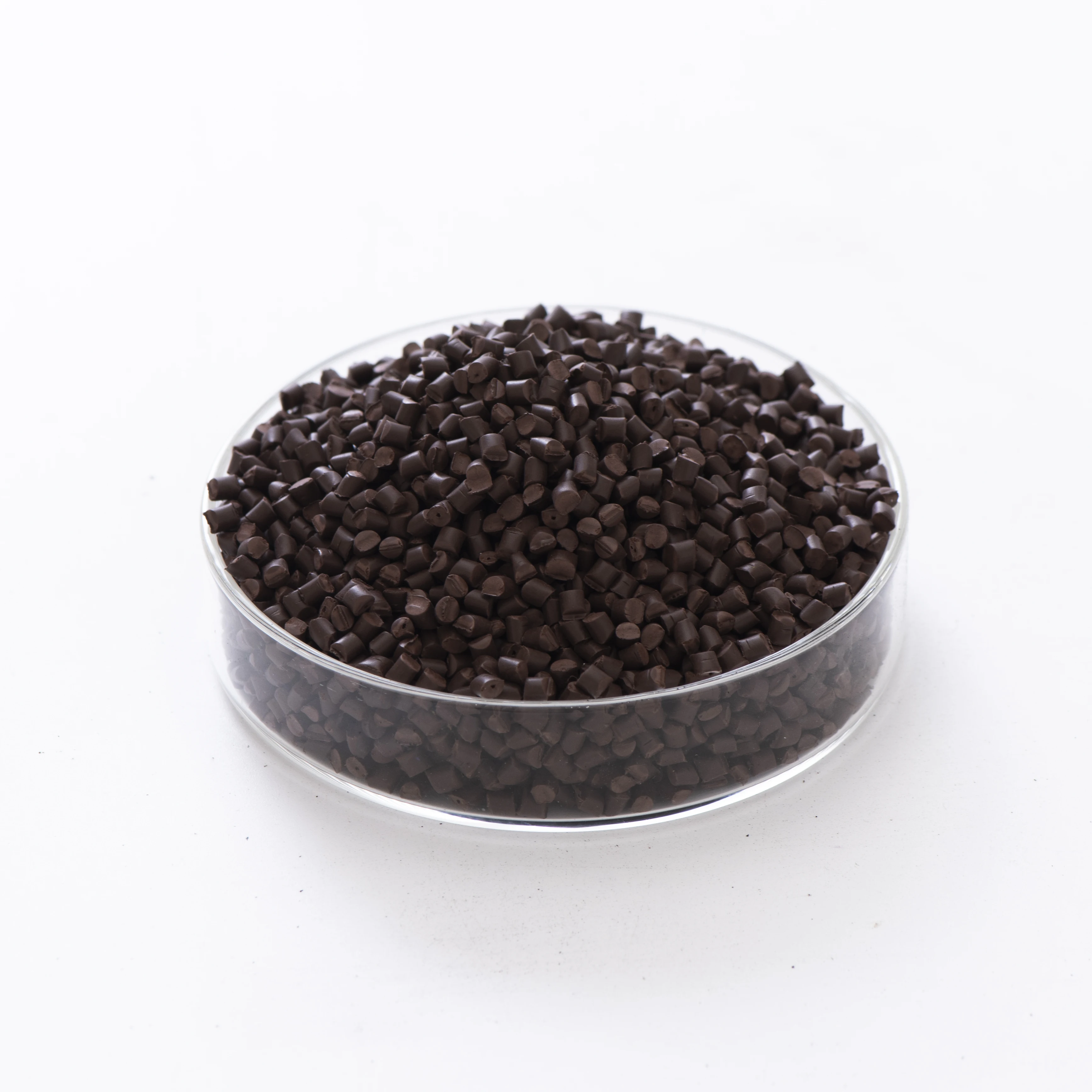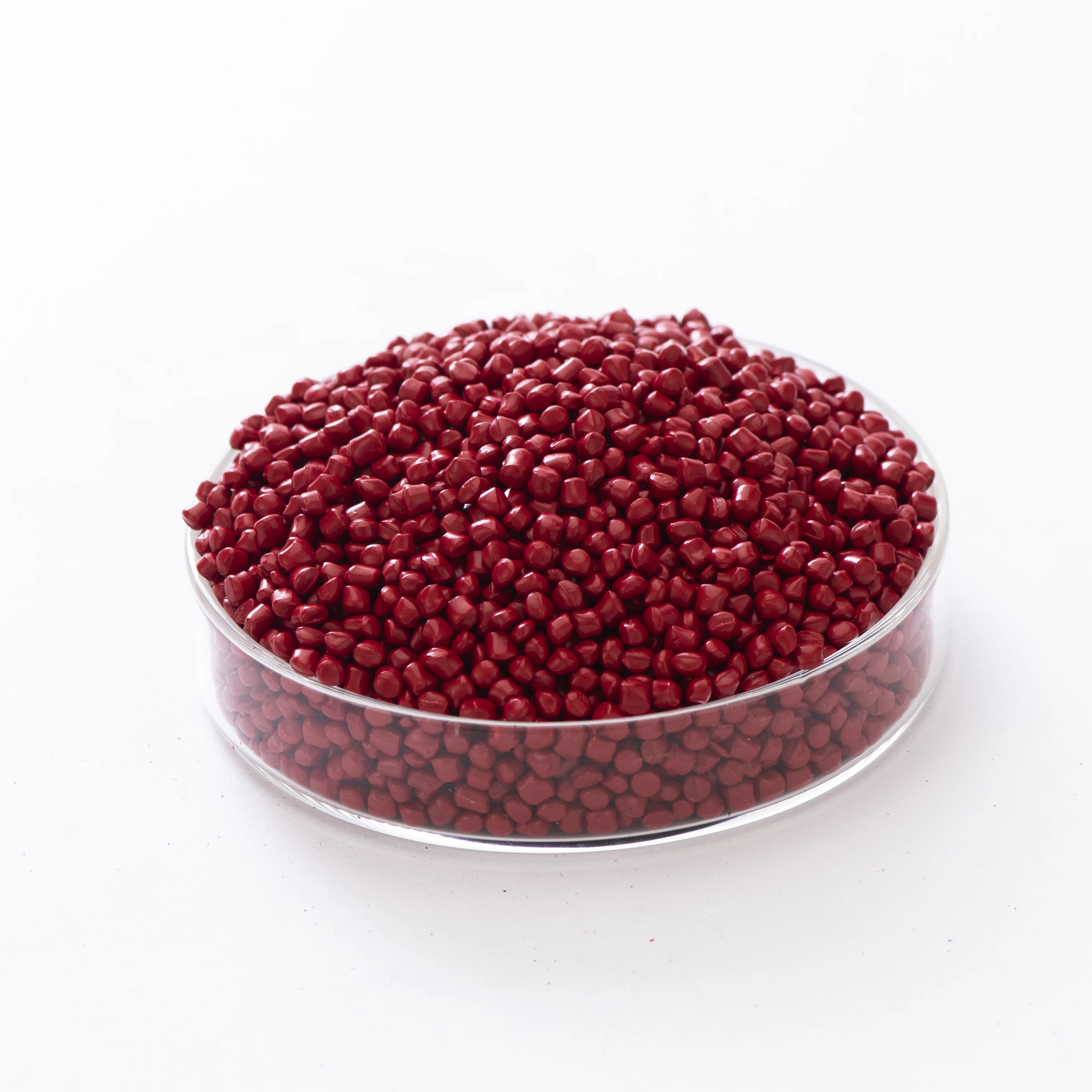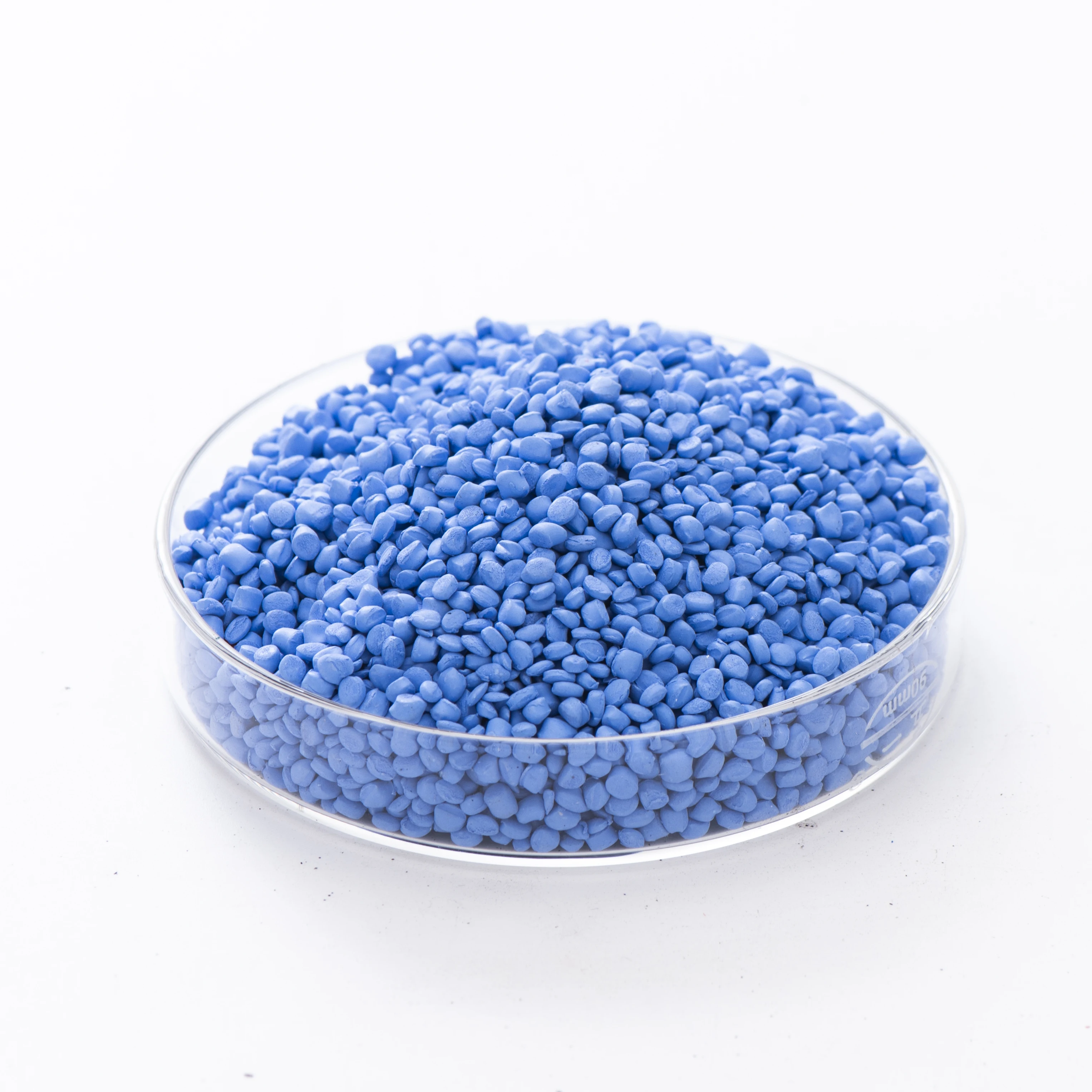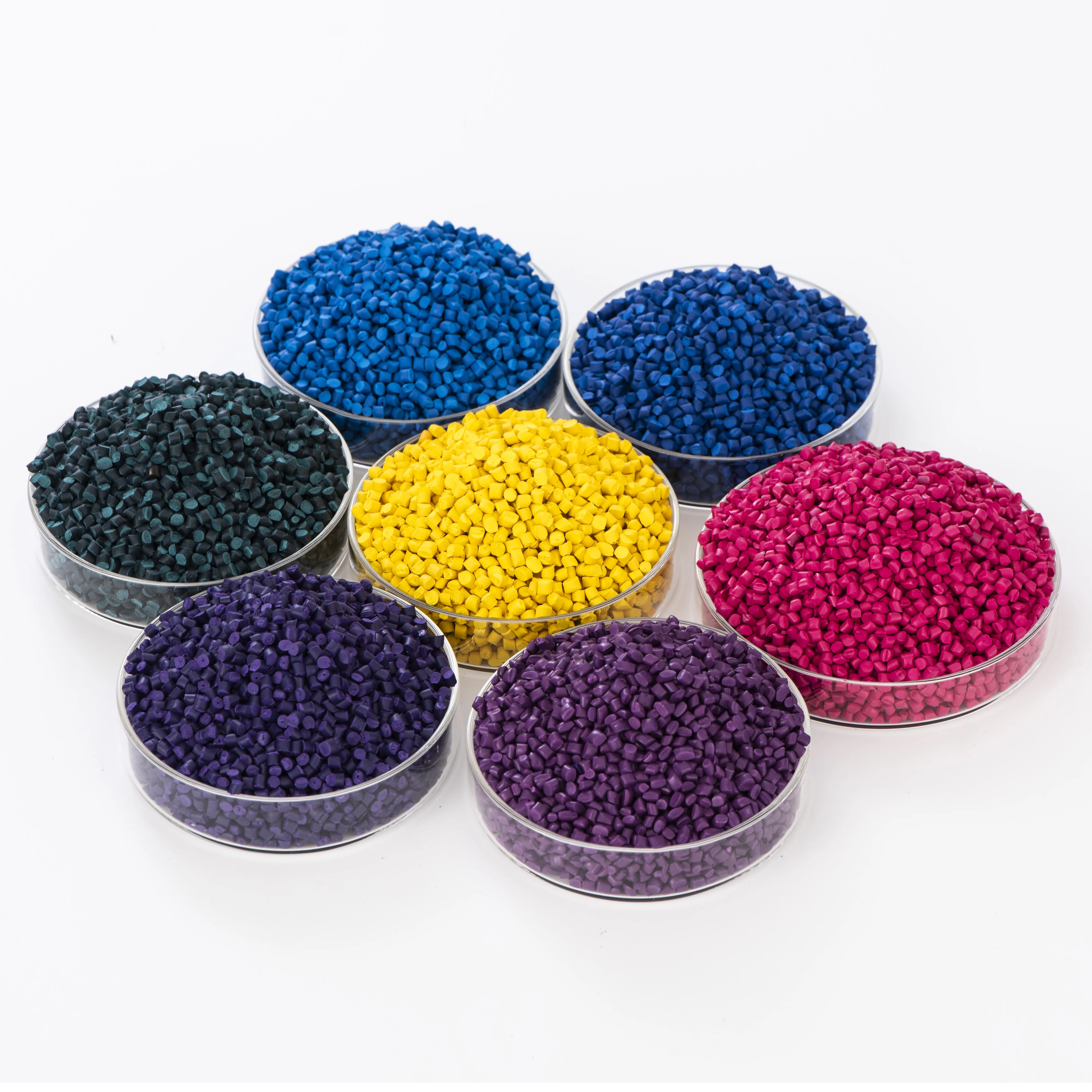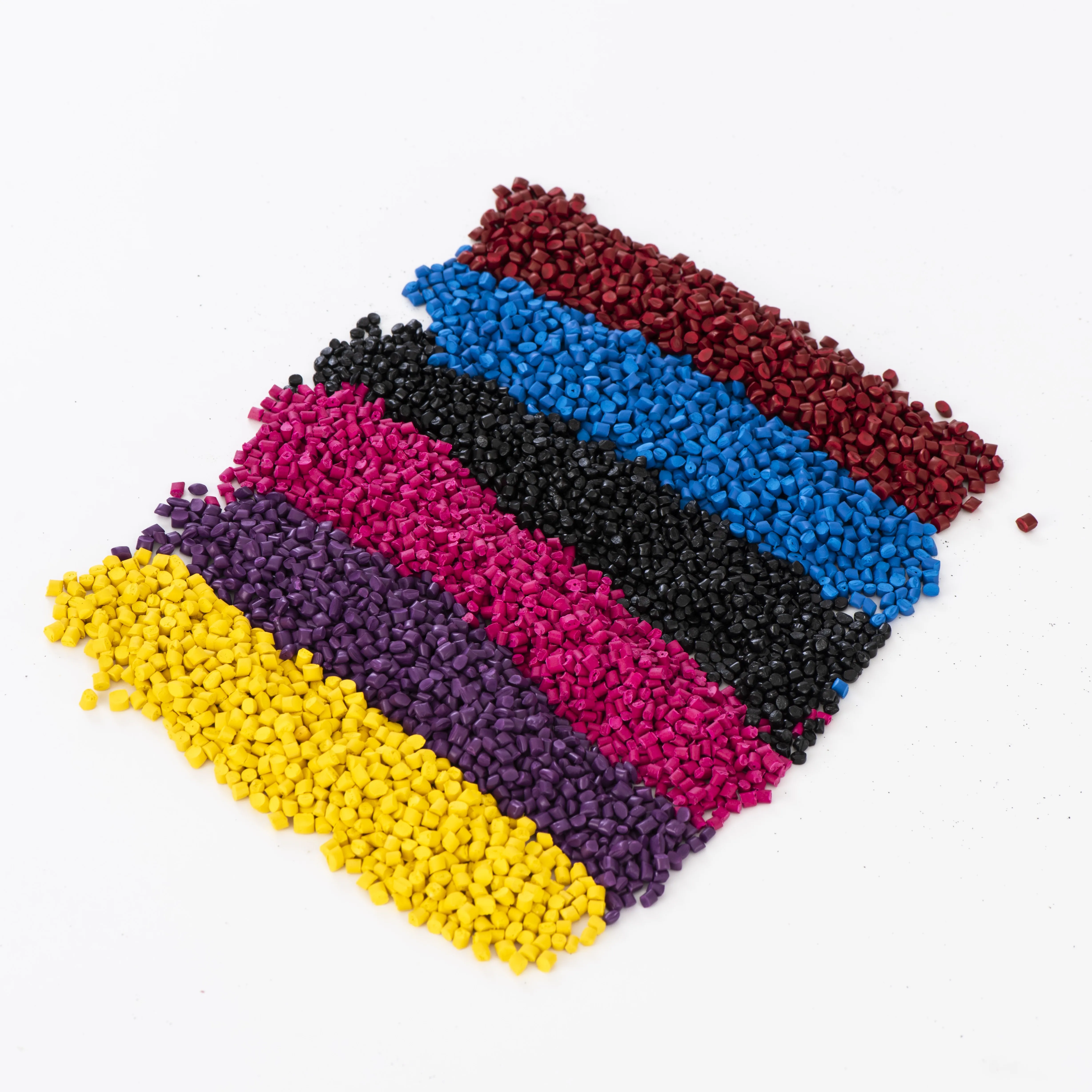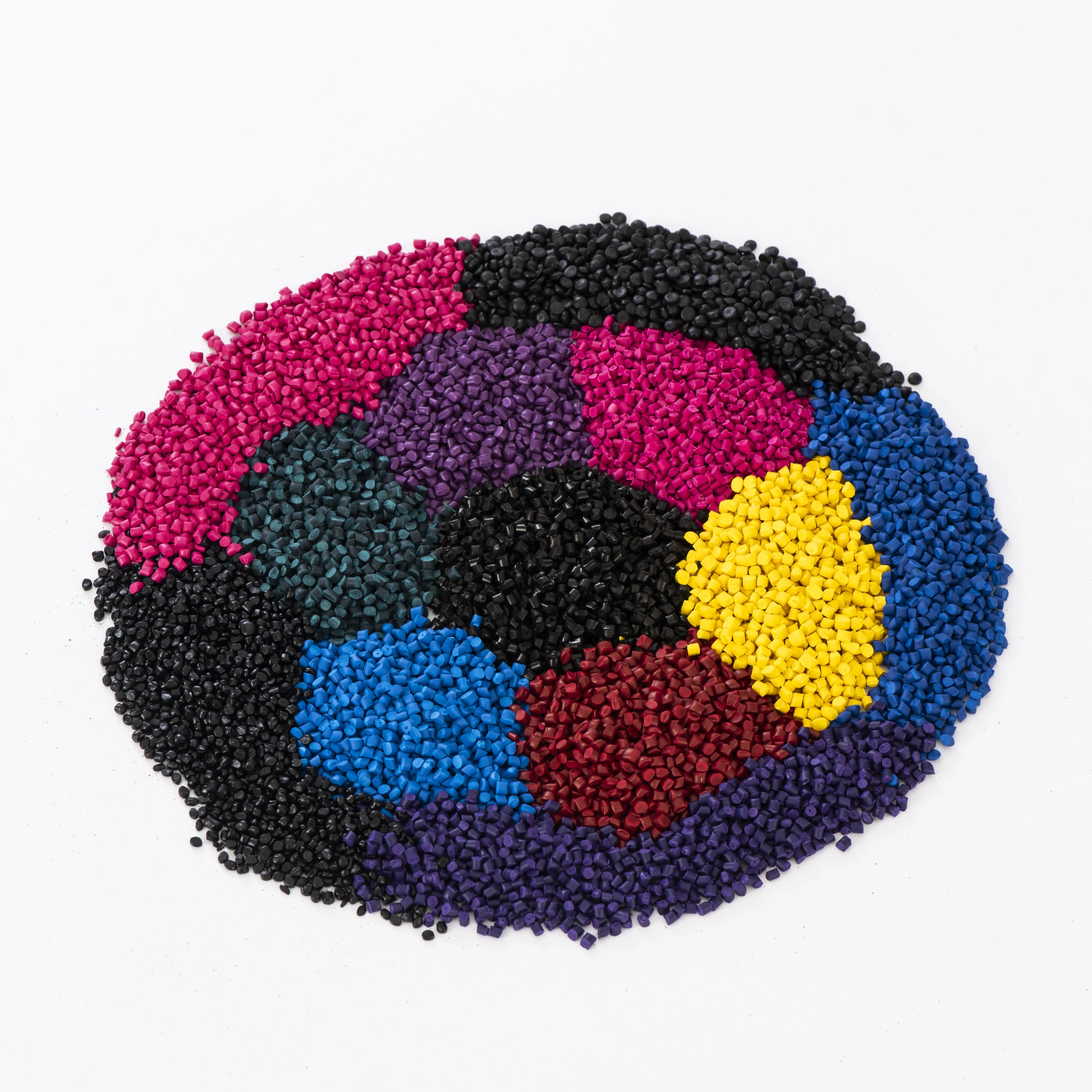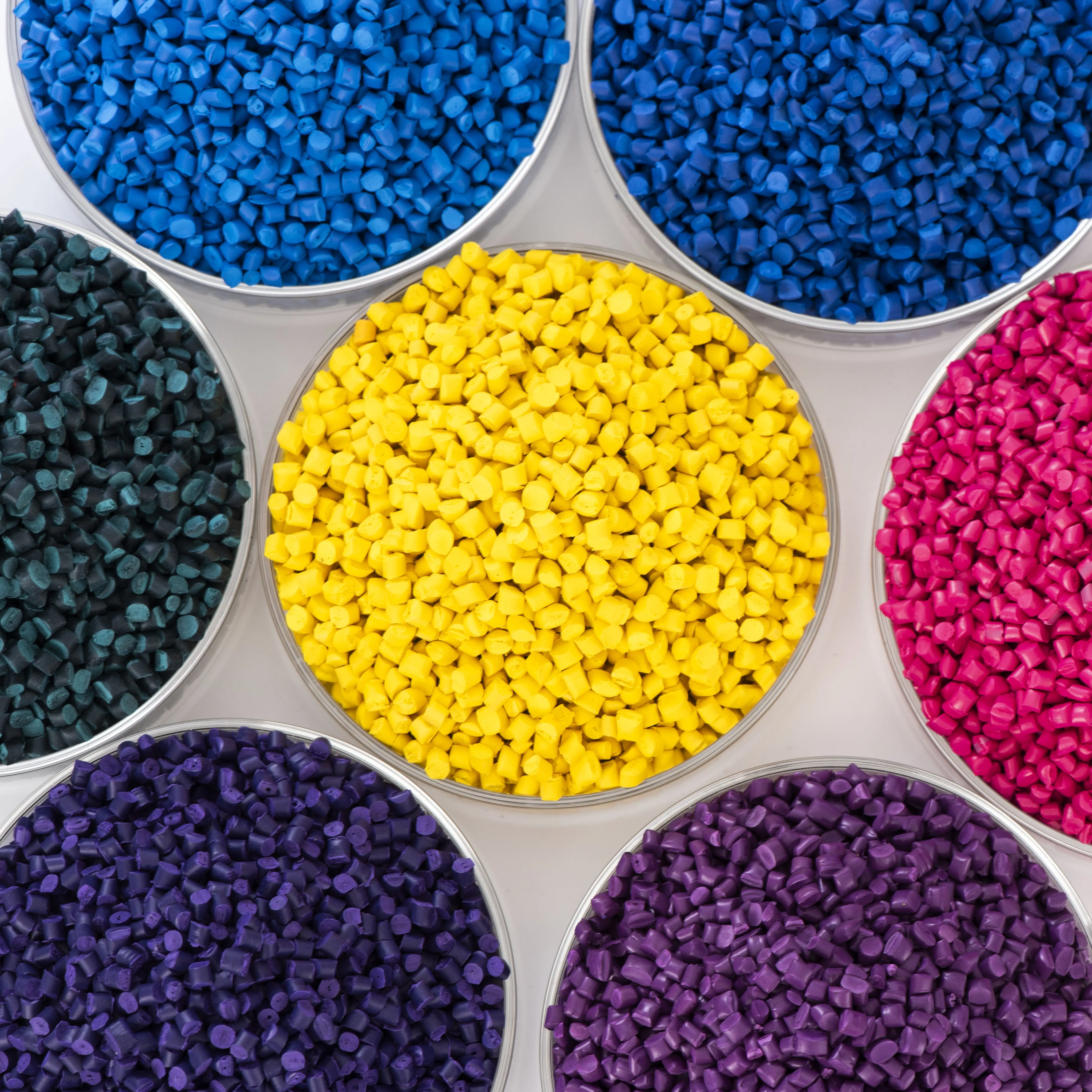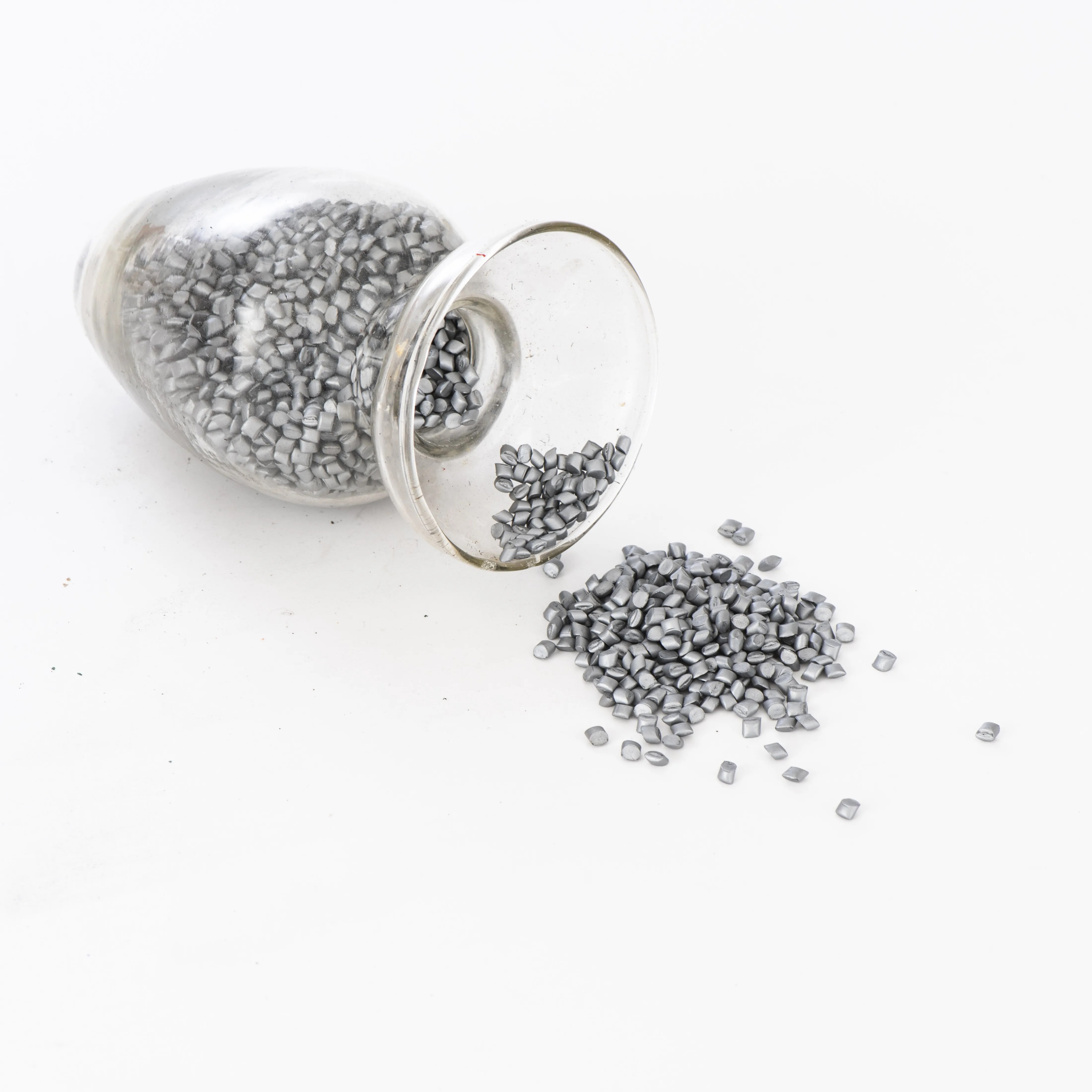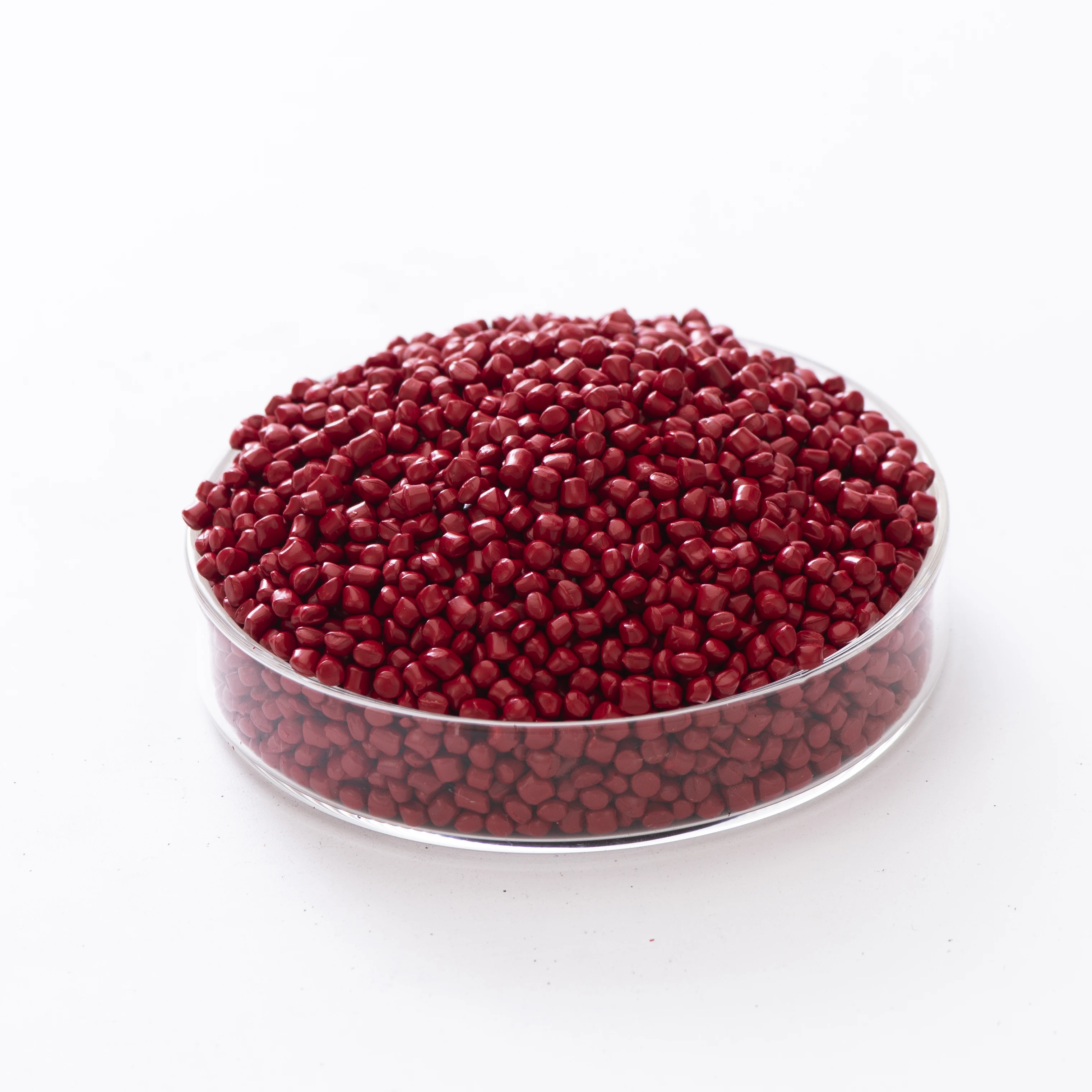
Hello, friends! Today, we are going to know about what are the things that are used to make plastic. We encounter plastic in many of the things that we see every day. PLACEHOLDER-ENDSYSTEM We think it is essential to know where plastic originates and how it is produced. So, without further ado, let’s get into this exhilarating subject matter!
Plastic is made with several different raw materials, but the most common are crude oil and natural gas. This is a very special material because it has something that they call hydrocarbons. This is crucial, as hydrocarbons are the base elements needed to synthesize plastic. The process we utilize to form plastic is called polymerization. This process transforms the hydrocarbons into long chains called polymers. These long chains are the secret to plastic’s remarkable strength and longevity, which is part of the reason it’s so widely used.
Now, let me discuss monomers. Monomers are the little bits that link together to form plastic. You can think of monomers like the small Lego blocks you use to make a huge Lego creation. A polymer is made up of many individual blocks called monomers, which are like monomer bricks. This is queues similar to how Lego blocks can interconnect to create something huge and strong. There are various types of monomers which we can use to polymerization to produce the desired polymer to make a particular type of plastic.
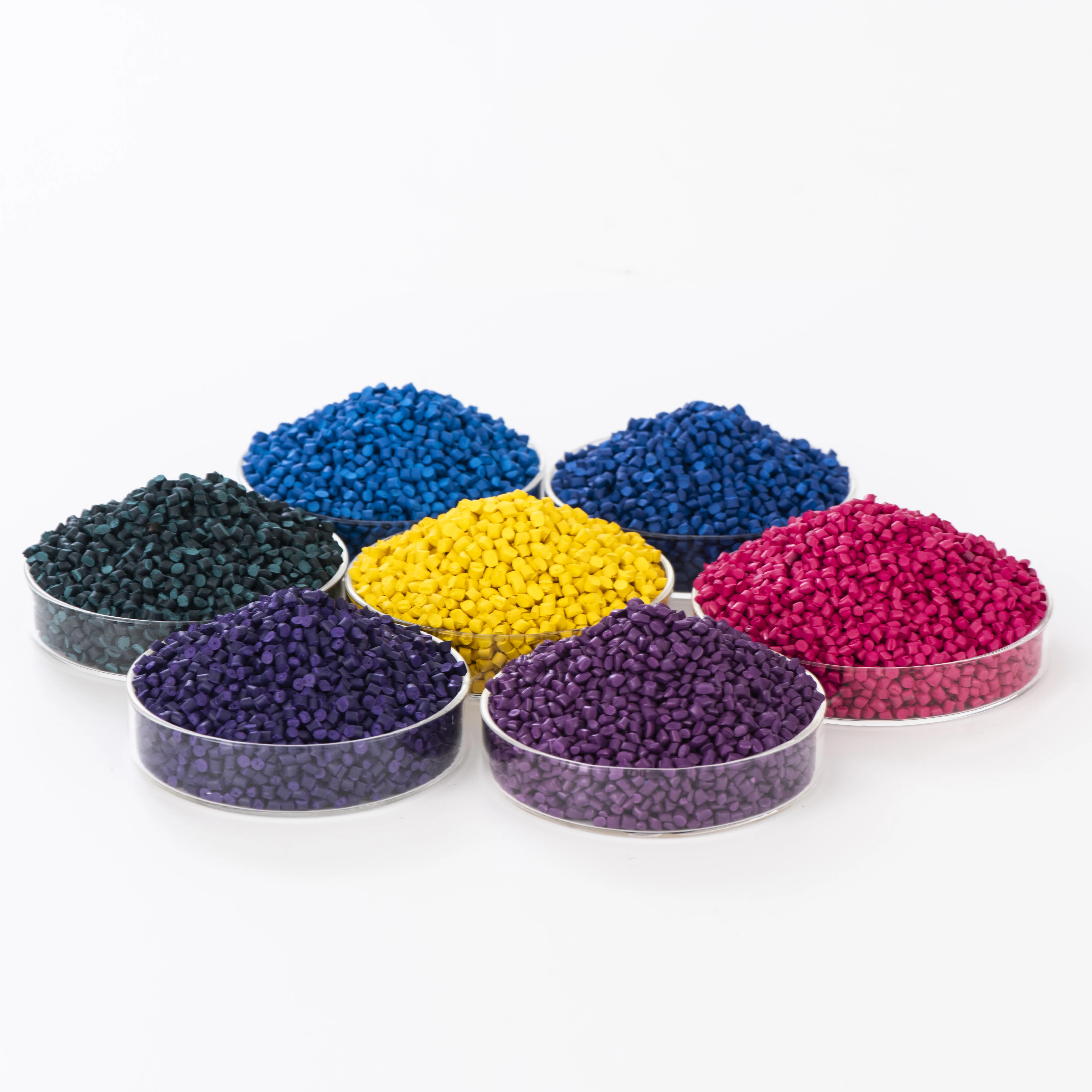
The first step in creating plastic is the extraction of crude oil and natural gas from the earth. We need the materials, but then now we've got to separate the hydrocarbons from the rest of it. This is a crucial step, as we want to only feed on the hydrocarbons to produce our plastic. Next they are taken to a special factory known as a petrochemical plant. The hydrocarbons undergo several treatments at this plant. They can be heated or forced under pressure to form monomers and polymers. After these are created, they are shipped off to other factories where they can be used to create all kinds of plastic products we use every day.
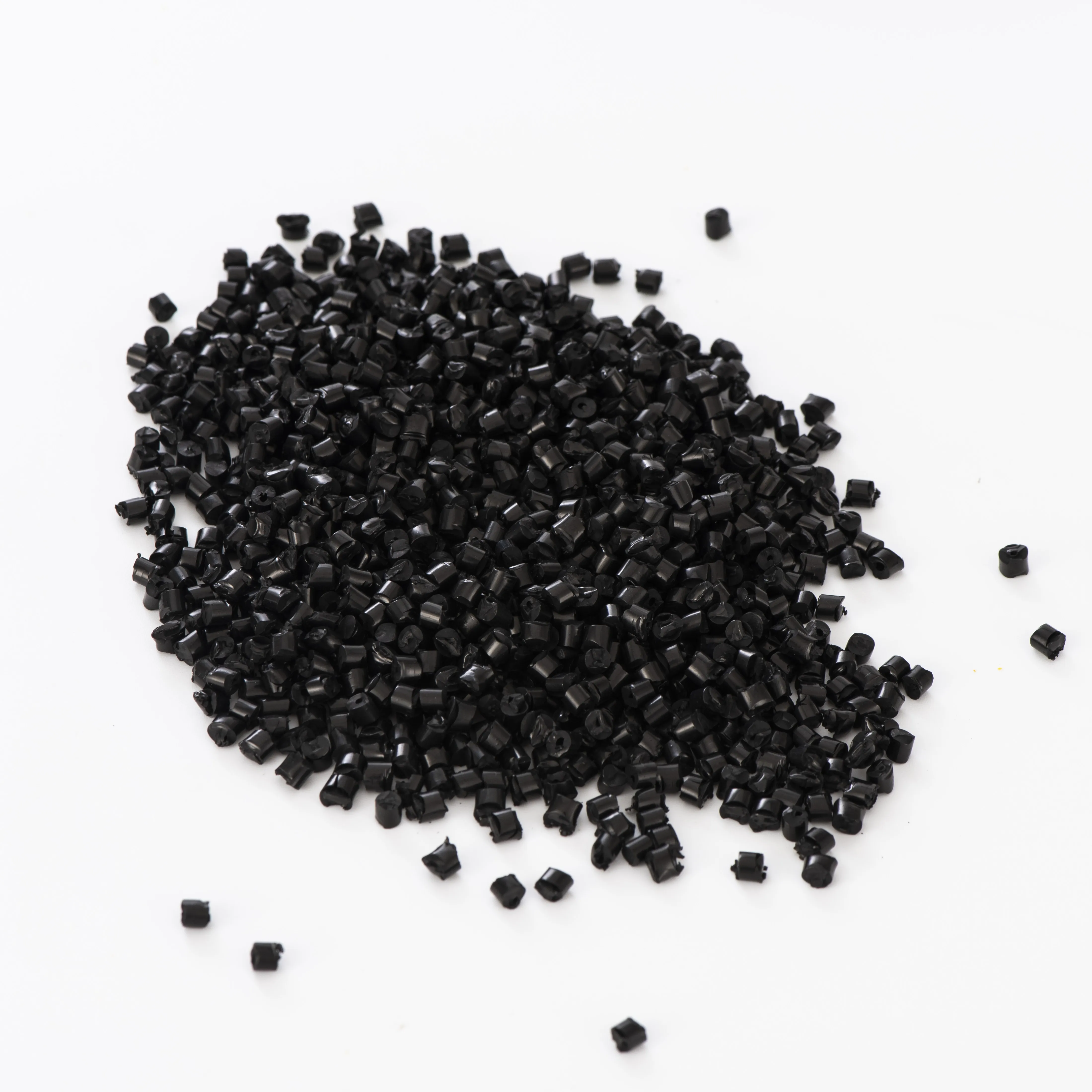
The process of plastic making involves the key element called monomers. They help to form the long chains of polymers that lend plastic its specific properties such as being tough and flexible. Additives are another option that we have (besides the monomers). Additives are chemicals that alter the properties of the plastic. For example, they can incorporate colour, adjust its texture, or enhance the strength of the plastic. Antioxidants, which extend the life of the plastic, UV stabilizers, which protect it from sunlight, and plasticizers, which give the plastic its softness, are just a few of the many examples of additives. Therefore, it is really critical to select safe and good additives to better protect our planet and to ensure our good health.
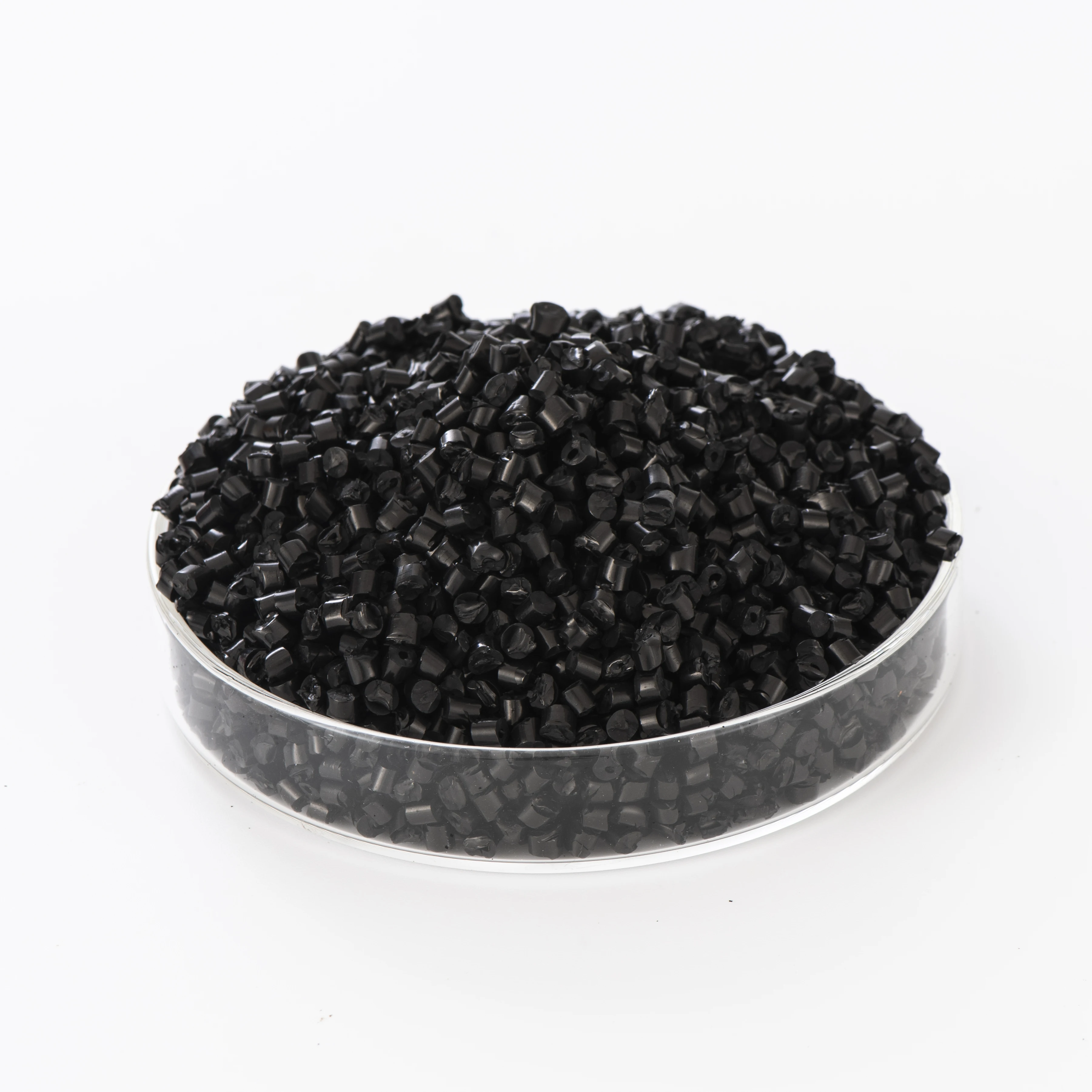
As we all know, our planet is facing several issues at the moment — for one, plastic pollution. This is why many companies, including ours, are exploring better and more sustainable materials to replace conventional plastic. Another exciting possibility is bioplastics. Unlike traditional plastics, bioplastics come from renewable resources that can be replenished naturally, such as corn starch or sugarcane. Please tell me what these materials can help here, all that plastic waste. A few exciting sustainable materials you might not consider are bamboo and hemp, both of which are also being explored as alternatives for plastic production.
Copyright © Yuezheng Plastic Color Masterbatch (Dongguan) Co., Ltd. All Rights Reserved
 EN
EN