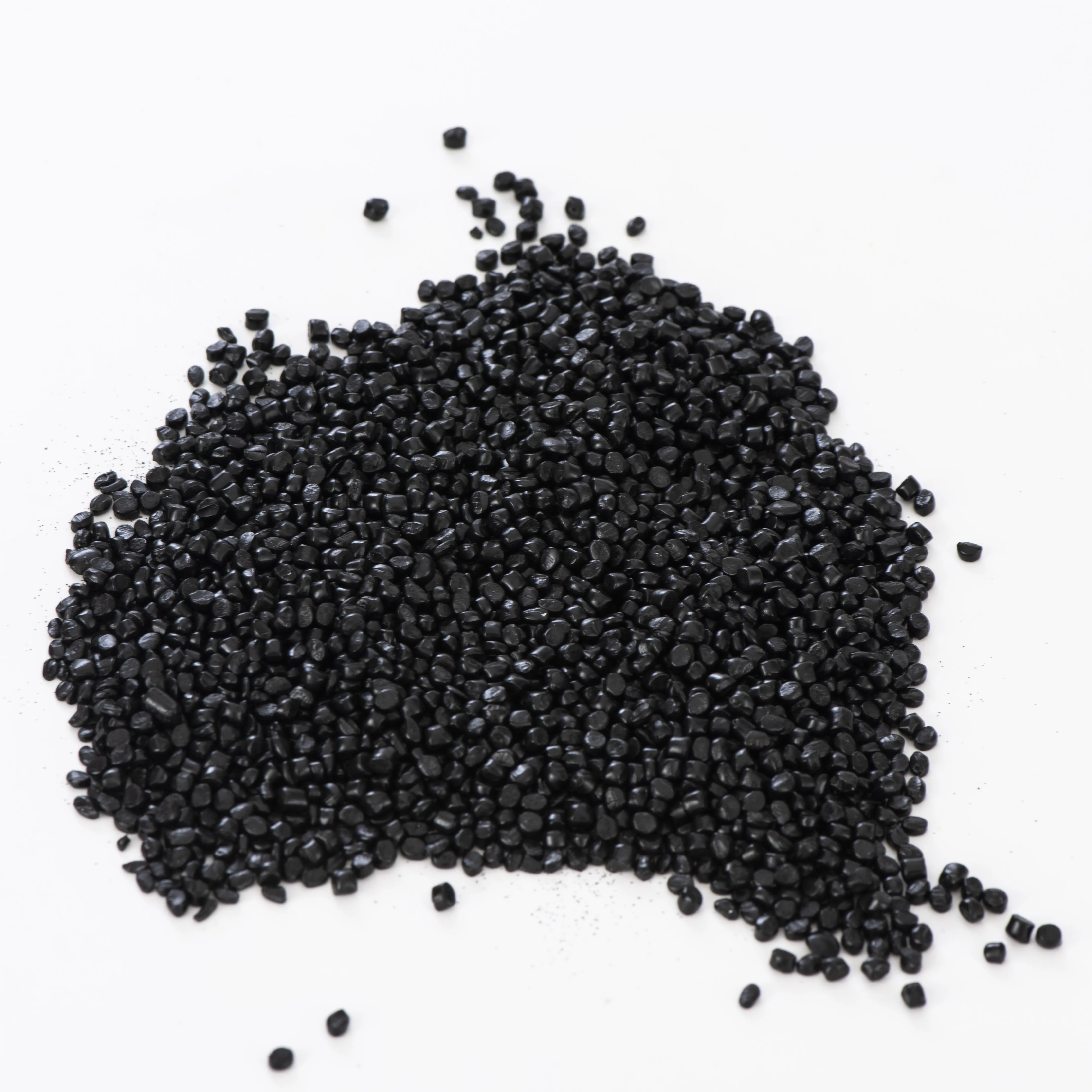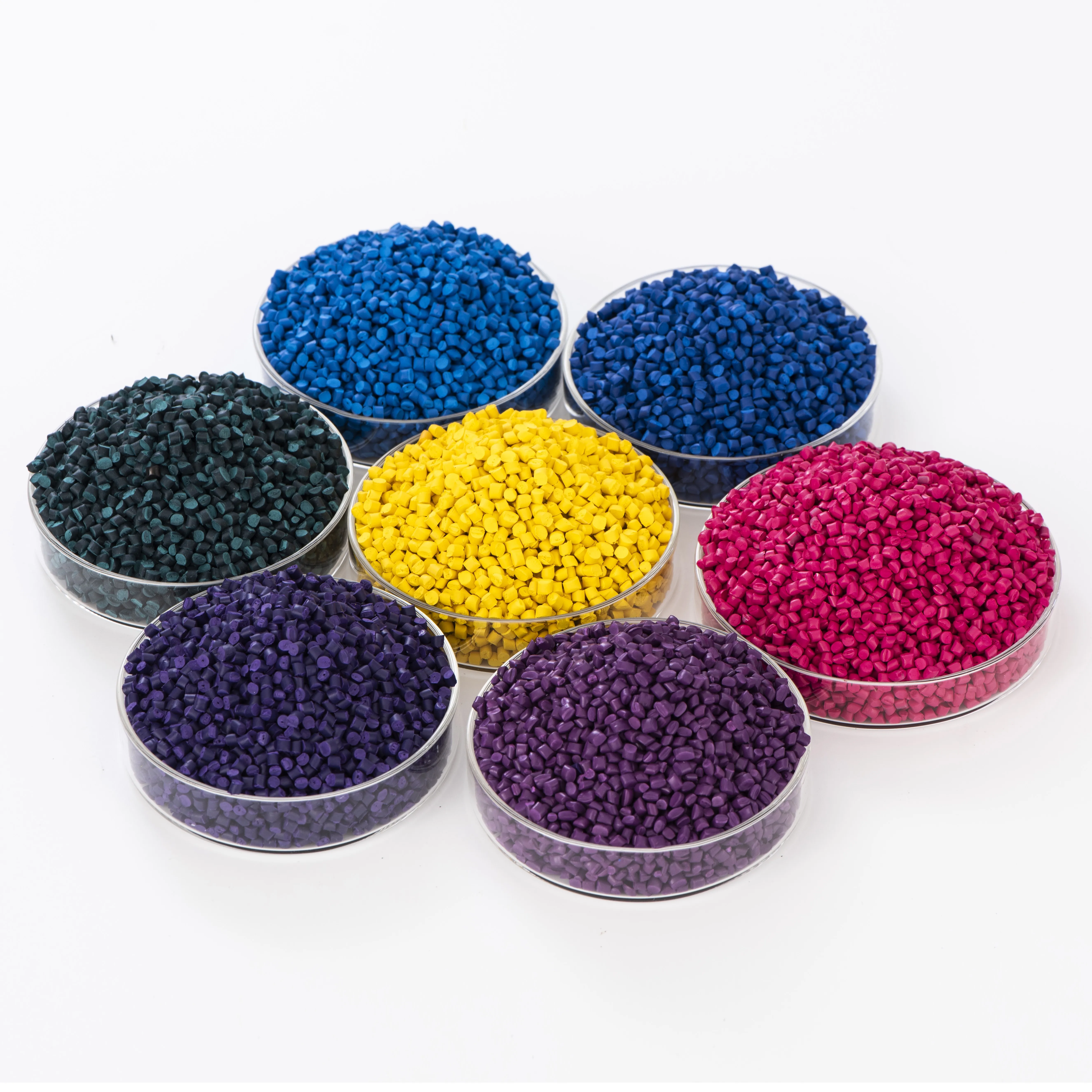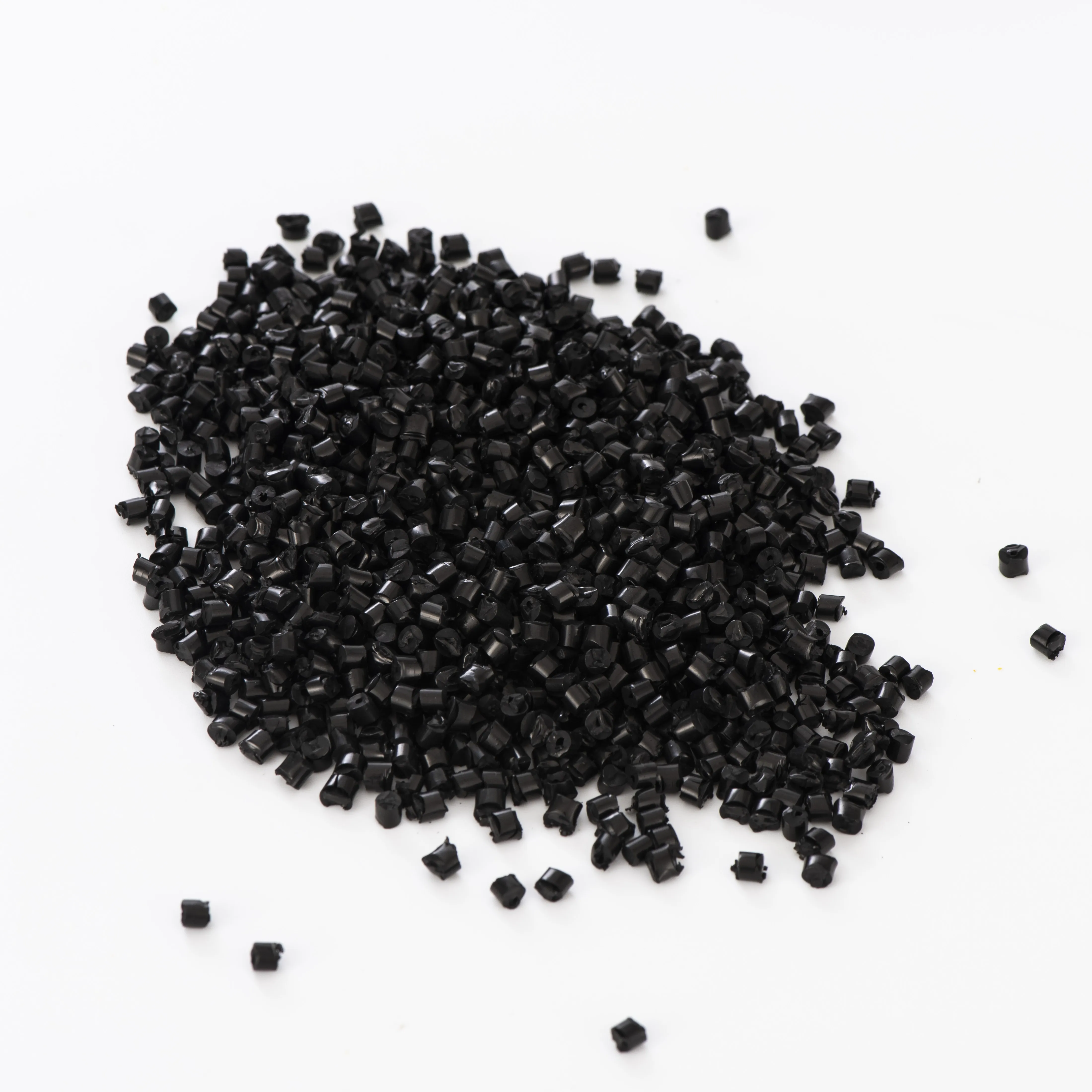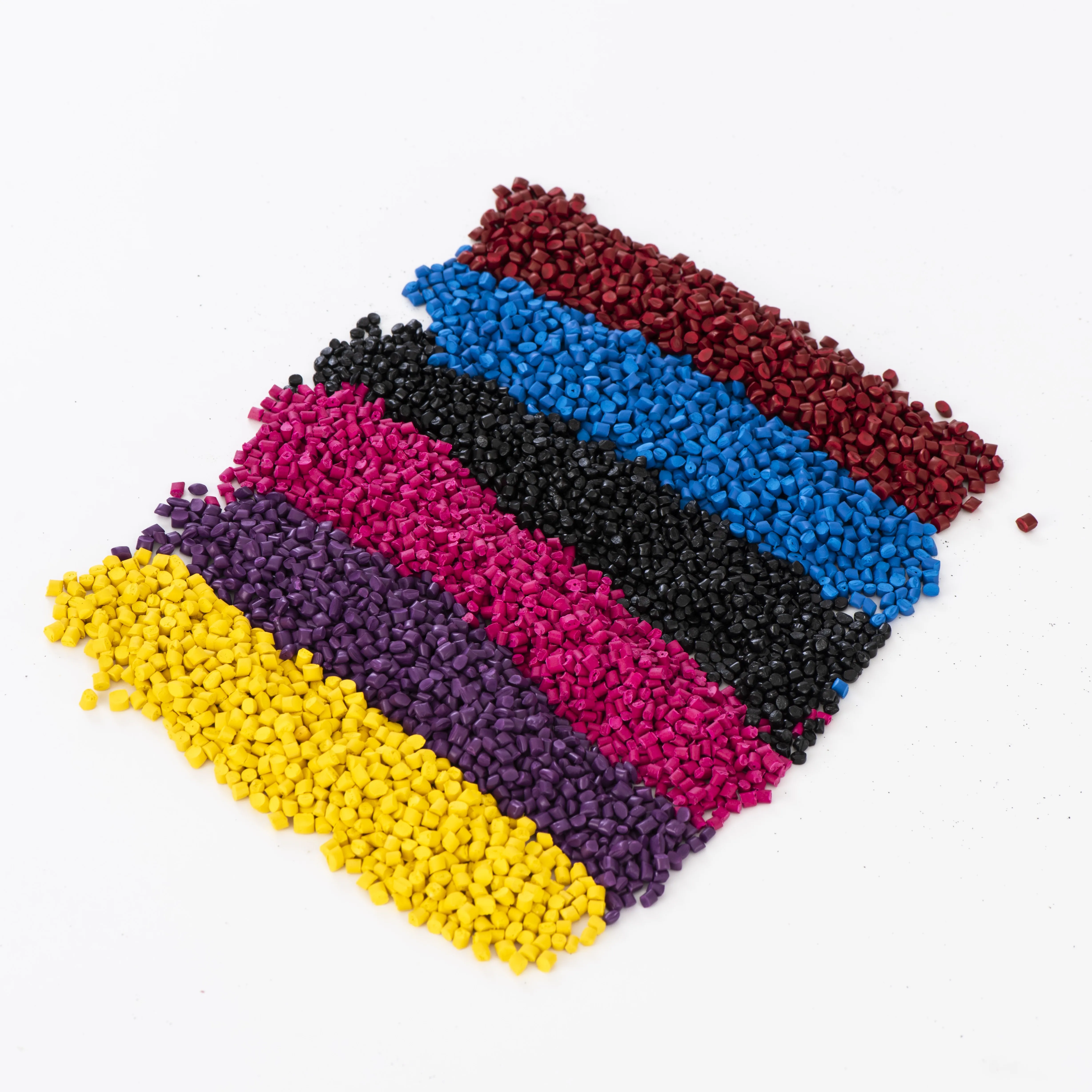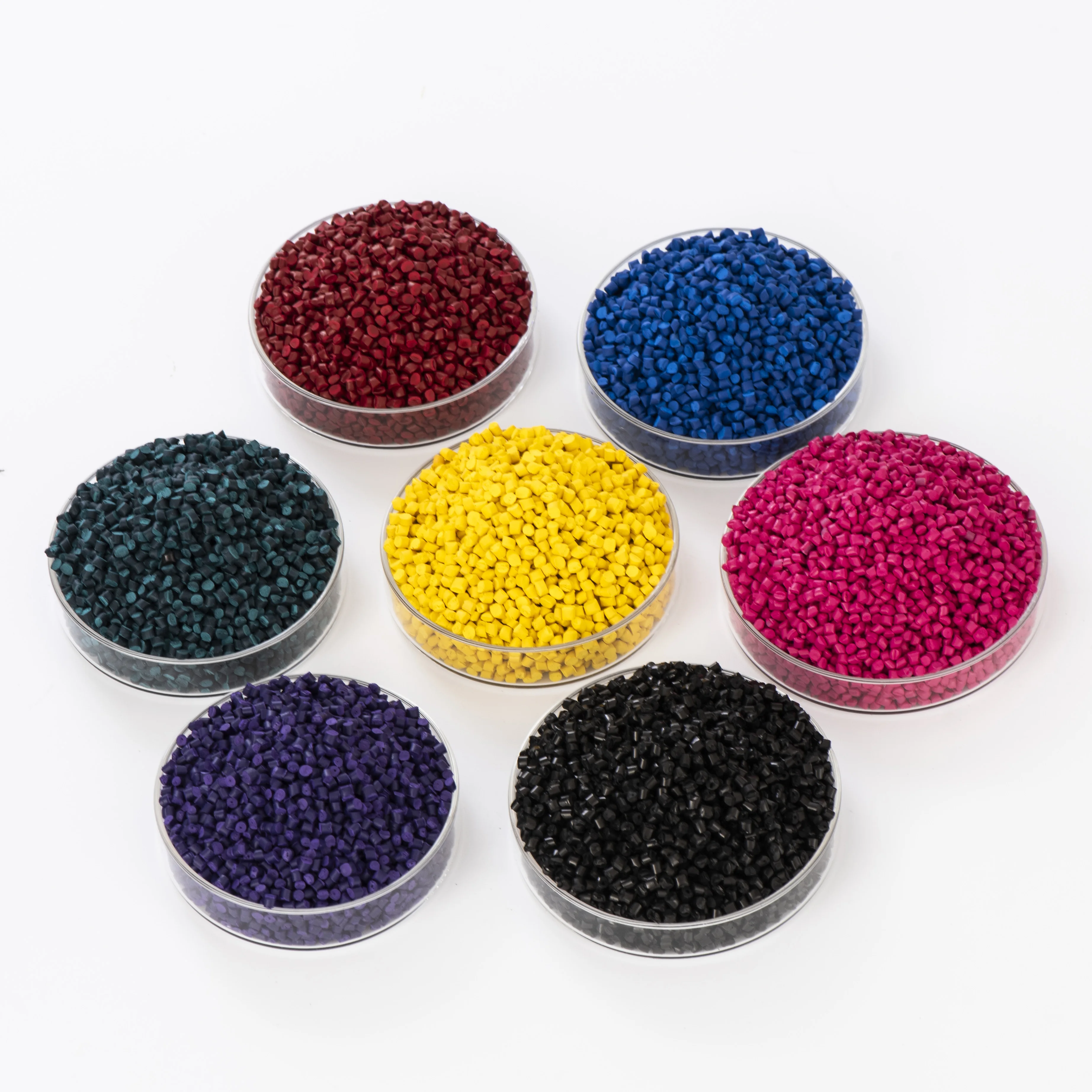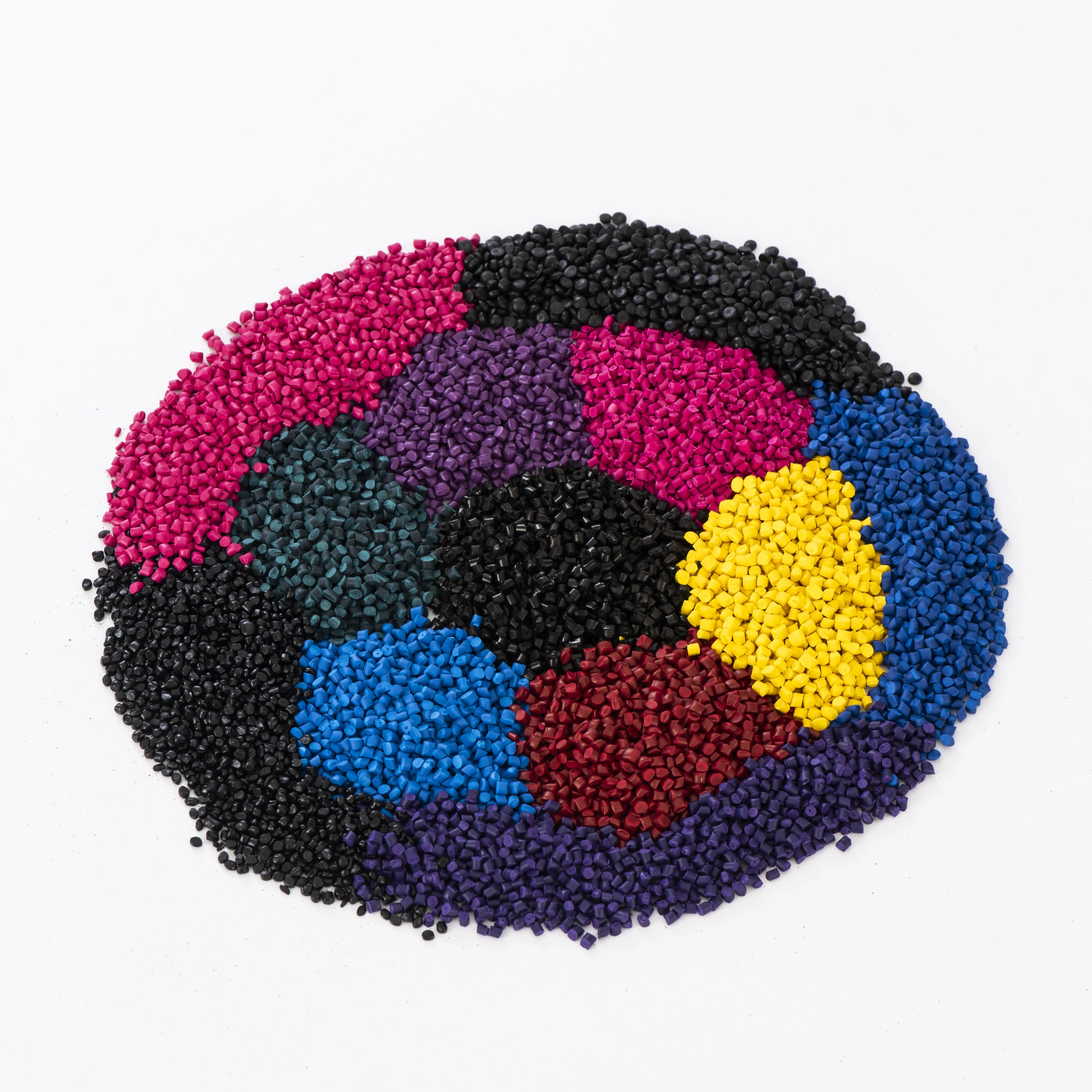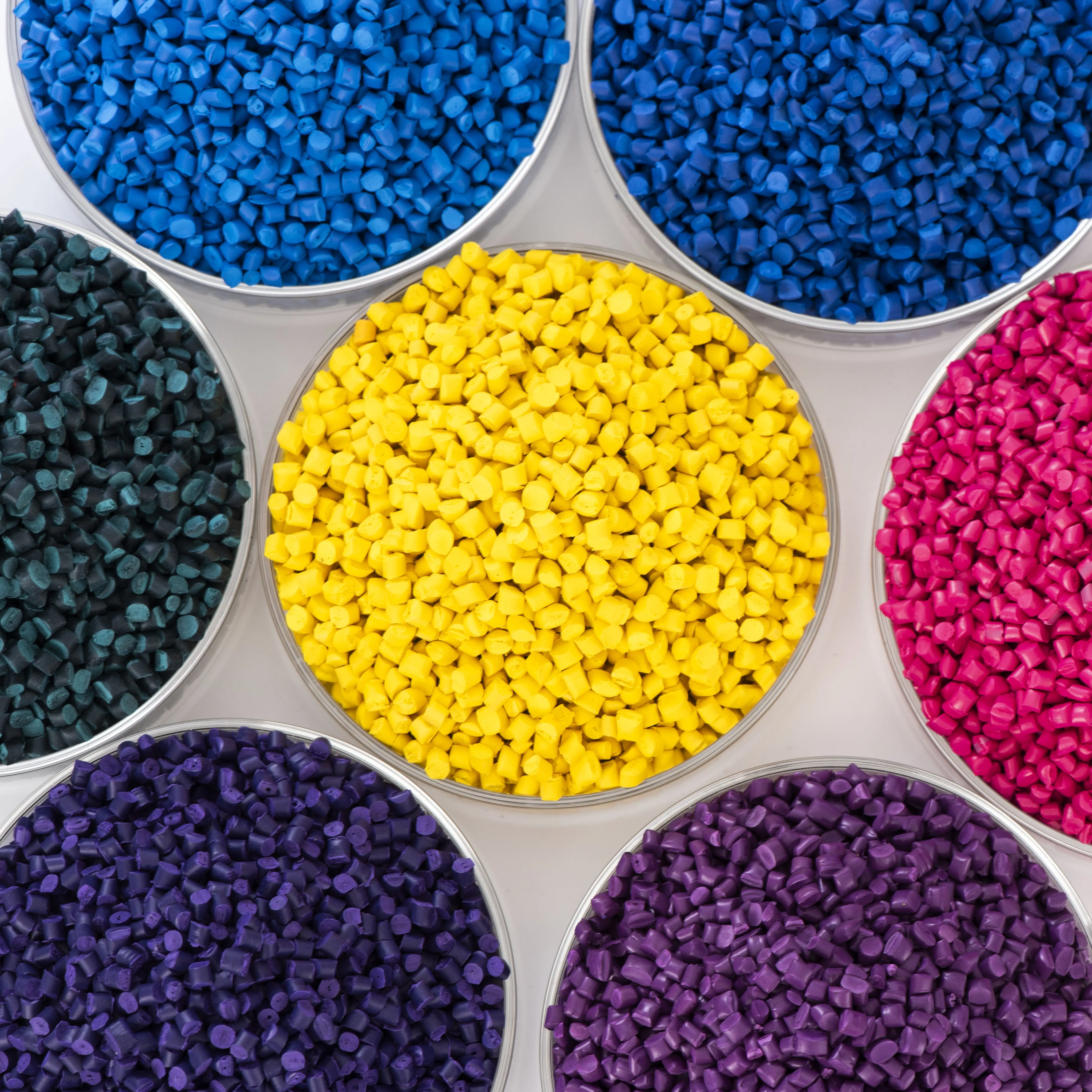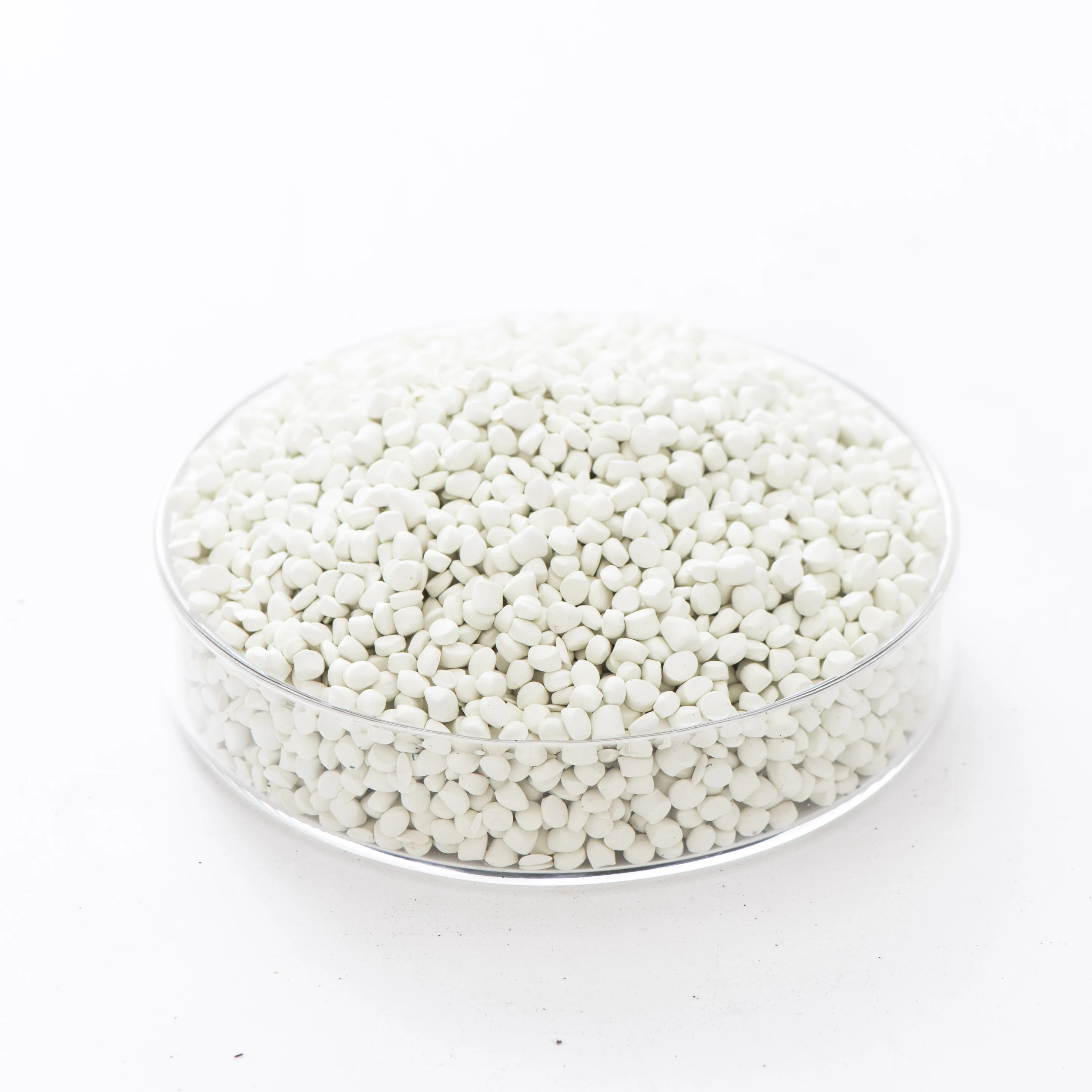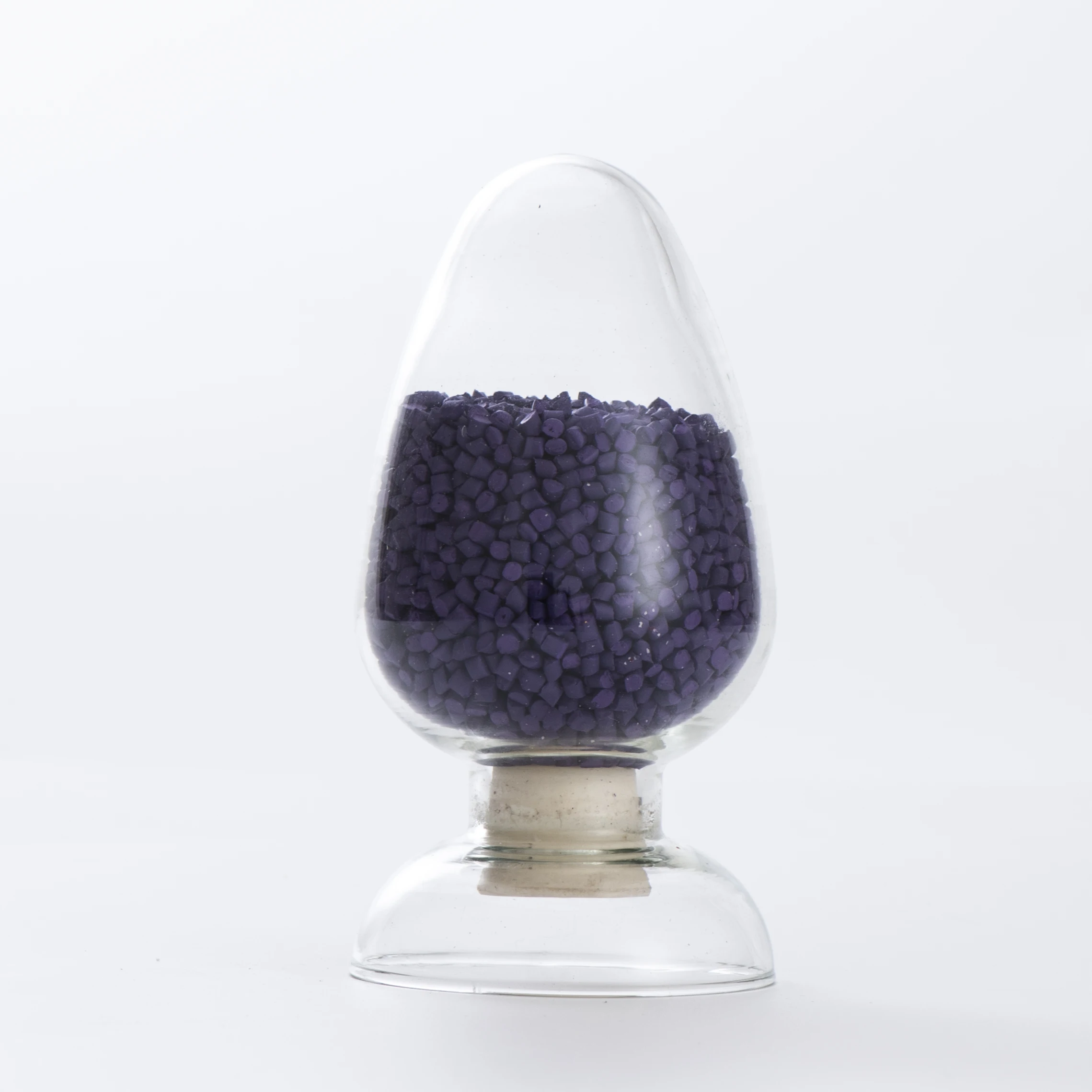
Have you ever wondered where plastic comes from? It is interesting to learn that plastic comes from natural materials that come from around the world. These materials are similar to the raw material needed to make the building blocks of plastic granules. Many of the plastic consumer products we see and use every day, such as water bottles, toys, and automotive parts, are made using these granules. It’s fascinating to think that something so ubiquitous is manufactured from specialized materials.
First, we gather the raw materials to create plastic granules. Workers then sort them according to their type and quality after collecting them. The sorting process is essential to ensure it only consists of higher quality materials. Others — oil, for example — need to be cleaned and refined before they can become plastic. The implication is that they are purified through dedicated processes and therefore pure and suitable for use.
When everything is sorted and cleaned up, all the materials get mixed in a big container. They are then, heated to extremely high temperatures. As the materials heat up, they begin to melt and fuse. And this melting is interesting, because it converts the media from solid to liquid. Once the materials have melted and blended thoroughly, the hot mix is tipped into a cooling section. In this cooling region, it cools and hardens into a solid. That solid chunk of plastic is then shredded into tiny granules, which can be used to fill a number of products.
With a growing desire for plastic products among the population, companies are seeking innovative and exciting pathways to obtain the goods they require. So some companies are turning trash — think old plastic bottles or recycled tires — into new plastic products. Which reduces waste and aids the environment. By employing existing materials, companies can create new products without necessarily extracting more from the ground.
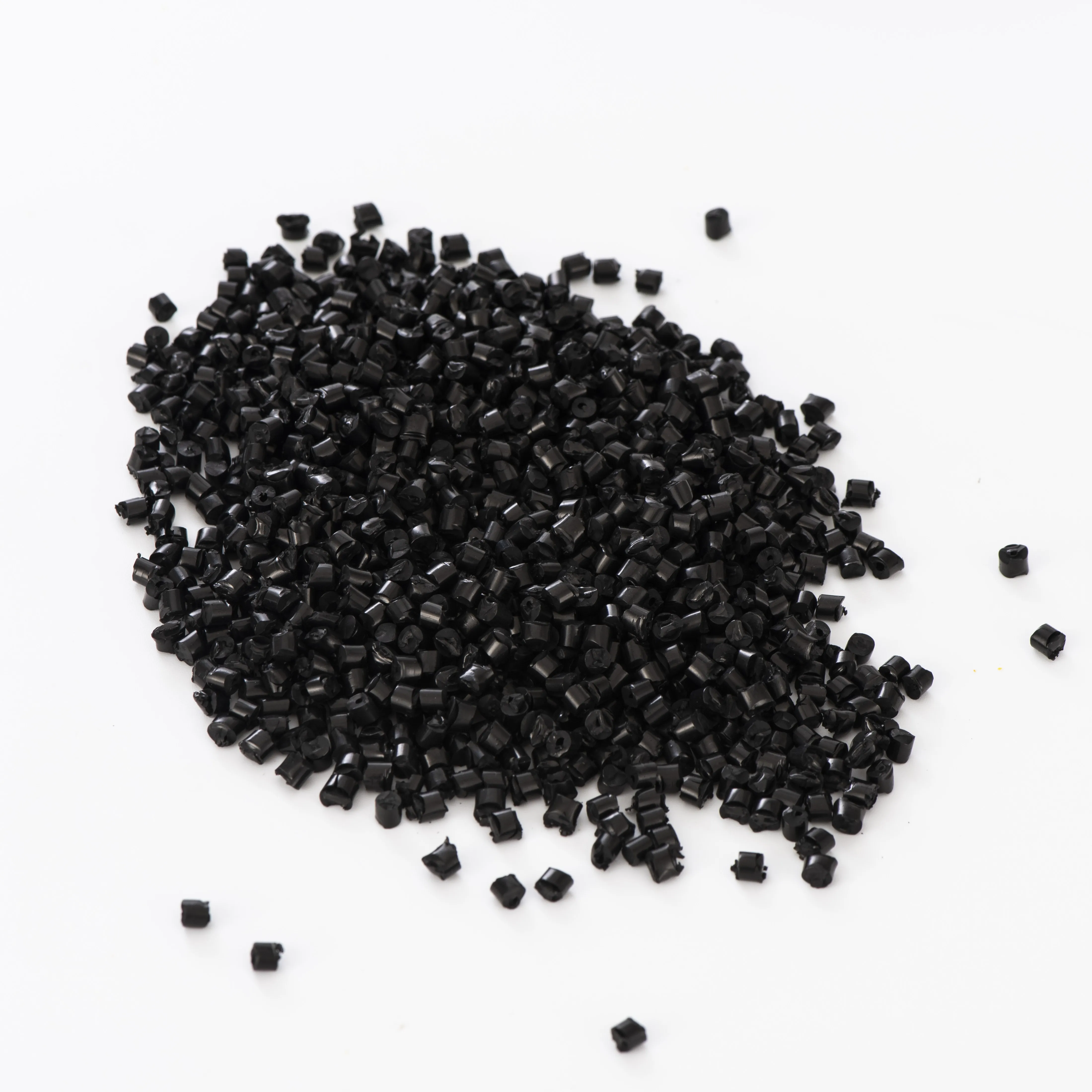
A new source of plastic is bioplastics. Bioplastics are unique because they are derived from plants such as corn or soybeans. They differ from typical plastic in that they can regrow and biodegrade. Because they are more environment-friendly, this means bioplastics do not pollute the planet when they are discarded. This is a significant development in achieving sustainability and greening of the plastic industry.
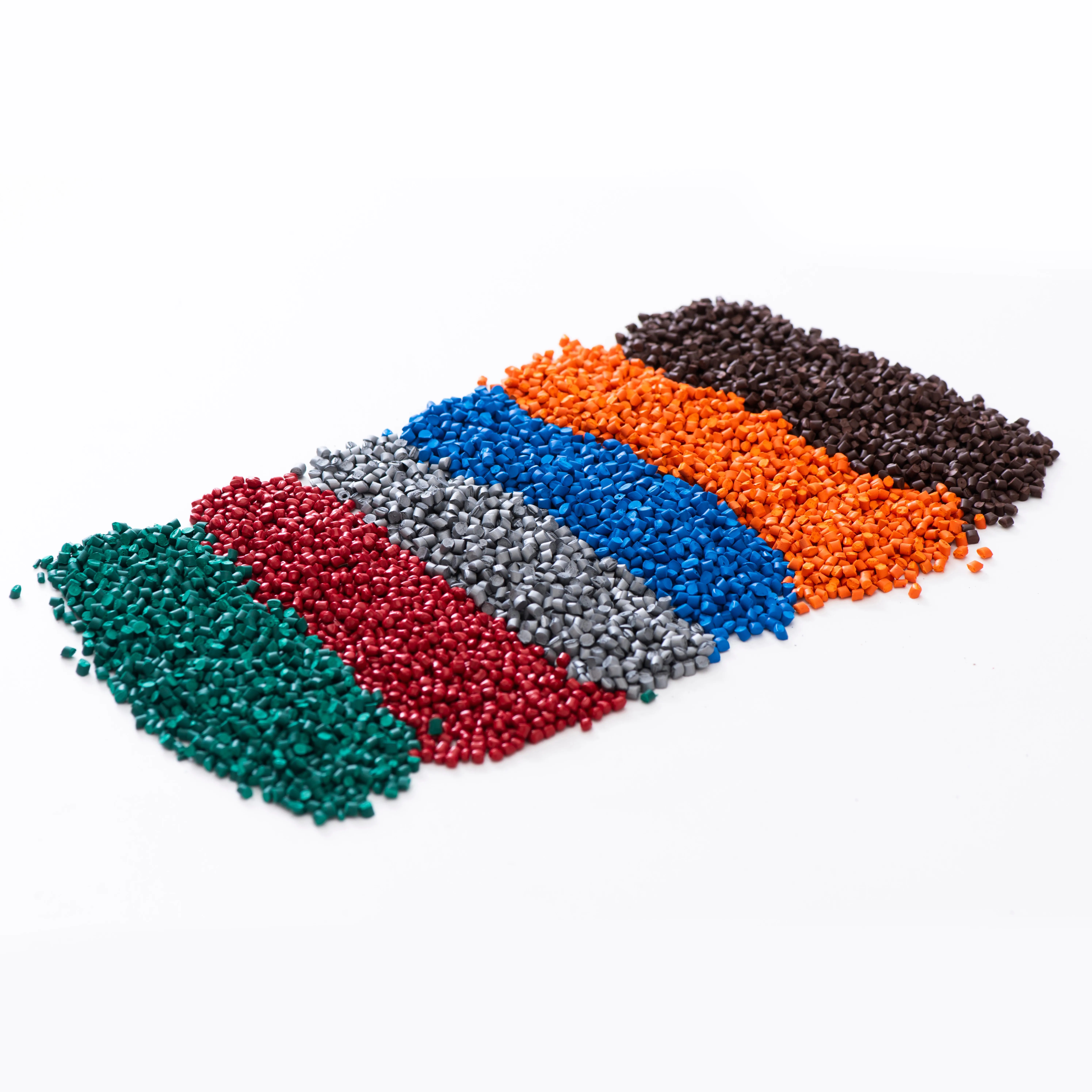
Many different types of products can be produced from the processed raw materials in the form of plastic granules. Plastic is strong and tough and this is one of the factors that makes it so favored. They know that plastic products do not break or damage easily, and they stay in their original state for a long time. This strength is what makes plastic so suitable for the production of critical items such as car components, medical equipment, and electronic devices.
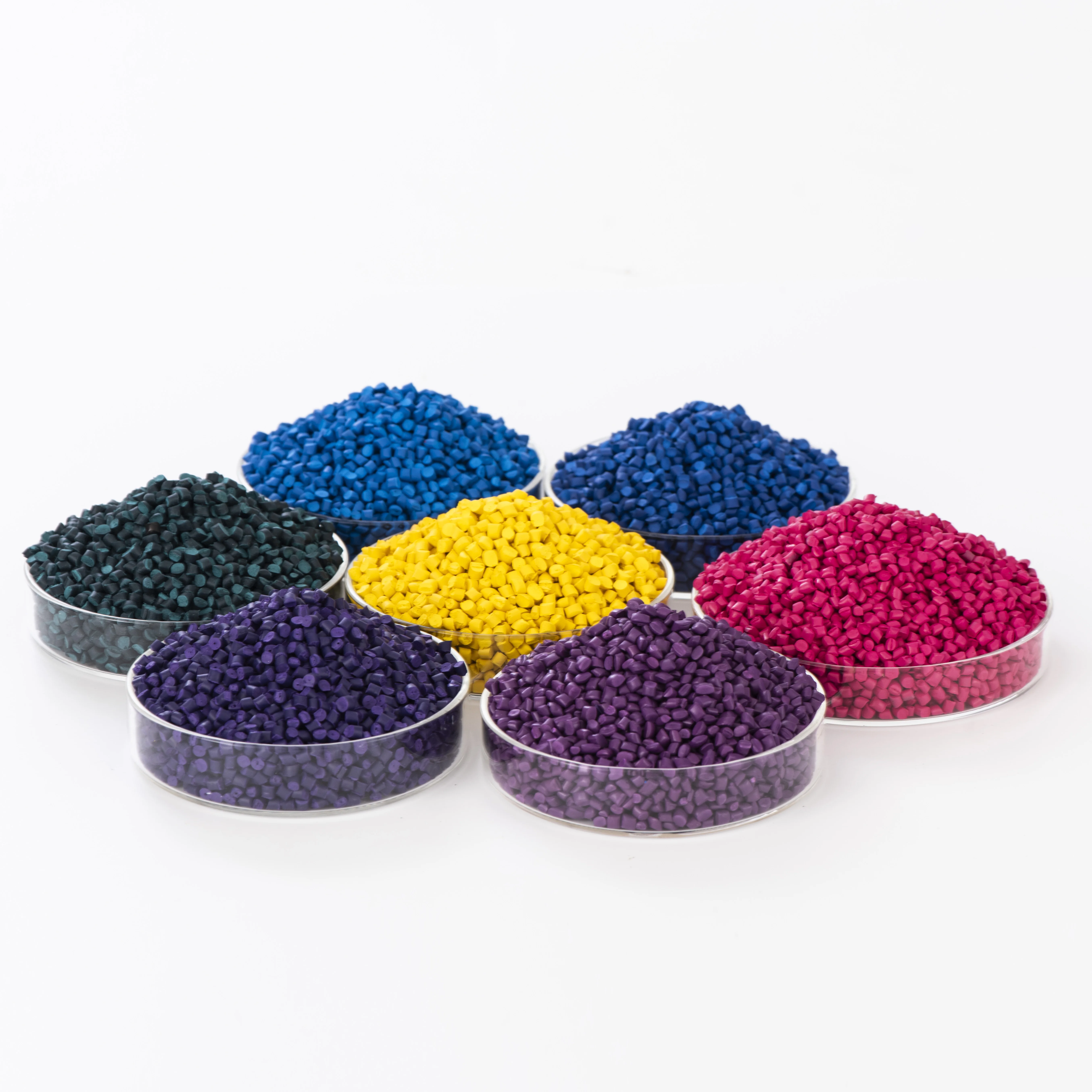
How many shapes, how many sizes of plastic you can actually see in this world is really amazing. That’s why manufacturers can offer so many different products to serve people’s needs. From the water bottle you’re drinking from to the credit cards in your wallet, plastic is literally everywhere in our lives, and one of the reasons its a great choice for an application is due to its ability to last, and last, and last.

Copyright © Yuezheng Plastic Color Masterbatch (Dongguan) Co., Ltd. All Rights Reserved
 EN
EN