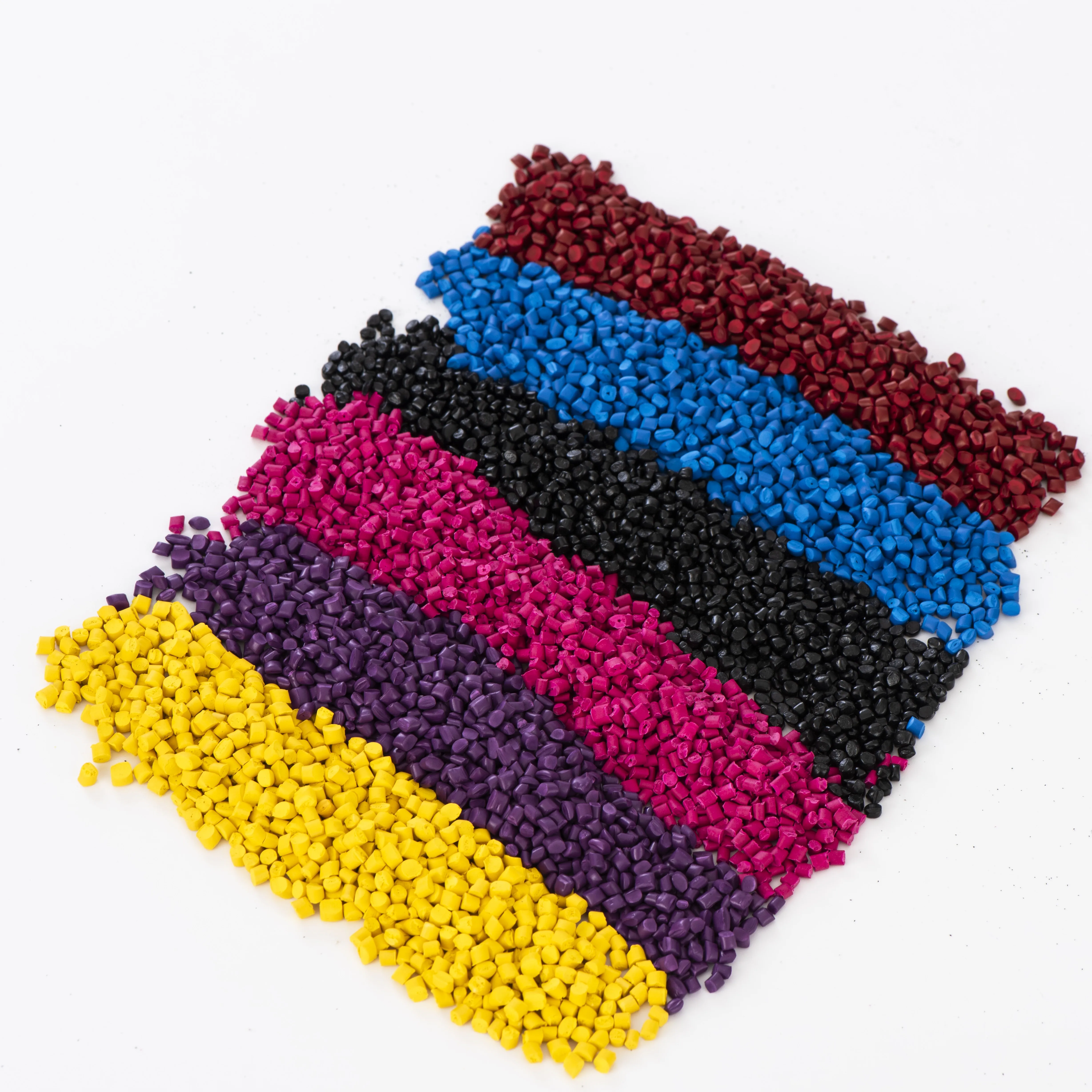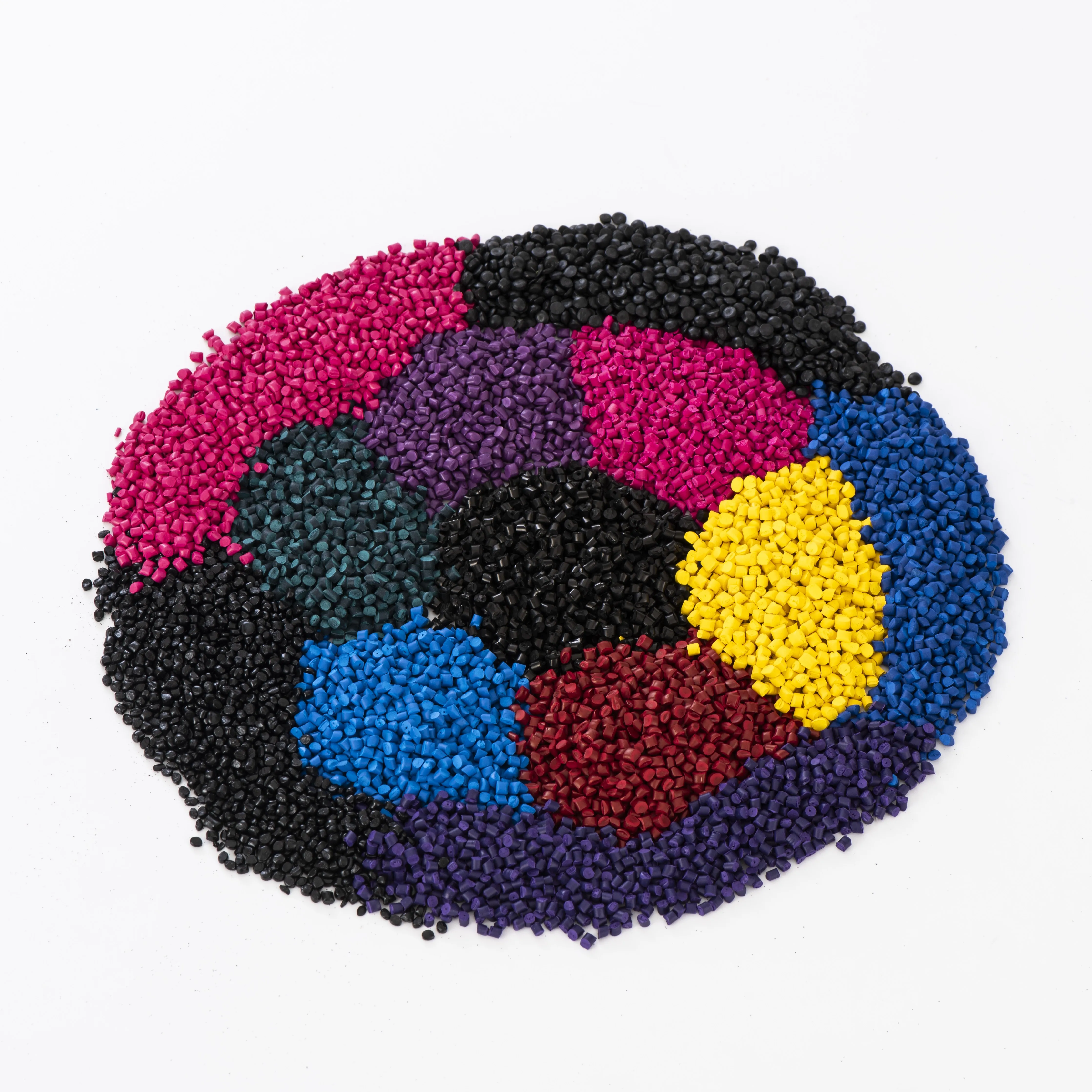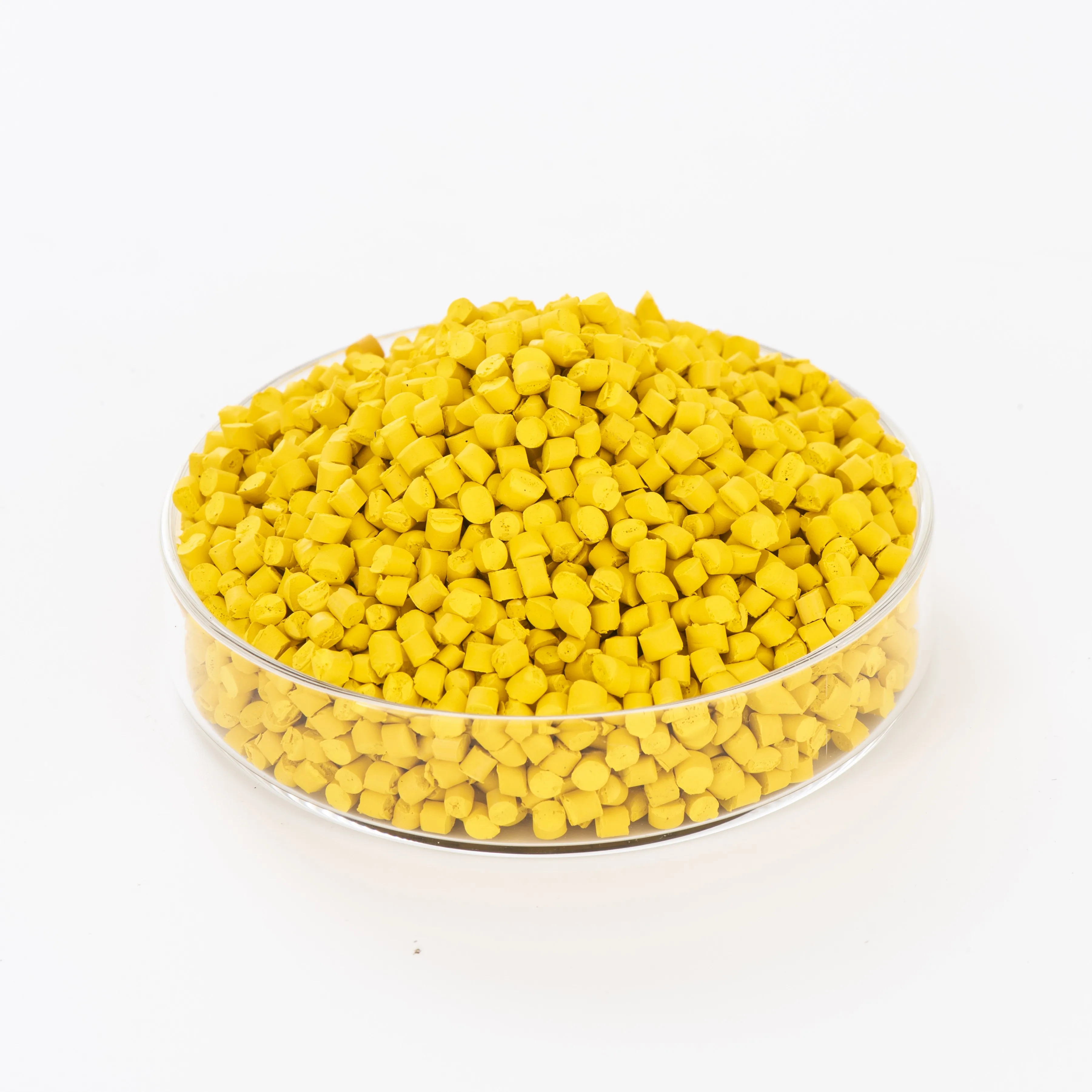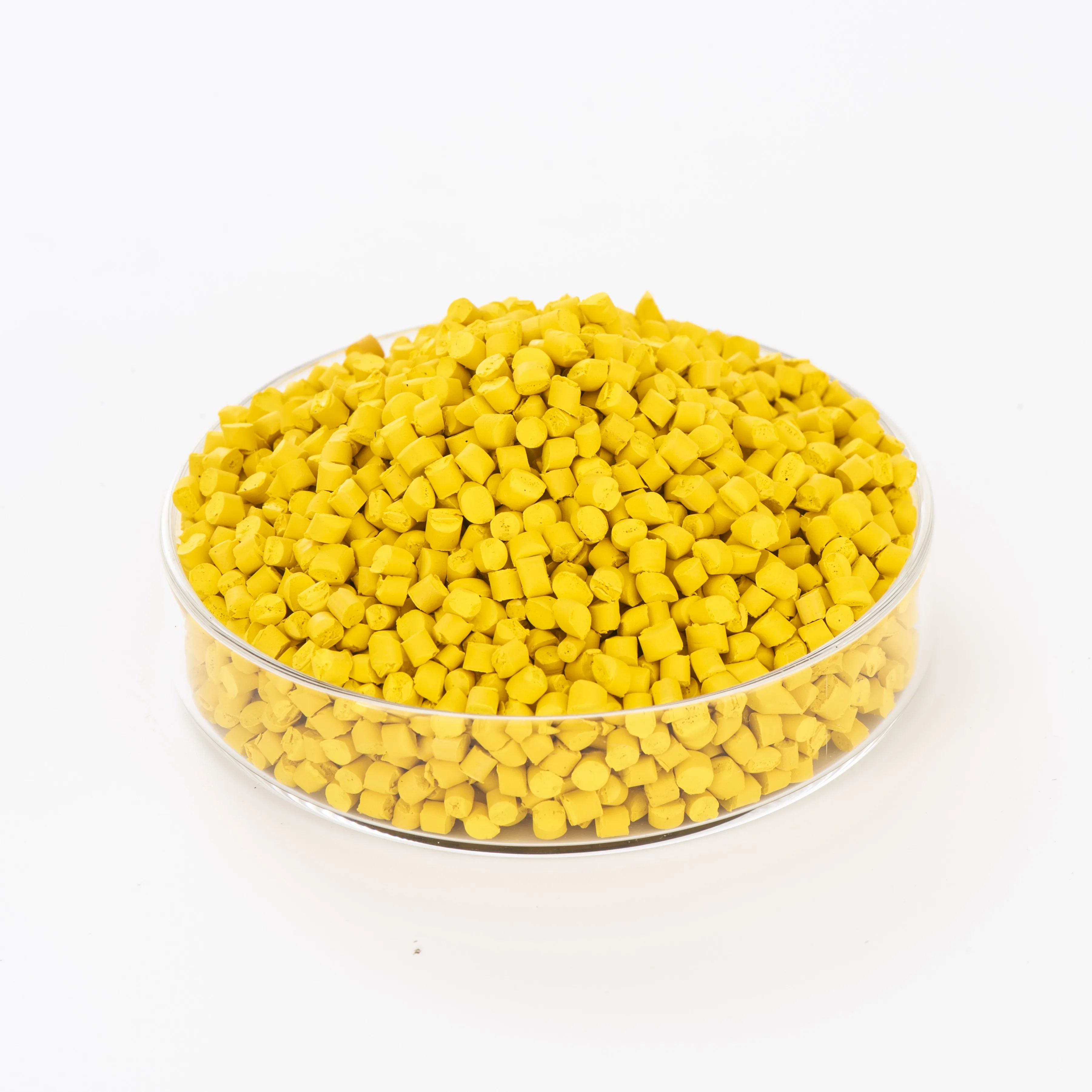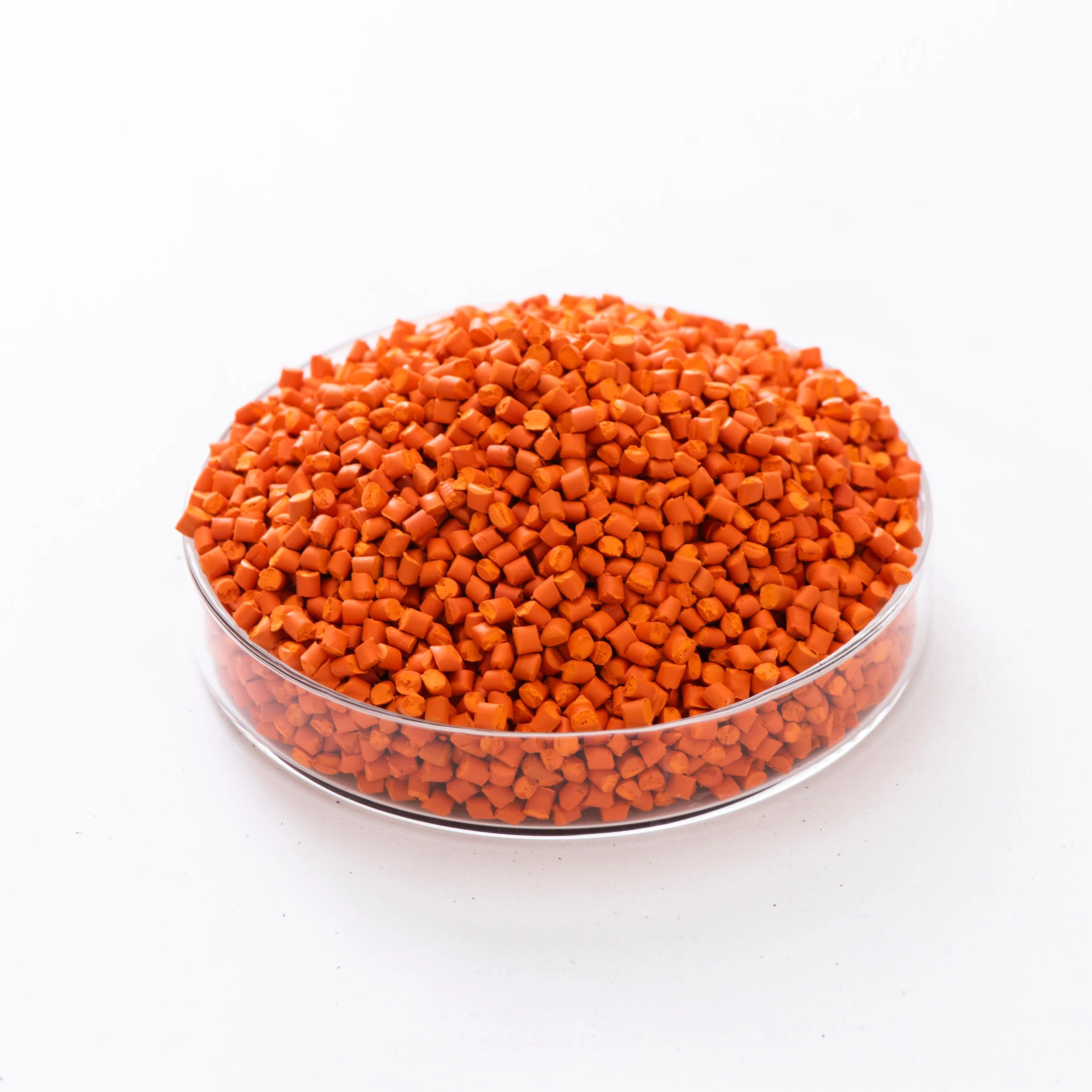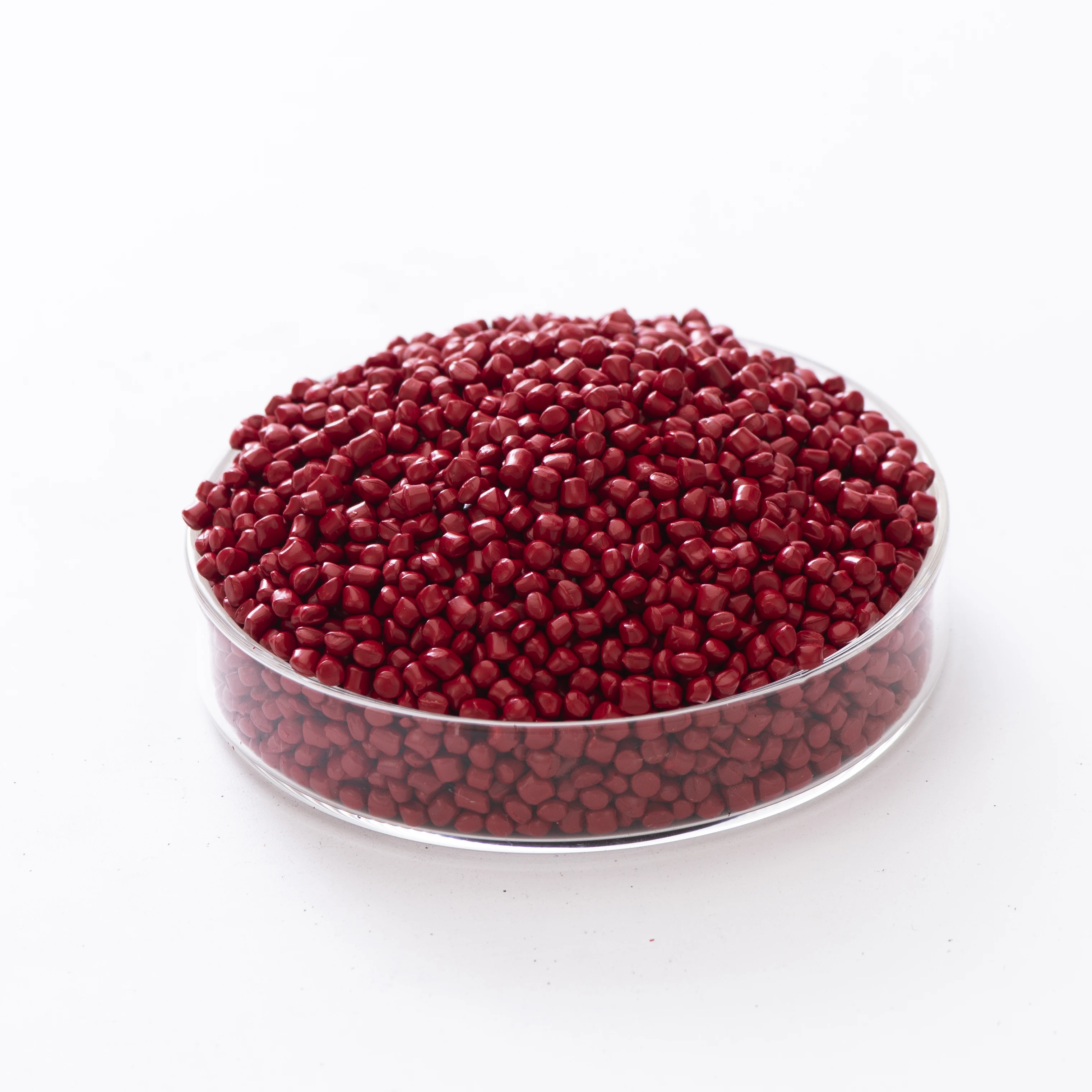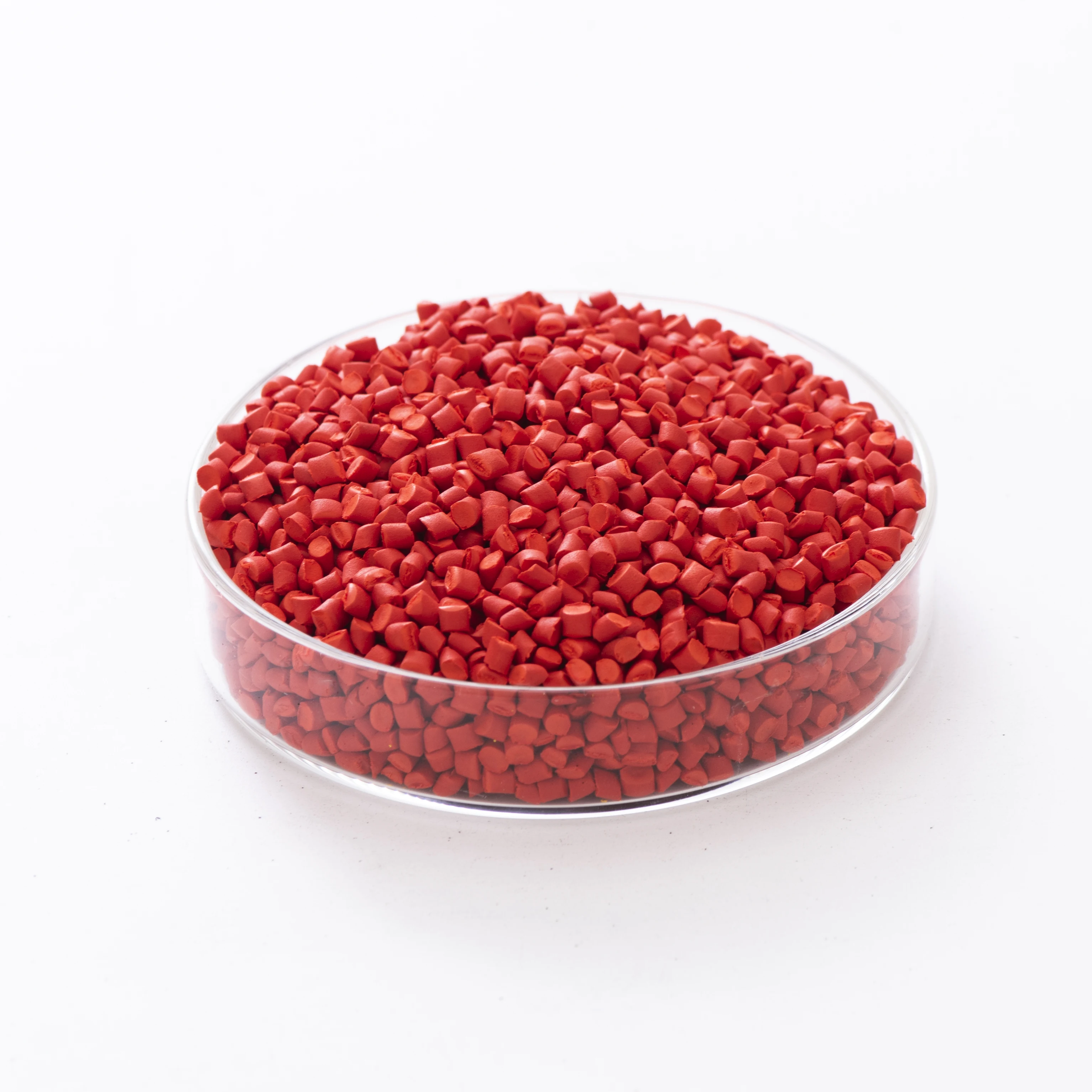
A company called Yuezheng manufactures a lot of plastic bags we find at stores and food markets lately. They produce bags on which they use a wide variety of different types of plastic materials, known as resins. That material is called resin which gives plastics their strength and functionality. They use the most common types of resins such as polyethylene, polypropylene, PVC, nylon, and so on. Different types of resin have unique characteristics that make them suitable for specific classes of bags.
The most common resin used to make plastic bags is polyethylene. It's incredibly strong, lightweight and can bend easily without breaking. Ideal for that bag we take with us on a daily basis and always to the market. Should we add in polypropylene too? That's another very commonly used resin, as it's very tough and stable at high temperatures. This makes it an excellent choice for bags that will be carrying hot items or bags that will be exposed to heat. Polyvinyl chloride (PVC) is used to make clear bags. These bags are transparent, meaning you can easily see what's inside. This is great for packaging different items where you want people to see what’s inside. Solid plastic, nylon, is designed to create very strong bags that load things like equipment and tools It is durable and resistant to wear and tear.
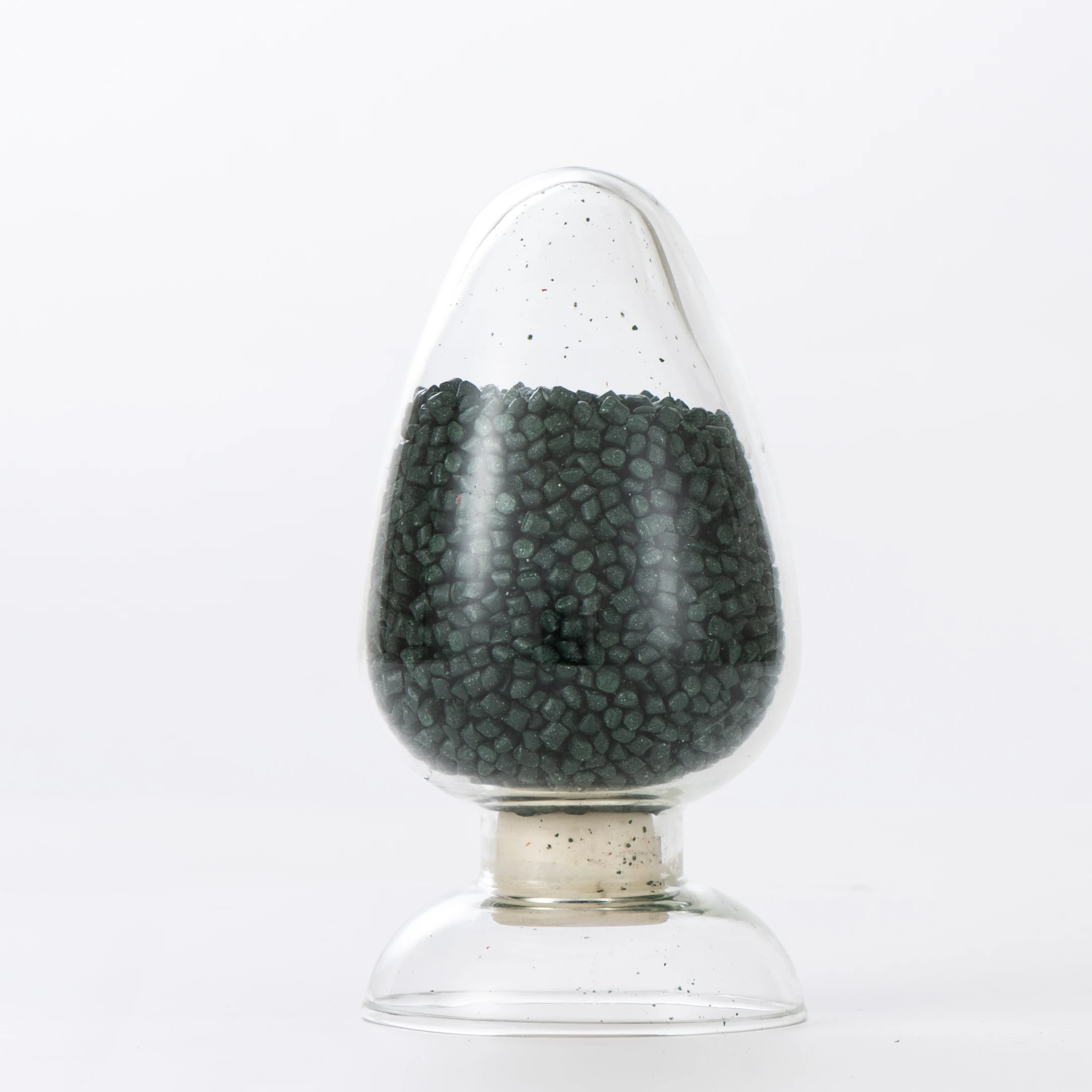
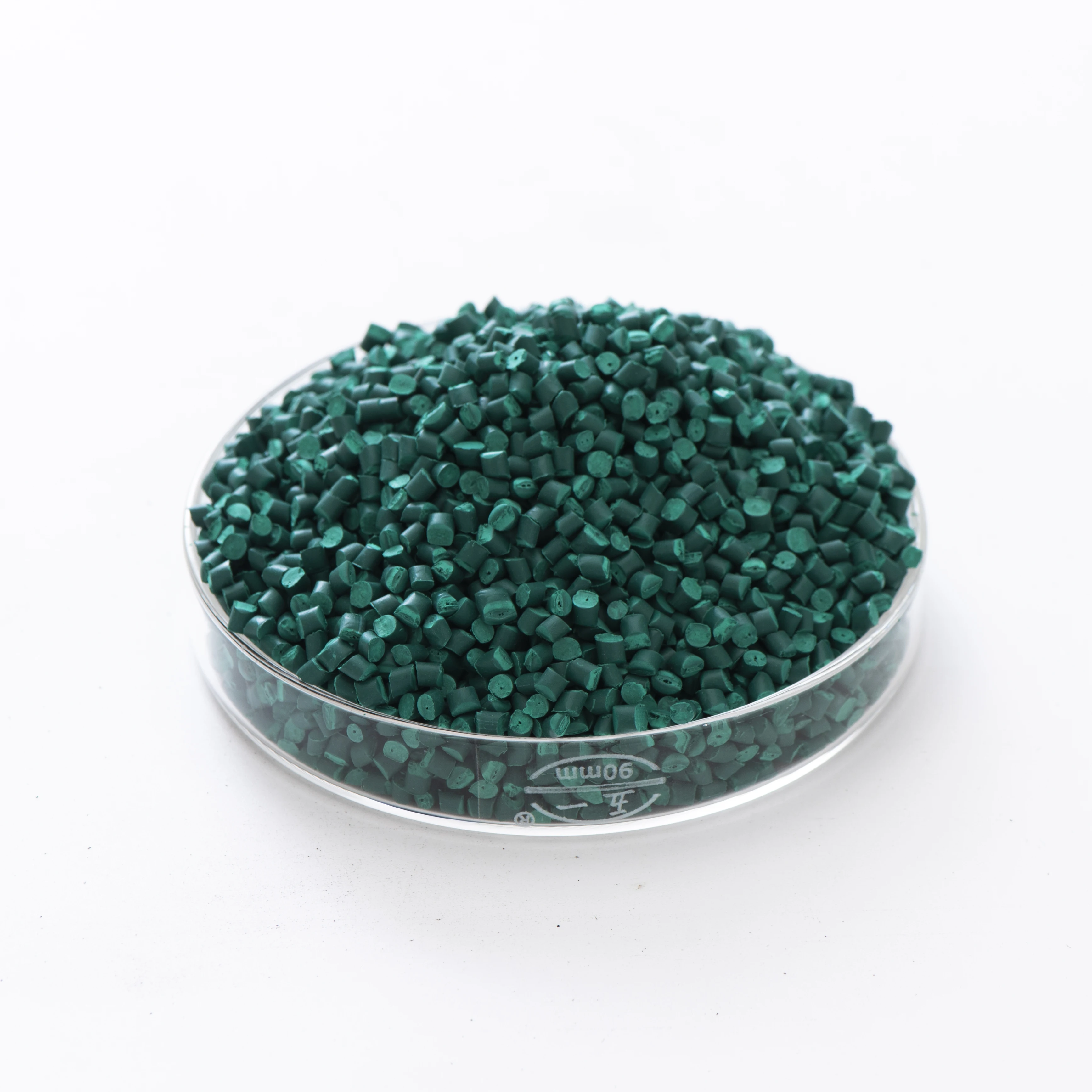
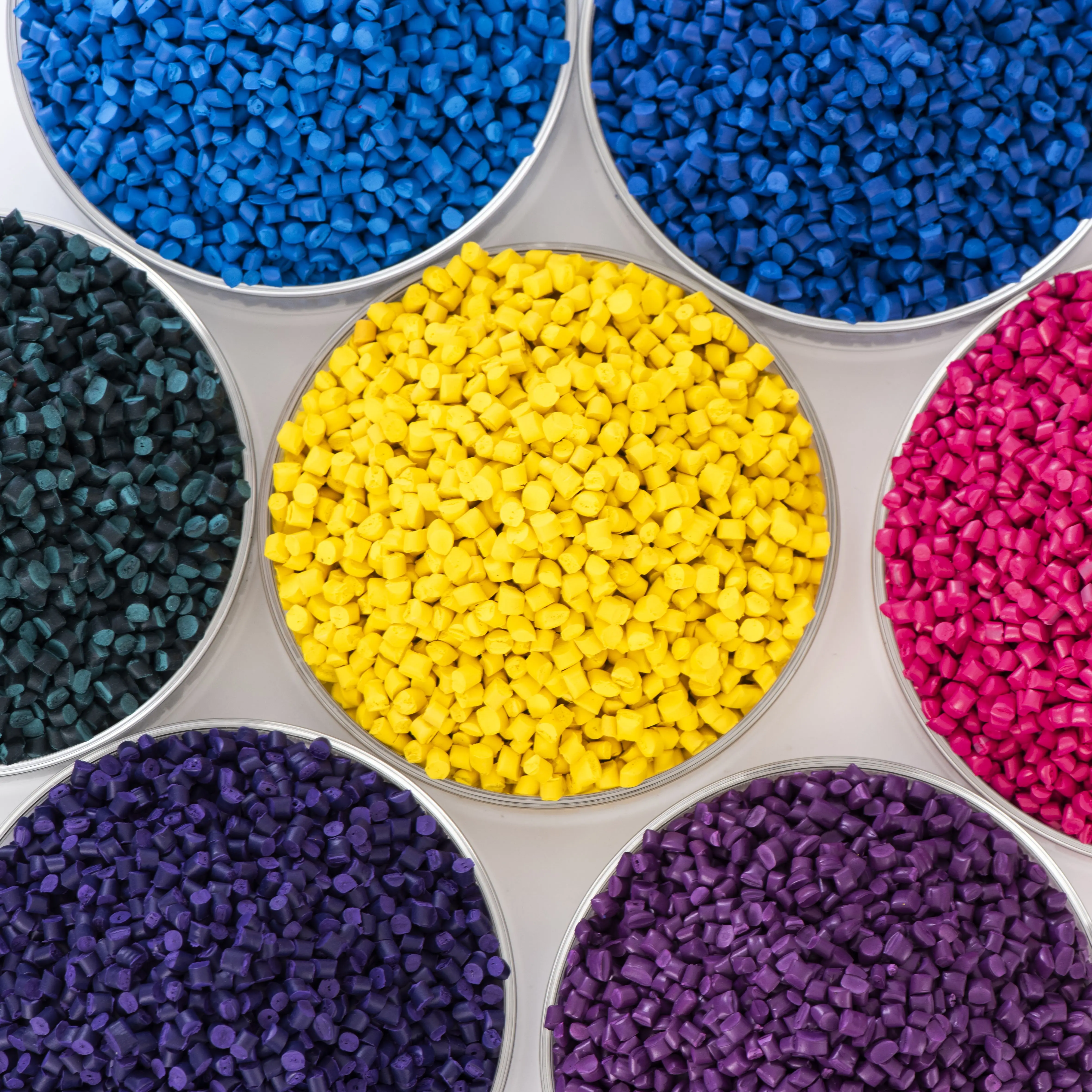
LDPE pellets are soft and flexible. They are easier to work with with a lower melting point than high-density pellets. That makes them melt with a lower melting point, so they can be used to make lightweight bags. These work well for groceries or light items since they are easy to carry and store. Conversely, high-density polyethylene pellets are more durable, stronger, and have a higher melting point. These materials are for creating heavy bags which you can fit heavier items without tearing. (Many of these bags are used in construction or to carry heavy goods.)
To enhance the durability and reliability of plastic bags, Yuezheng blends additional materials known as additives into the polyethylene pellets. Such additives help enhance their strength and durability. They help to ensure the bags do not tear, shred or break apart easily, and make the bags resilient to sunlight, and heat, and moisture, which are all key factors considering these may be bags used outside.
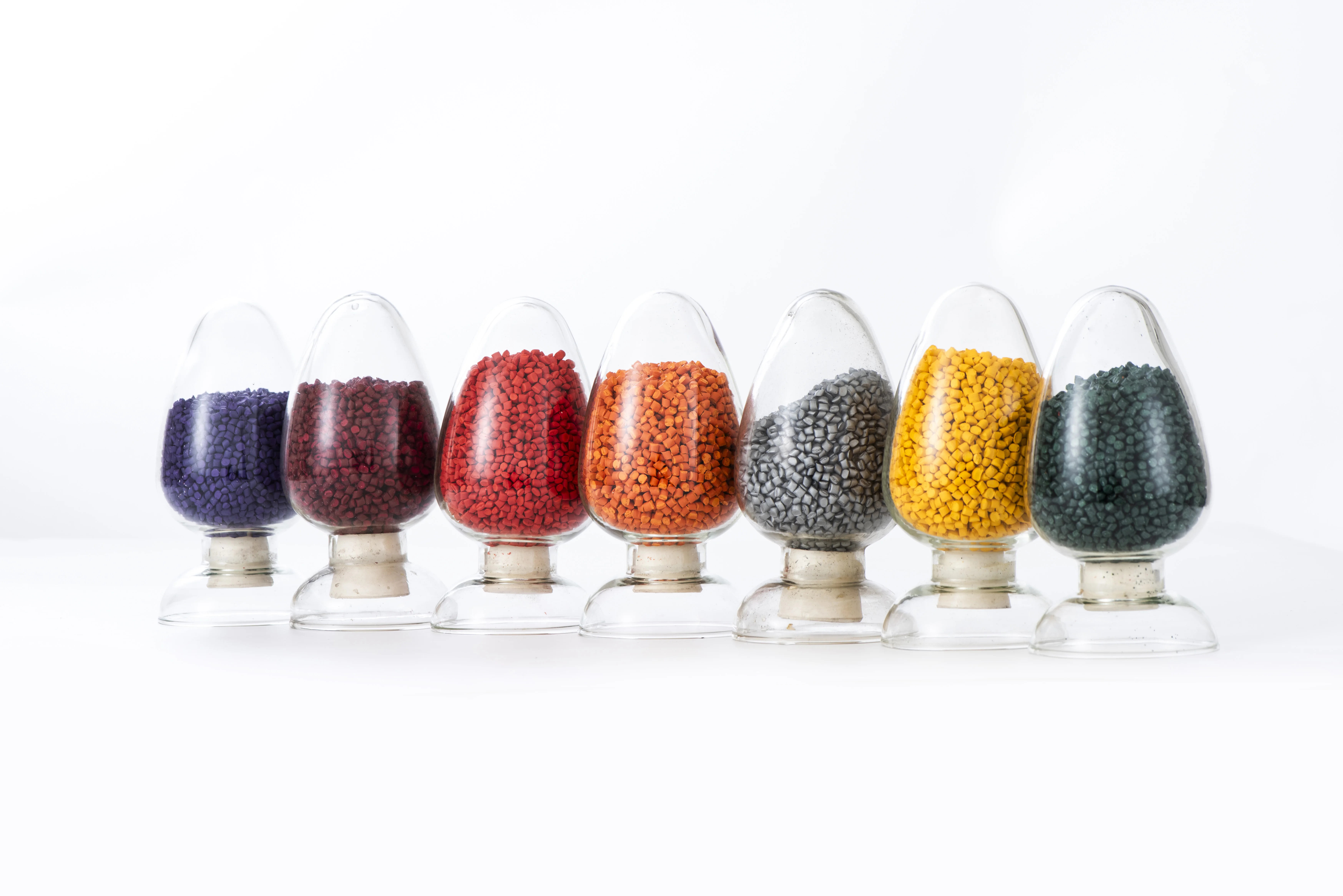
A few of the many additives Yuezheng commonly uses are slip agents, anti-block agents, and UV stabilizers. Slip agents are added to the pellets to minimize friction between plastic layers in the bag. It makes it easier to open and close the bags instead of sticking together. Anti-block agents are added so that the bags do not stick together, particularly when they are piled one on top of another. That helps prevent the bags from wrapping around one another, and lets you pull things out — and put them back into — each bag without much fuss. UV stabilizers are also mixed into the bags so they do not break down in the sunlight. It also helps the bags keep longer, especially if they’re being used outside.

Virgin material is generally more durable than recycled plastic and thus the first choice for more applications. But it is also costlier to make. Recycled plastic, on the other hand, is less expensive and reduces waste, which is better for the environment. However, while recycled plastic may not always be as durable or strong as new plastic, it makes a big difference when it comes to saving natural resources and lowering our impact on the planet. By using recycled materials, this protects the environment by limiting plastic waste in landfills.
That the extrusion process is influenced by several parameters such as plastic temperature, velocity, and die design. By engaging in the careful modulation of these features, Yuezheng can guarantee that they will manufacture high-grade plastic bags with strength, durability, and reliability. This attention is significant in making bags that fits to the demand of the clients and safely carry various kinds of things.
Copyright © Yuezheng Plastic Color Masterbatch (Dongguan) Co., Ltd. All Rights Reserved
 EN
EN