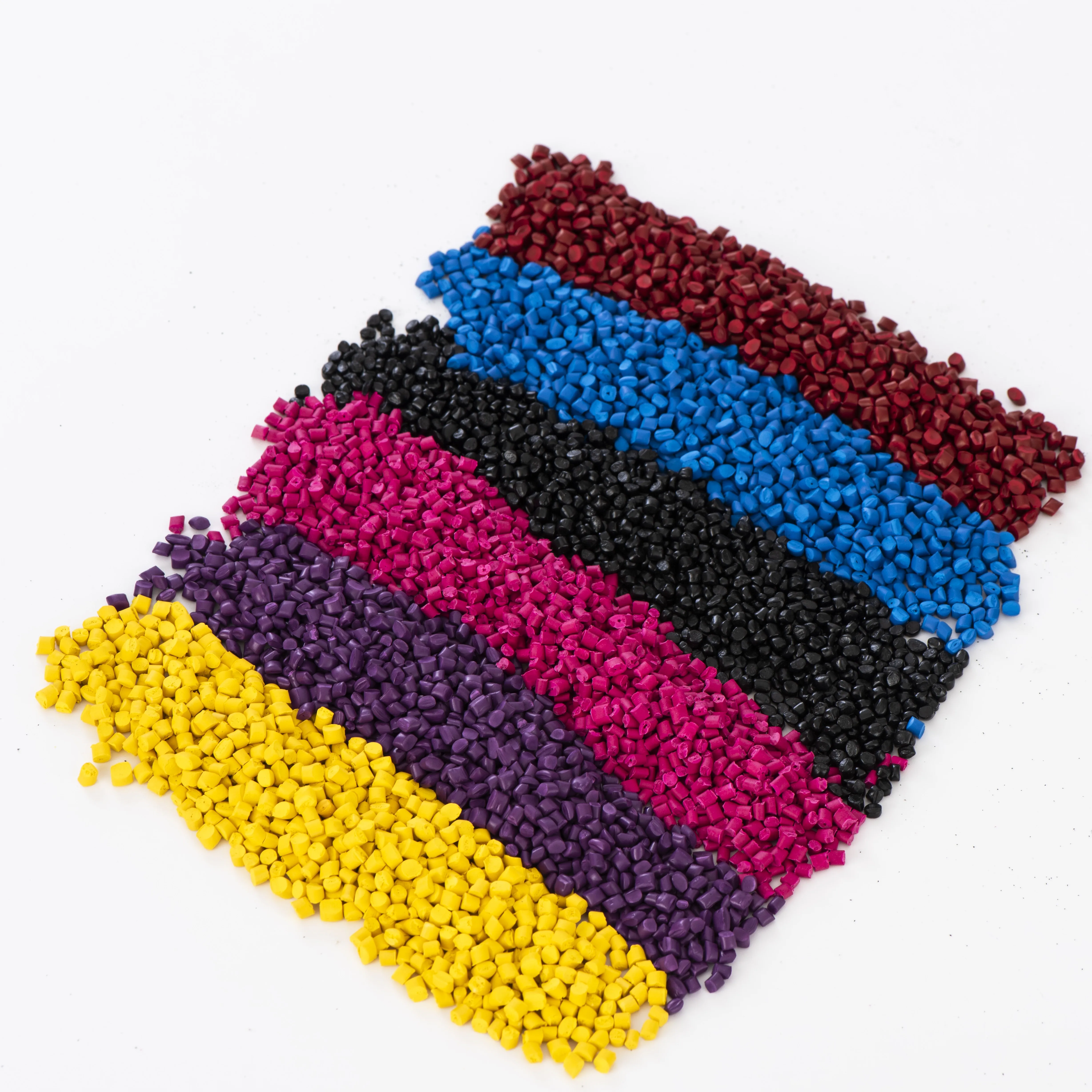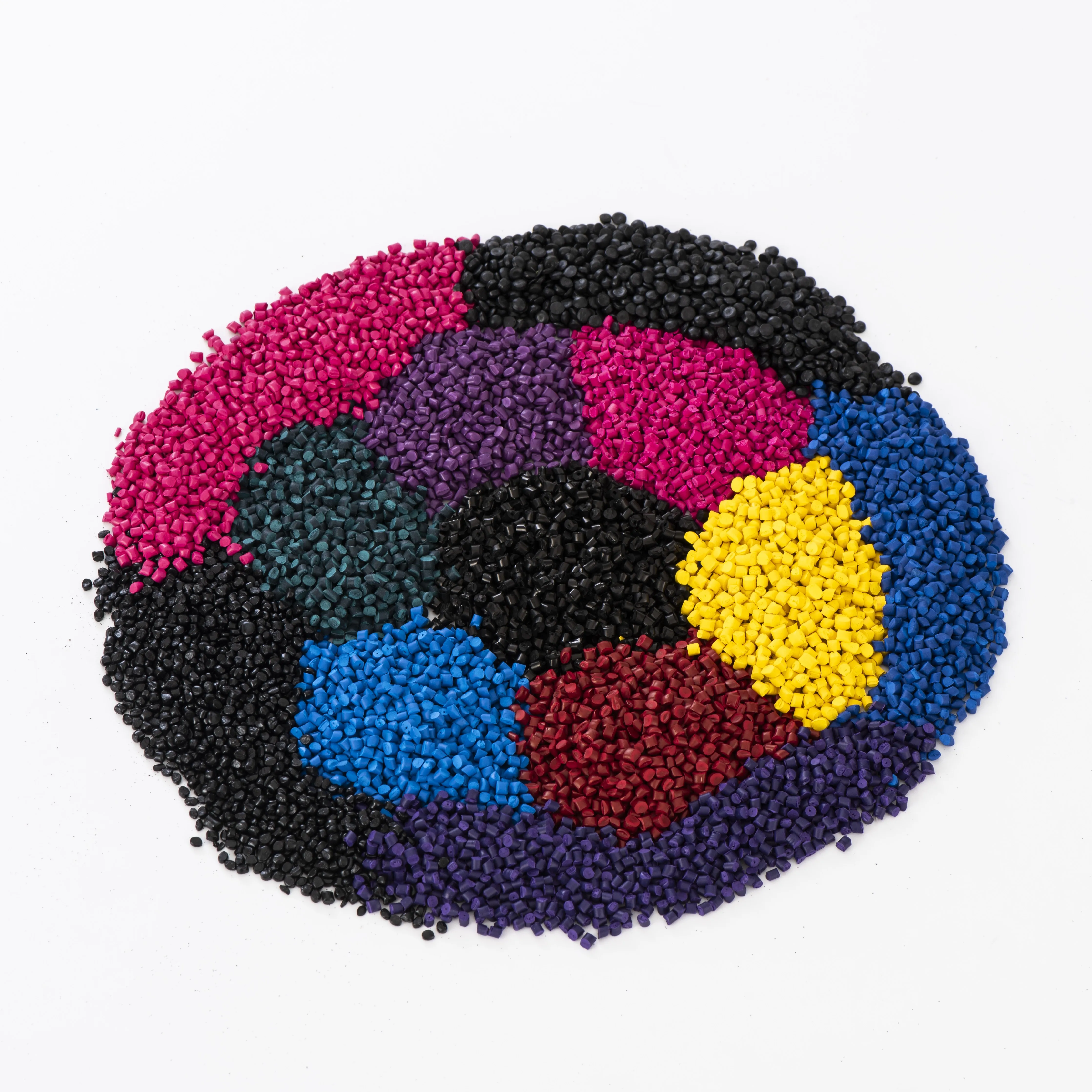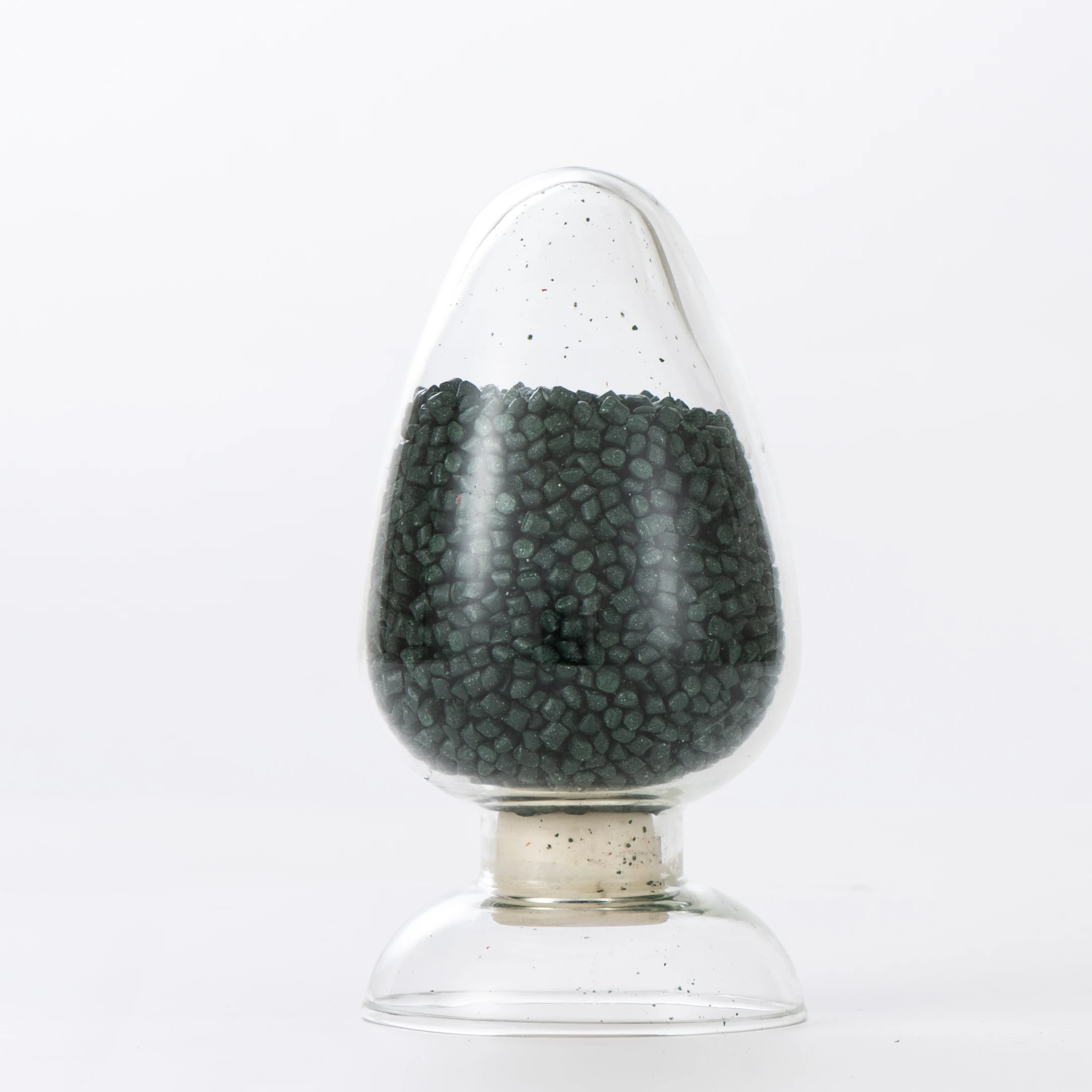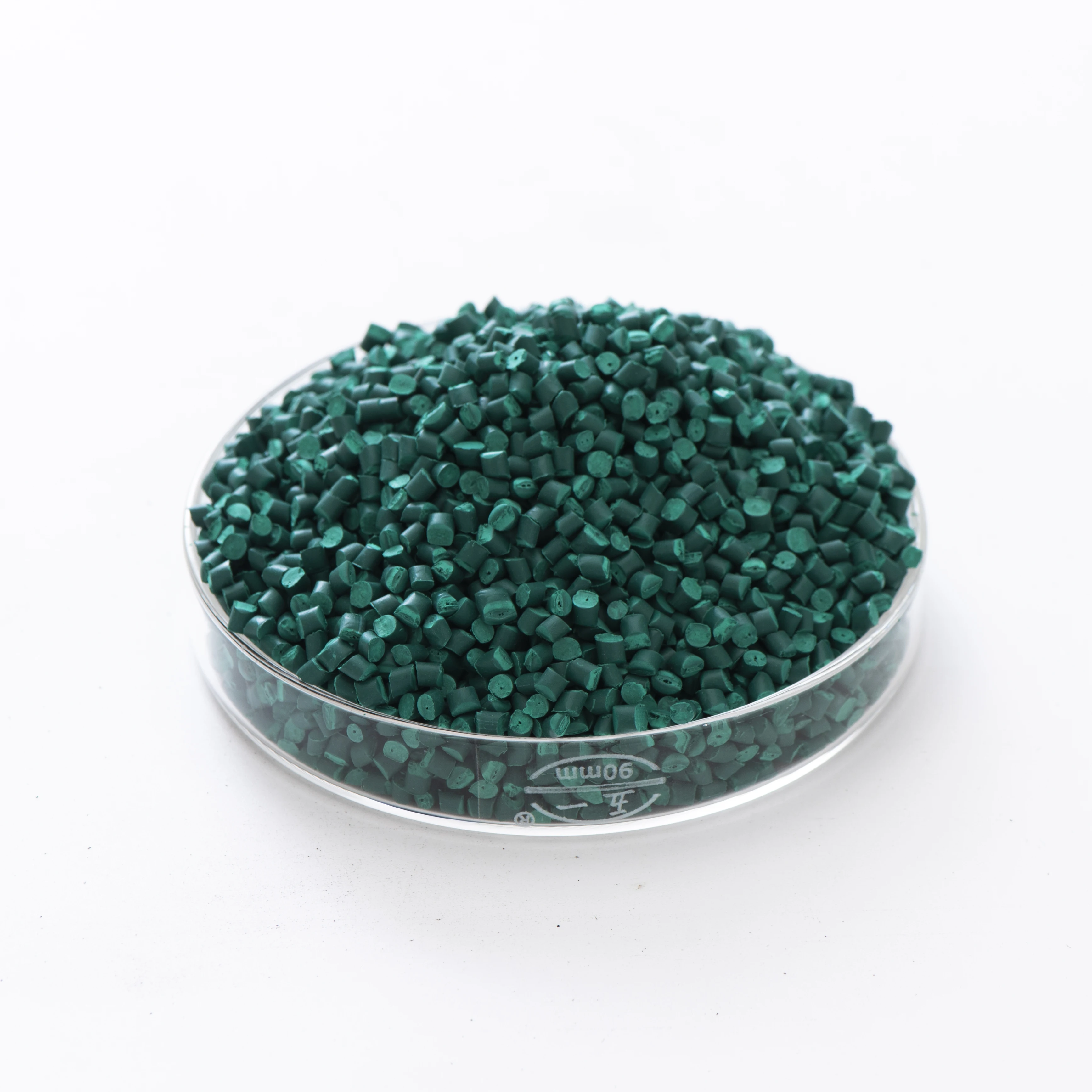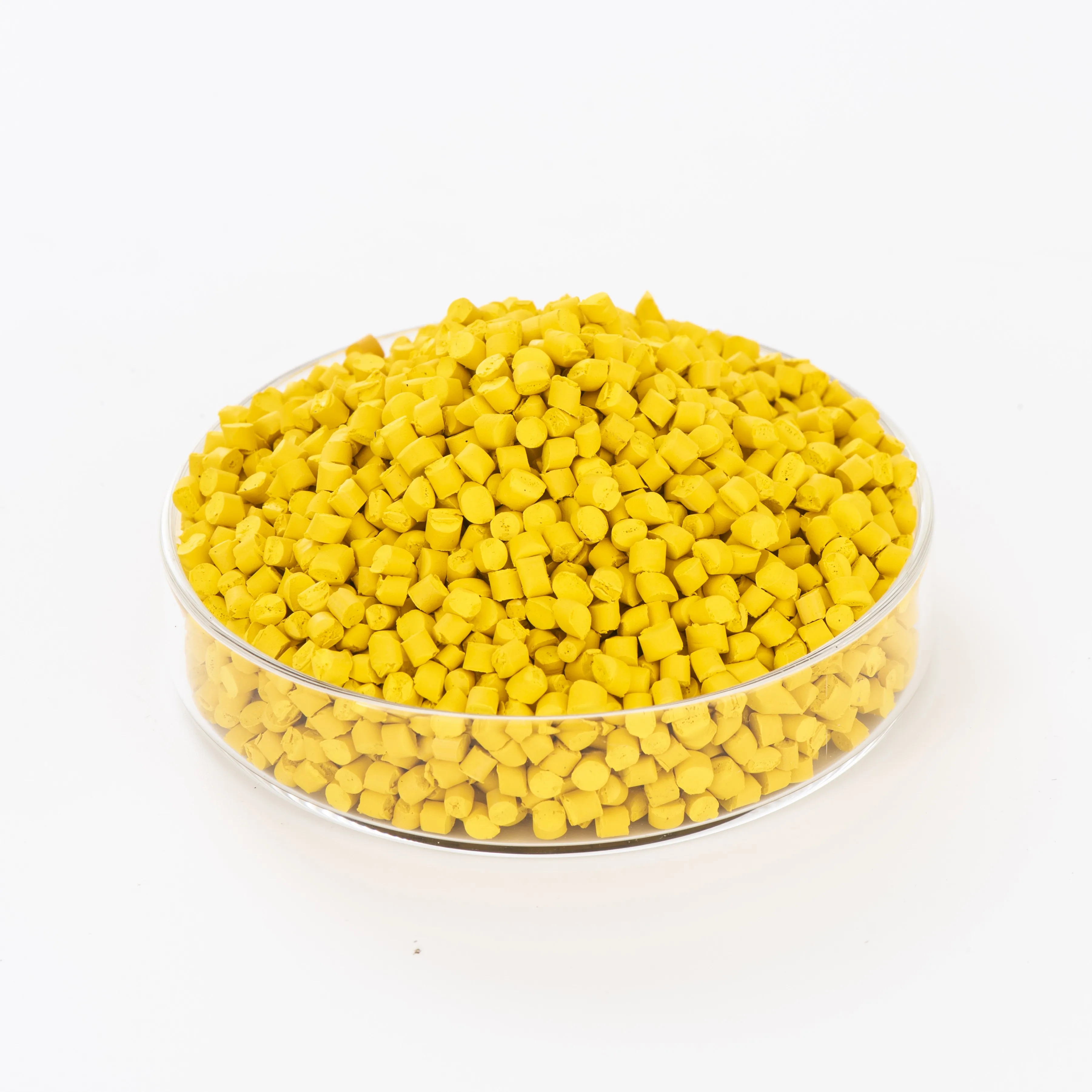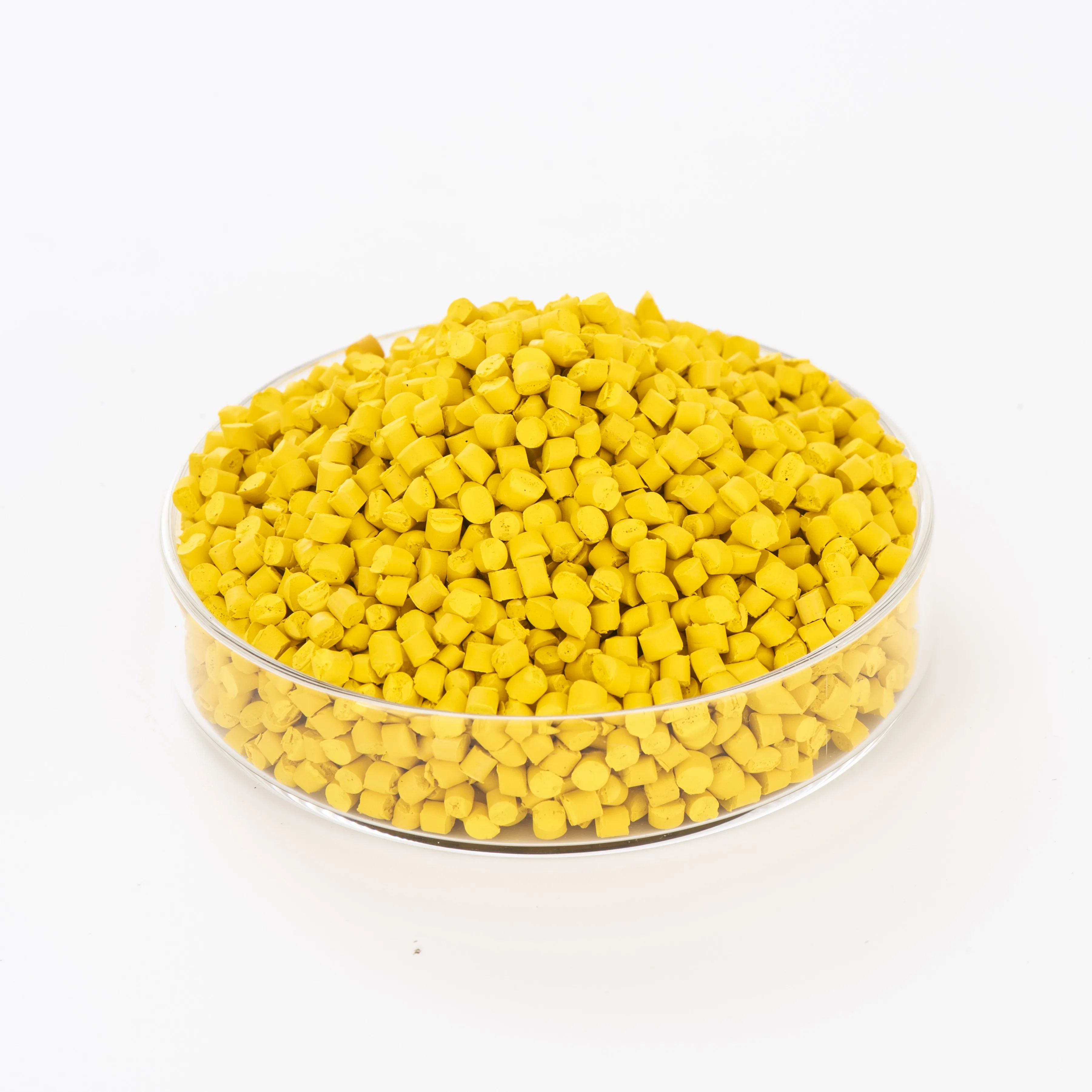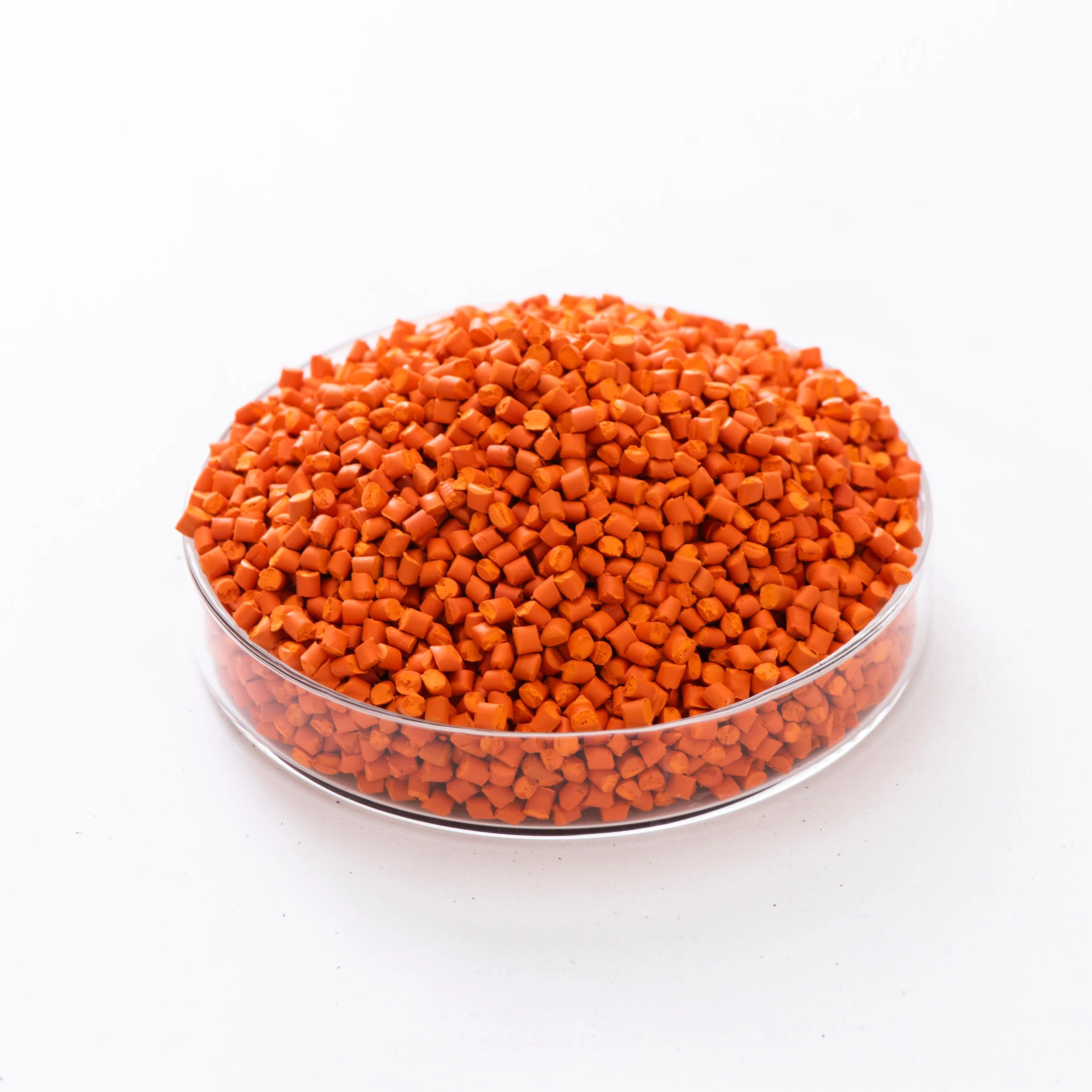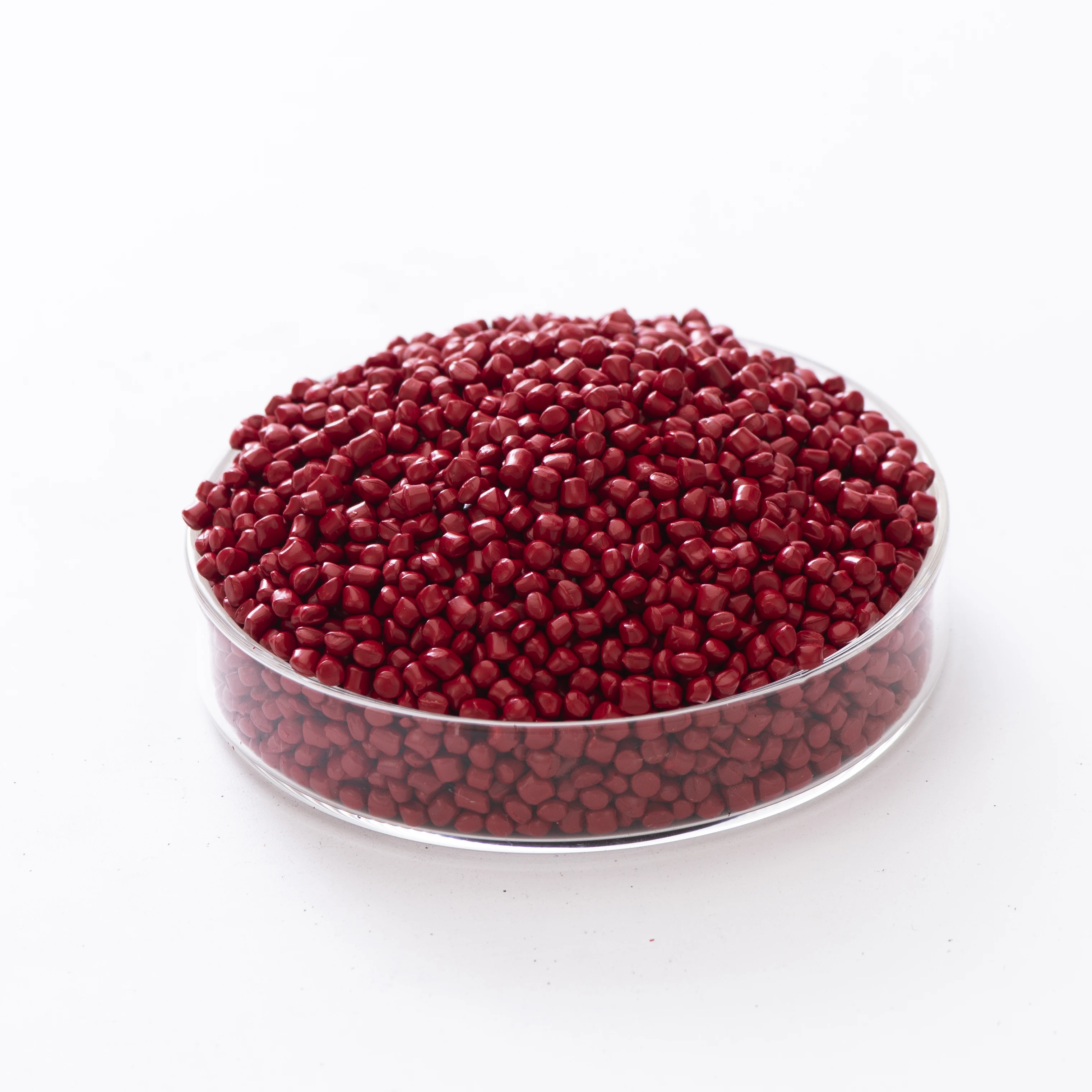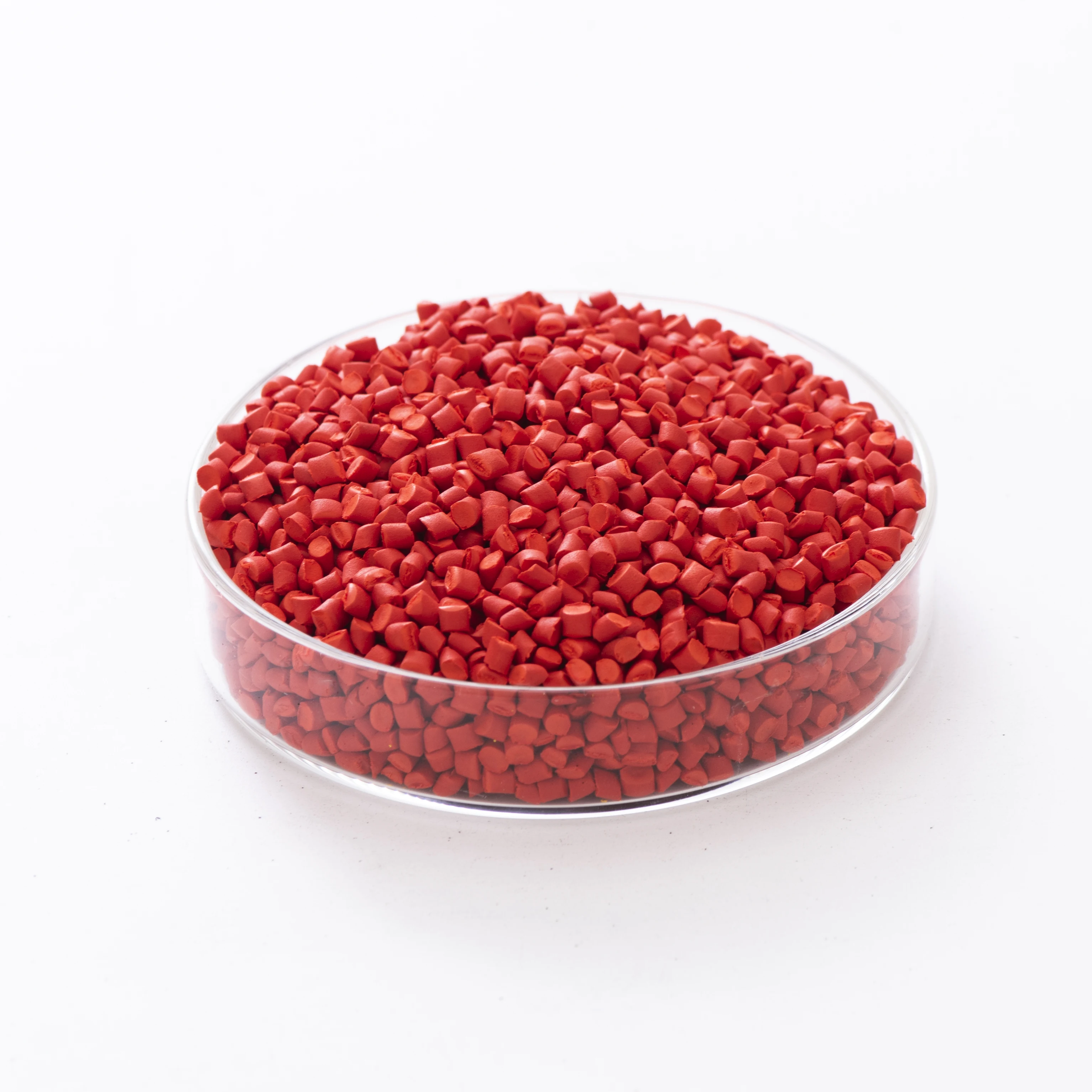
Plastic is a special material composed of long chains of tiny building blocks called molecules. These individually linked molecules create a flexible and strong material. Plastic is easy to make into all sorts of shapes, so people are avoid of them, and that is why plastic is so useful for a large range of products. Plastic is everywhere: in children’s toys, in food packaging that keeps our snacks fresh, in chips of cars that make them run. Plastic is lightweight, flexible, resilient, and therefore fantastic for a number of industries. For these reasons, plastic is found in areas that are designed to make our existence easier and with more amenities.
Plastics have a few advantages over other materials that make them attractive. One of the best things about it is that it cheap to make, meaning that it is not very costly. It may also be recycled, a process that allows us to use old plastic to create new products. That saves both resources and energy. In addition, plastic is easy to work with and is available in all manner of shapes and sizes. But, there are also some negative things about plastic that need to be considered. Plastic takes hundreds of years — yes, you read that right — to break down in nature. It takes a very long time to degrade, so when we throw it away, it can remain in landfills or the environment for many years. Plastic can also damage the world around us. When plastic enters the ocean, it can be harmful to sea creatures, such as turtles and fish, that may confuse it with food. Another major issue with plastic is that it is manufactured using finite resources such as oil and gas. That means as long as we continue to produce more plastic, we must continue to consume these precious resources.
Regular plastic is widespread, but it's creating several issues, and that is why people are looking for better alternatives that are eco-friendly. One material is bioplastic. Bioplastic is made from natural raw materials such as cornstarch, sugarcane, potato starch, etc. These biomaterials are derived from plants, making them more sustainable. For the earth and waste reduction may be a good thing, as bioplastics will break down naturally in the environment. Recycling plastic is another good option. Recycling is the process whereby we use recycled plastic to manufacture new products. This process reduces the amount of new plastic needed, and prevents more plastic from entering our world. Recycling can reduce plastic waste and save our ecology.

The production of plastic is a environmental nightmare. Making plastic requires resources that are depletable and can pollute land, air, and water. Plastic production leads to release of harmful gases polluting the air. Plastic waste is also a huge issue. This waste takes hundreds of years to disappear, posing a great danger to our planet. A lot of plastic ends up in our oceans and rivers, placing wildlife in dangerous situations and disrupting ecosystems.
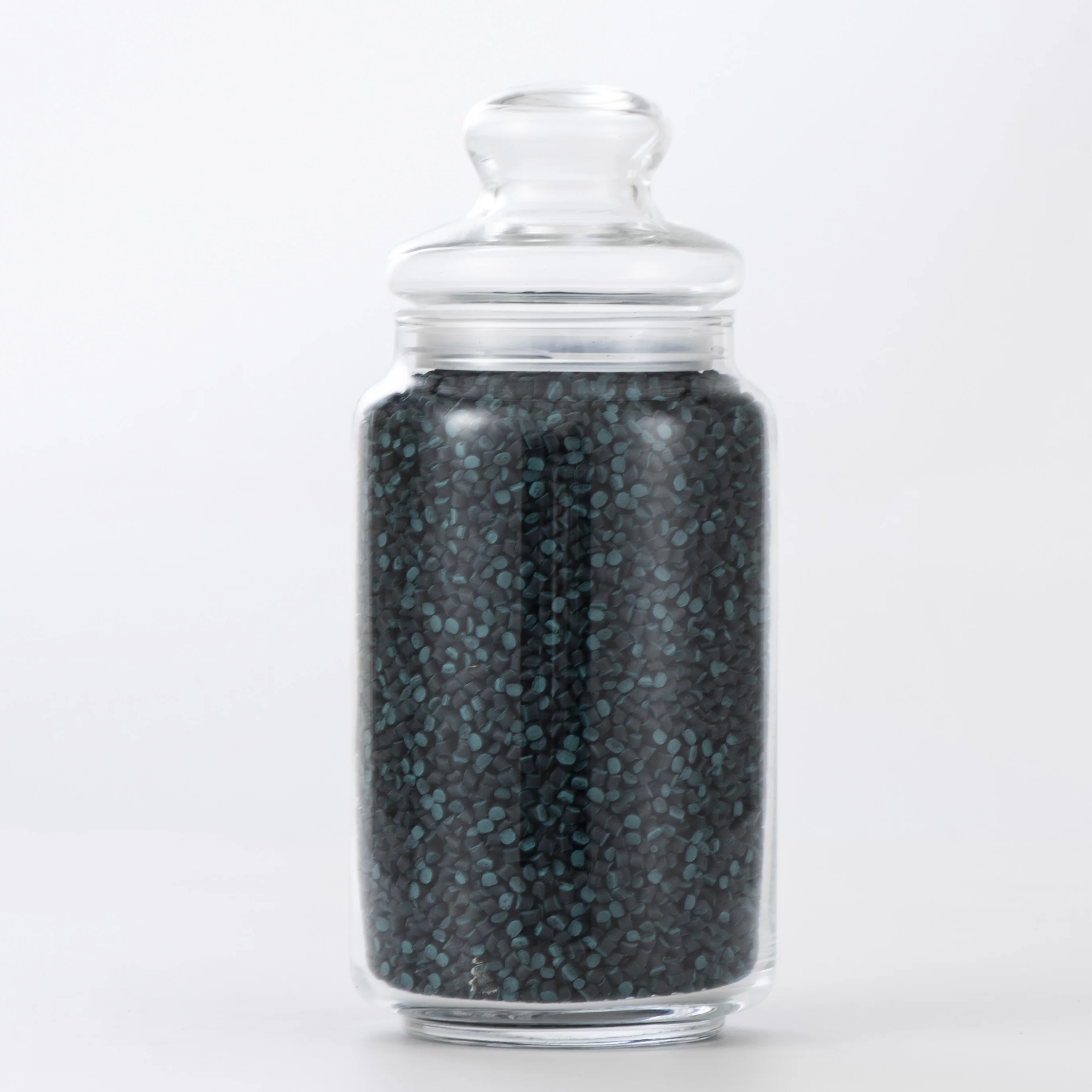
These new exciting solutions for recycling and reusing plastic are being made. The potentiallity in the fact that fact so many of us have failed through lack of imagination with regards to innovation as well as invention a case in point is 3D printing recycling plastic to create new objects. This technique uses melted plastic to build up layer by layer, enabling us to turn waste into functional products. Using plastic waste to build roads is another innovative idea. This reduction in plastic does not only help the environment, and it also makes the roads stronger and more durable, which is a helping factor in all world by taking better care of the people and roads that they use. Recycling plastic is key to minimizing waste and preserving the environment. It helps us turn something that would usually end up in the trash into something new.
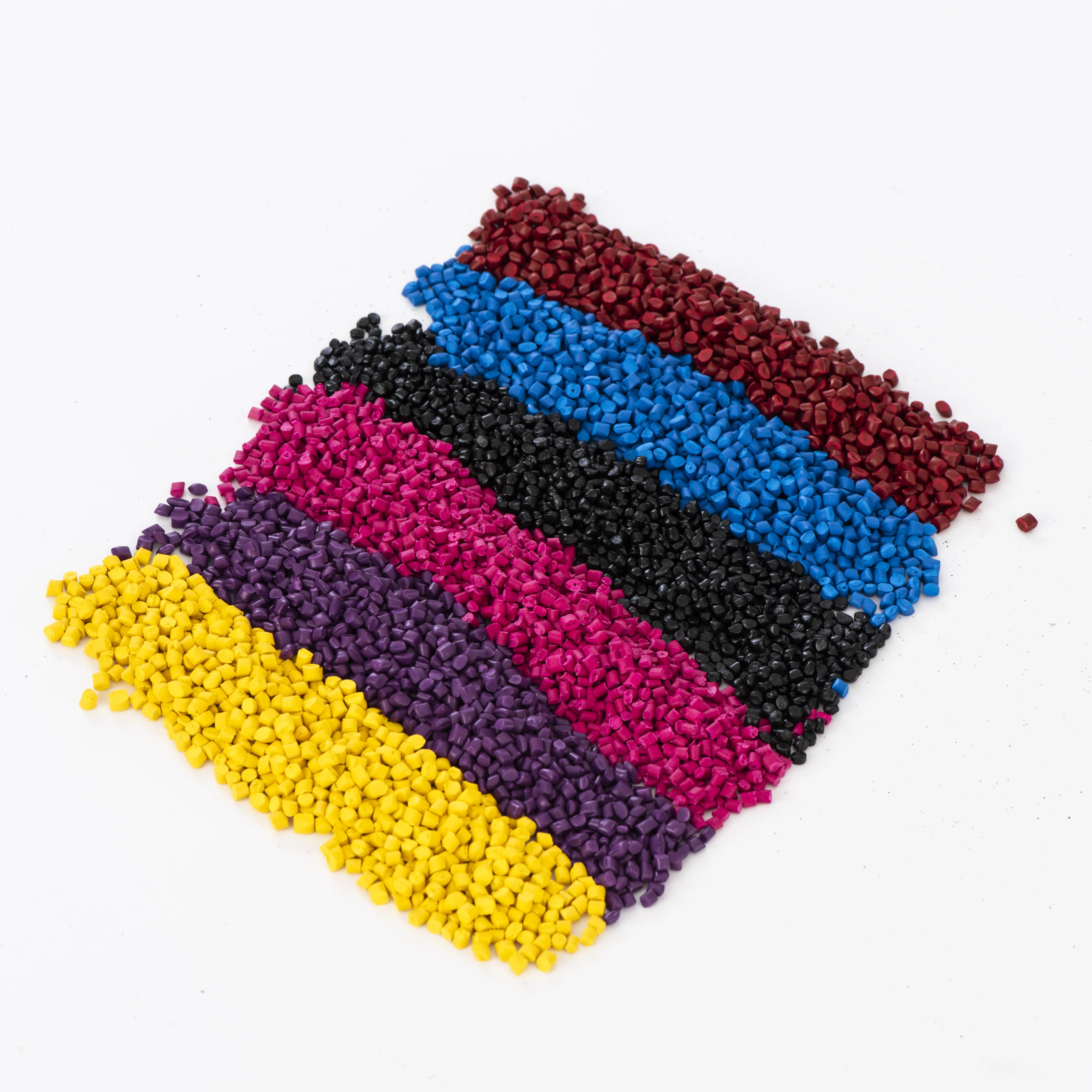
Yuezheng is a company that produces plastic products and is responsible. They want to produce plastic more sustainably and more environmentally friendly. Through smart materials and innovative production approaches, Yuezheng strives to mitigate the detrimental effects of plastic. They also promote recycling and reusing of plastic, helping keep our planet clean and safe for future generations. Through their work and dedication to responsible practices, they demonstrate how businesses can contribute to positive change.
Copyright © Yuezheng Plastic Color Masterbatch (Dongguan) Co., Ltd. All Rights Reserved
 EN
EN